a Museum of Dubious Splendors

a Museum of Dubious Splendors

Mostly Positive · 173 reviews

77% positive (134 / 173)

Screenshots

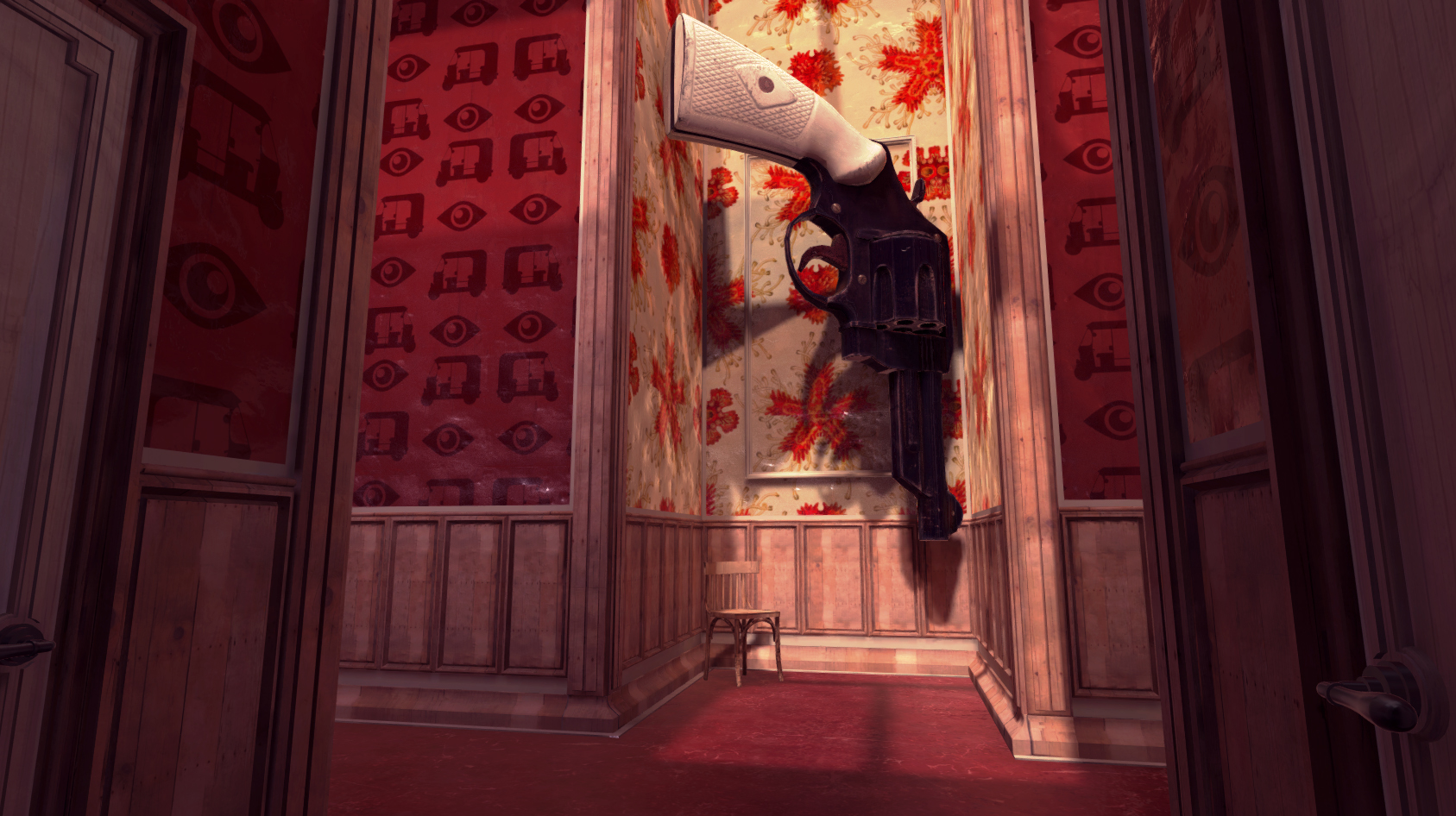
a Museum of Dubious Splendors screenshot 1
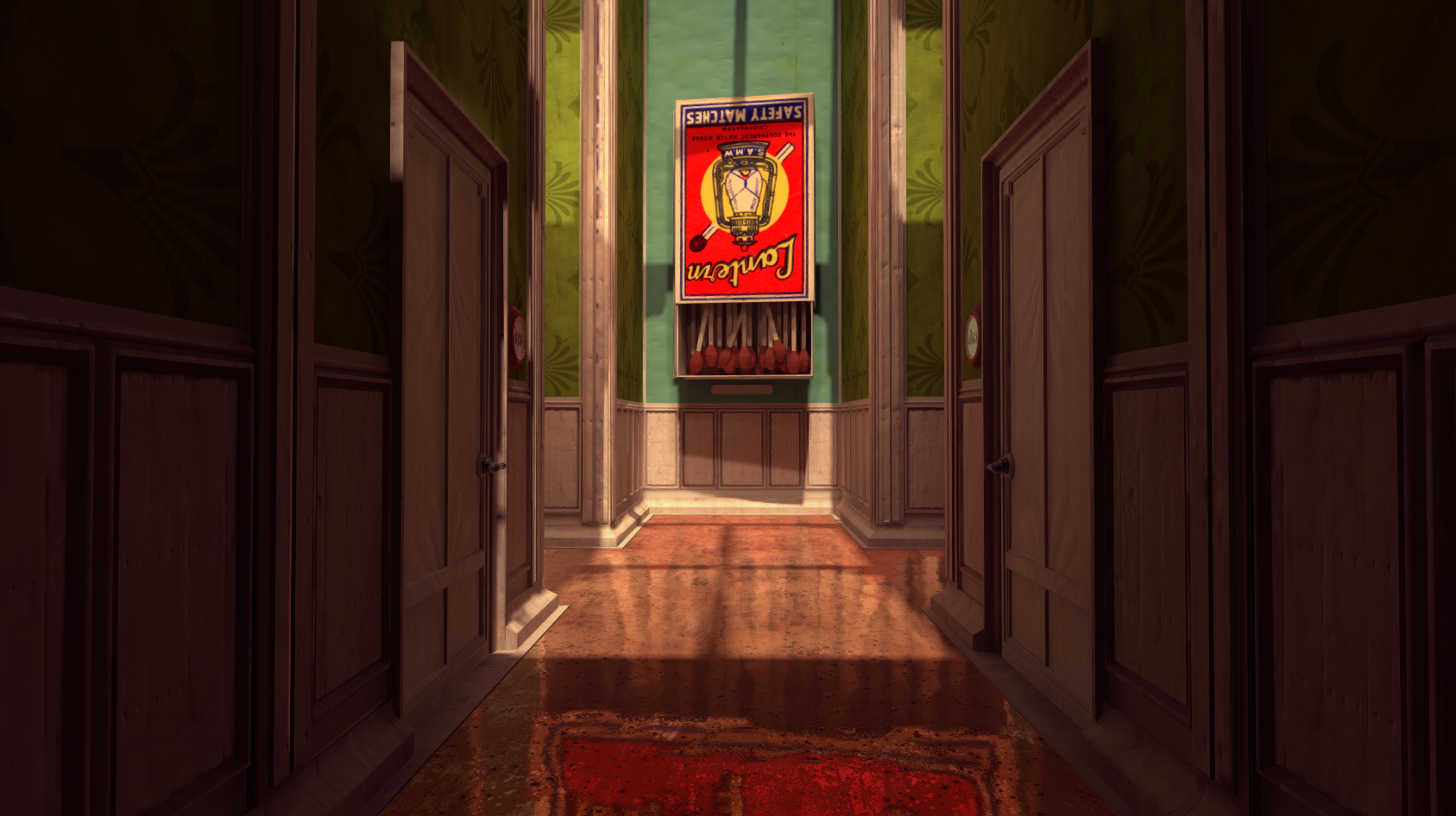
a Museum of Dubious Splendors screenshot 2
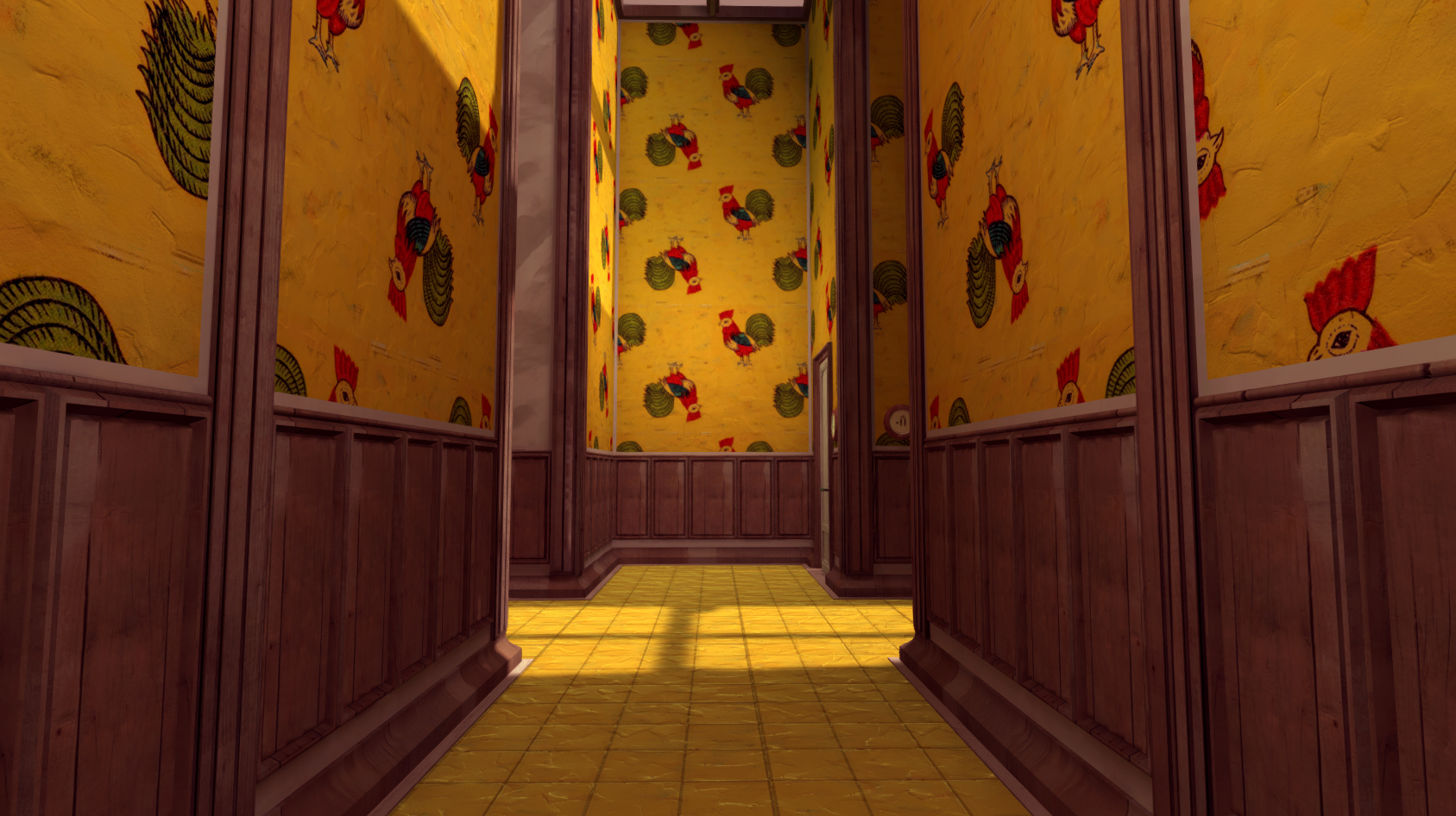
a Museum of Dubious Splendors screenshot 3
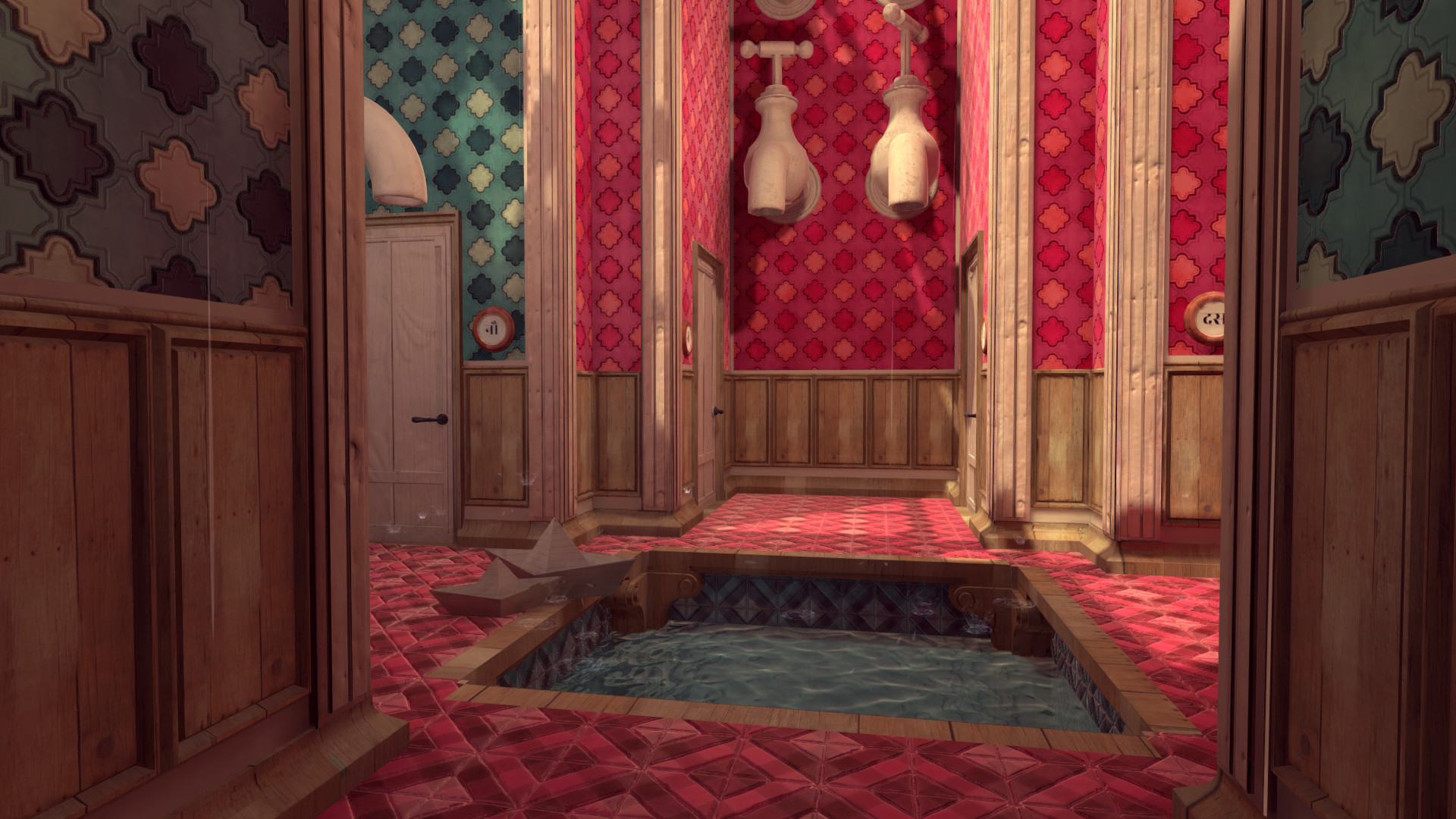
a Museum of Dubious Splendors screenshot 4
a Museum of Dubious Splendors screenshot 5
a Museum of Dubious Splendors screenshot 6
a Museum of Dubious Splendors screenshot 7
a Museum of Dubious Splendors screenshot 8
a Museum of Dubious Splendors screenshot 9
a Museum of Dubious Splendors screenshot 10
a Museum of Dubious Splendors screenshot 11
a Museum of Dubious Splendors screenshot 12
a Museum of Dubious Splendors screenshot 13
a Museum of Dubious Splendors screenshot 14
a Museum of Dubious Splendors screenshot 15
a Museum of Dubious Splendors screenshot 16

Description

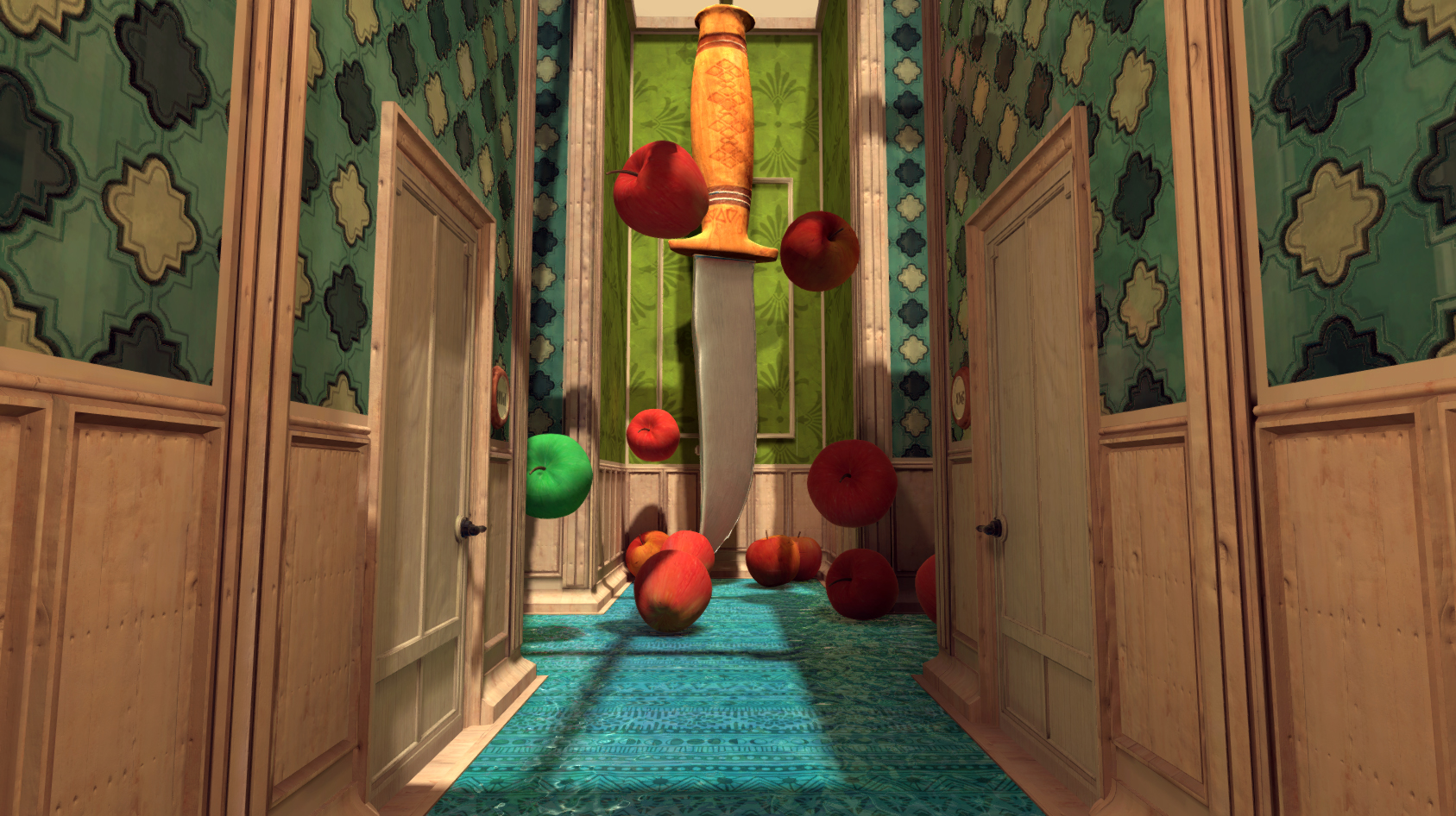
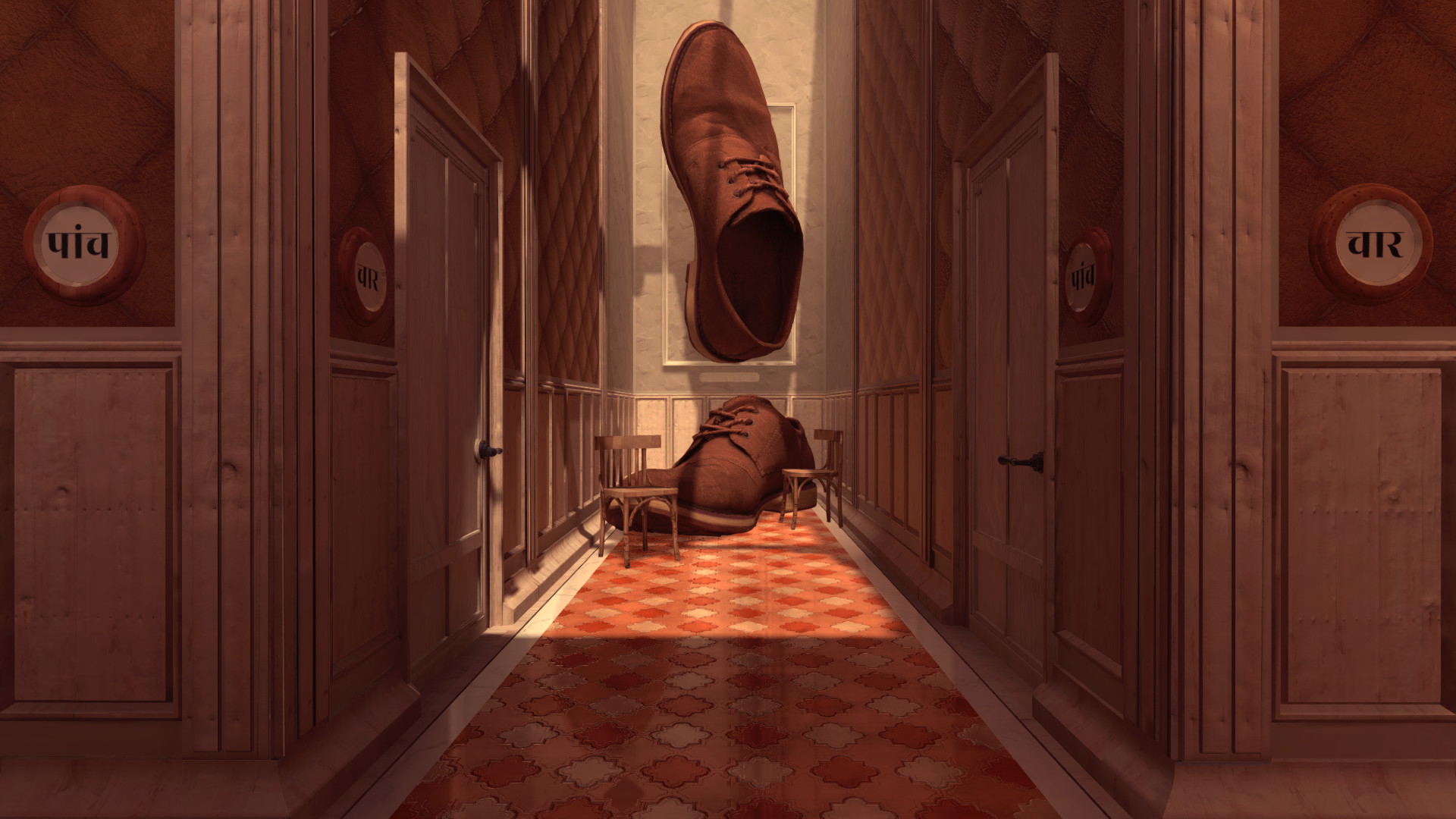
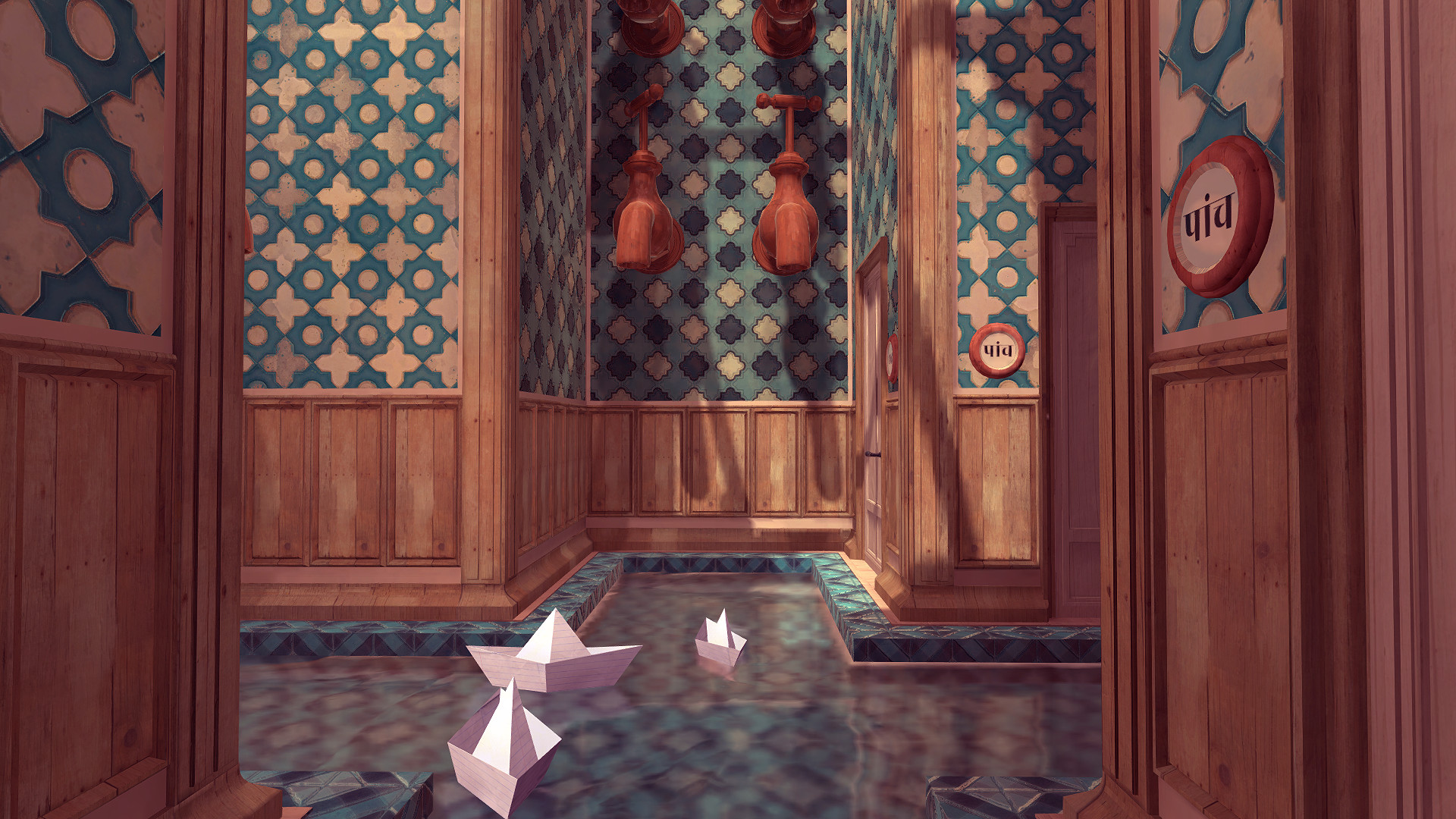
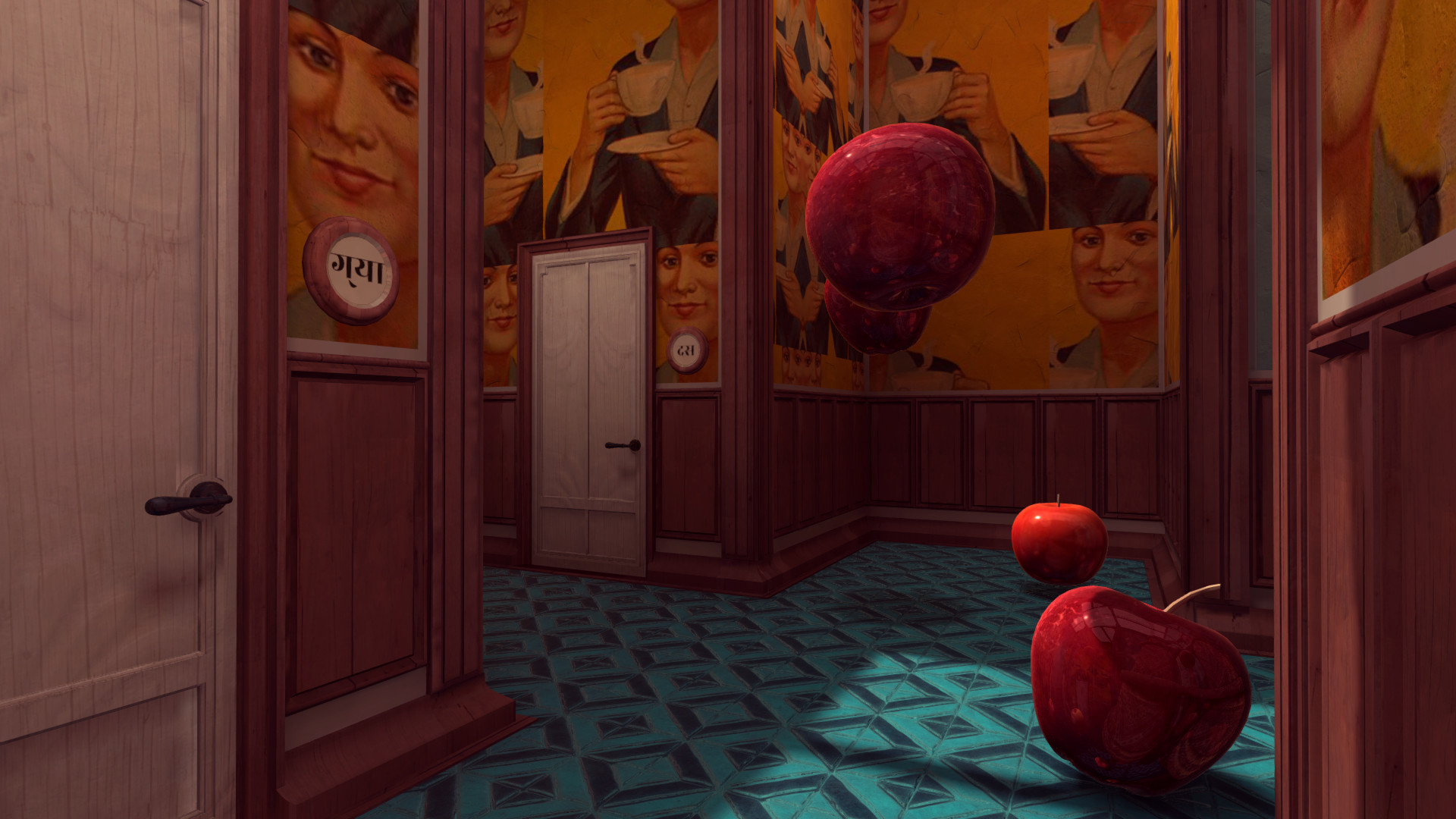
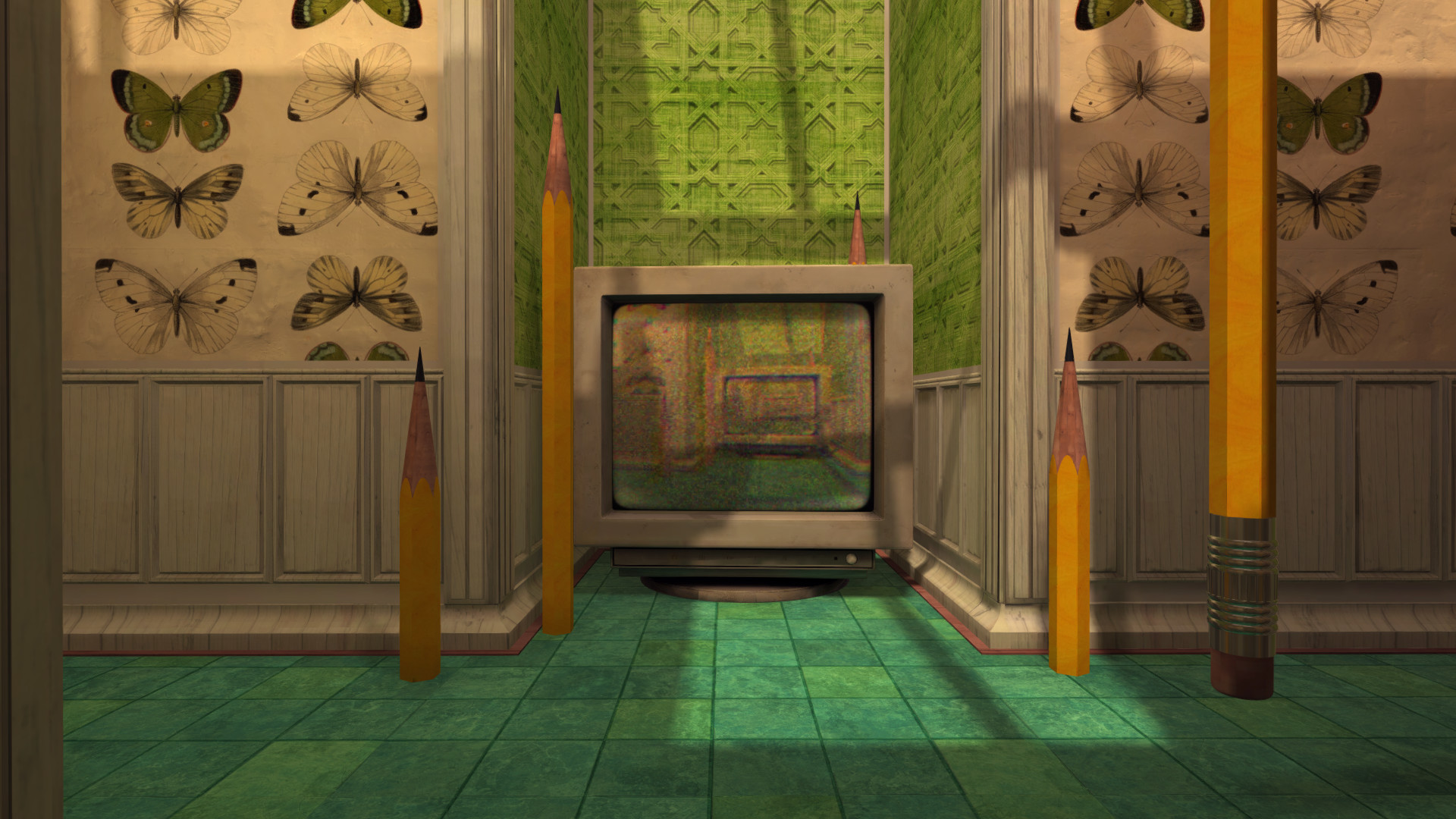
a Museum of Dubious Splendors, is a storybook from the world of Somewhere. A quiet game about prosaic objects and spurious histories, it is an irreverent rumination on the nature of an archive and forms of recollection.

Released

March 6, 2018

Price

Free

Platforms

macOS · Linux · Windows

Last sync

September 26, 2026

About

The Museum of Dubious Splendors is half a storybook and half an exploration game.
It is a collection of folklore and oral tales, punctuated by peculiar rooms, that you wander through.

These tales, have been recreated from a collection of stories by Mir UmarHassan, a Gujarati poet whose works have proven notoriously difficult to translate because of the mellifluous use of Urdu and Hindi in his compositions.

The collection, entitled "in Dubious Splendor", was written (in Gujarati) in nineteen sixty two for the Malwa Chronicle, but the stories therein were mangled and edited without the author's permission prior to their publication in serialized form.
This contested collection of stories, became momentarily infamous as the subject of the first court case to arbitrate authorial ownership in Independent India.

Even today, despite countless restorative efforts by scholars, it cannot be said with with any certainty that the text that we used for this adaptation was the original as written by UmarHassan.

Browse all