#Casual #2D #Anime
Mortgage nightmares
Your very own apartment, even if it's a 20-year mortgage – what could be better? Maybe the fact that Lena isn’t the only one living in this apartment? Or maybe they're not exactly people...
View game
Free
Positive · 15 reviews
87% positive (13 / 15)
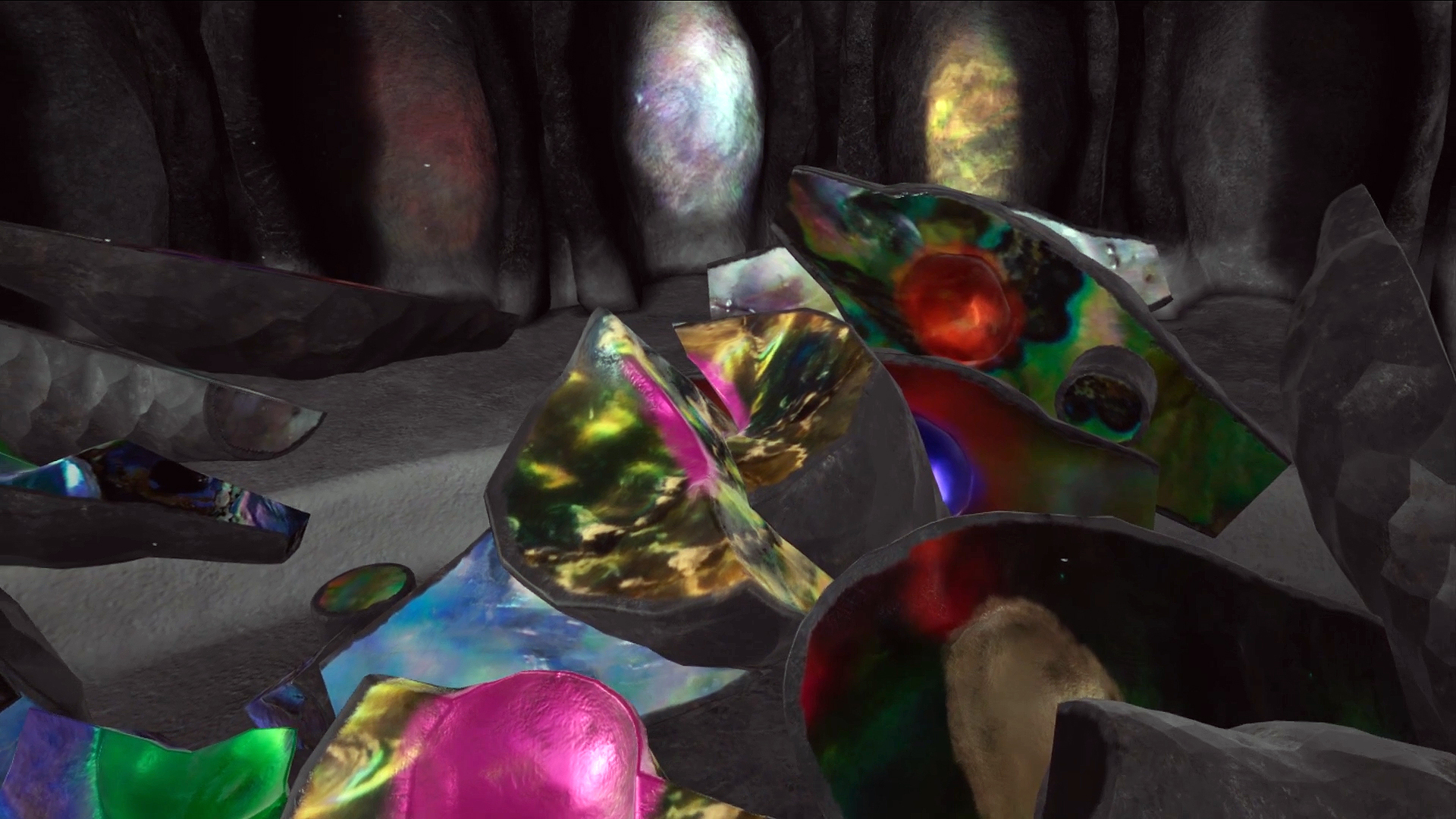
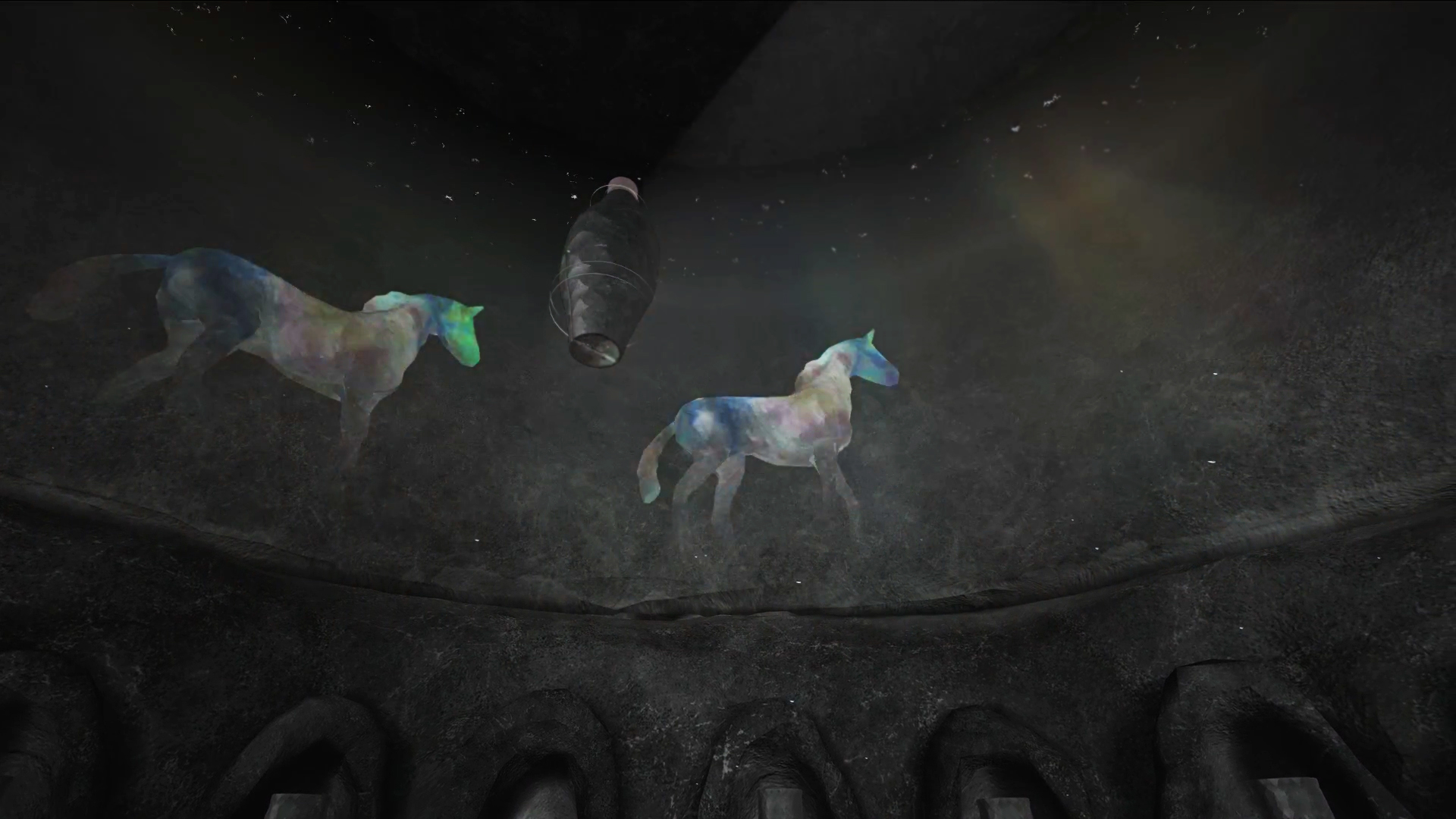
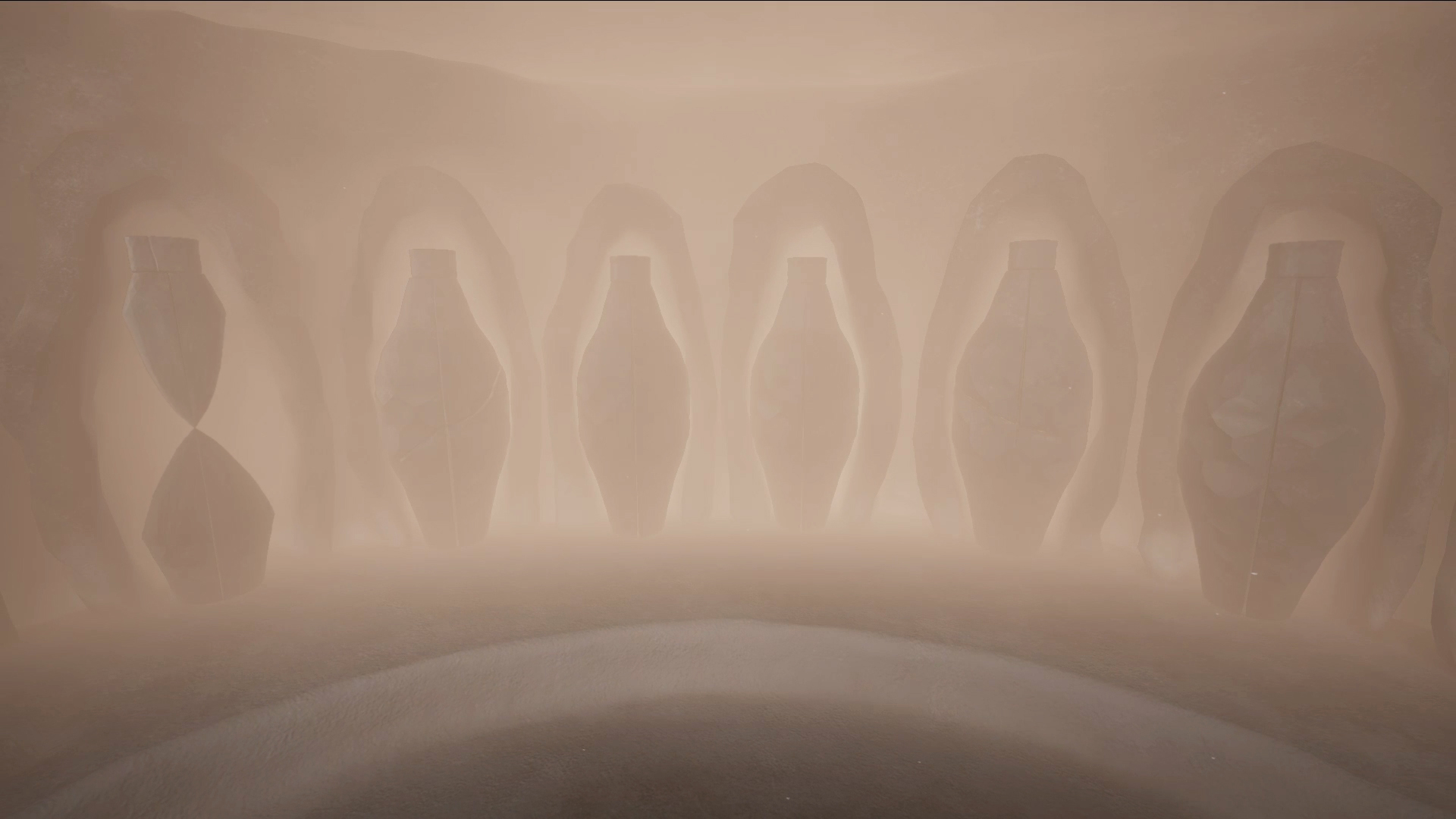
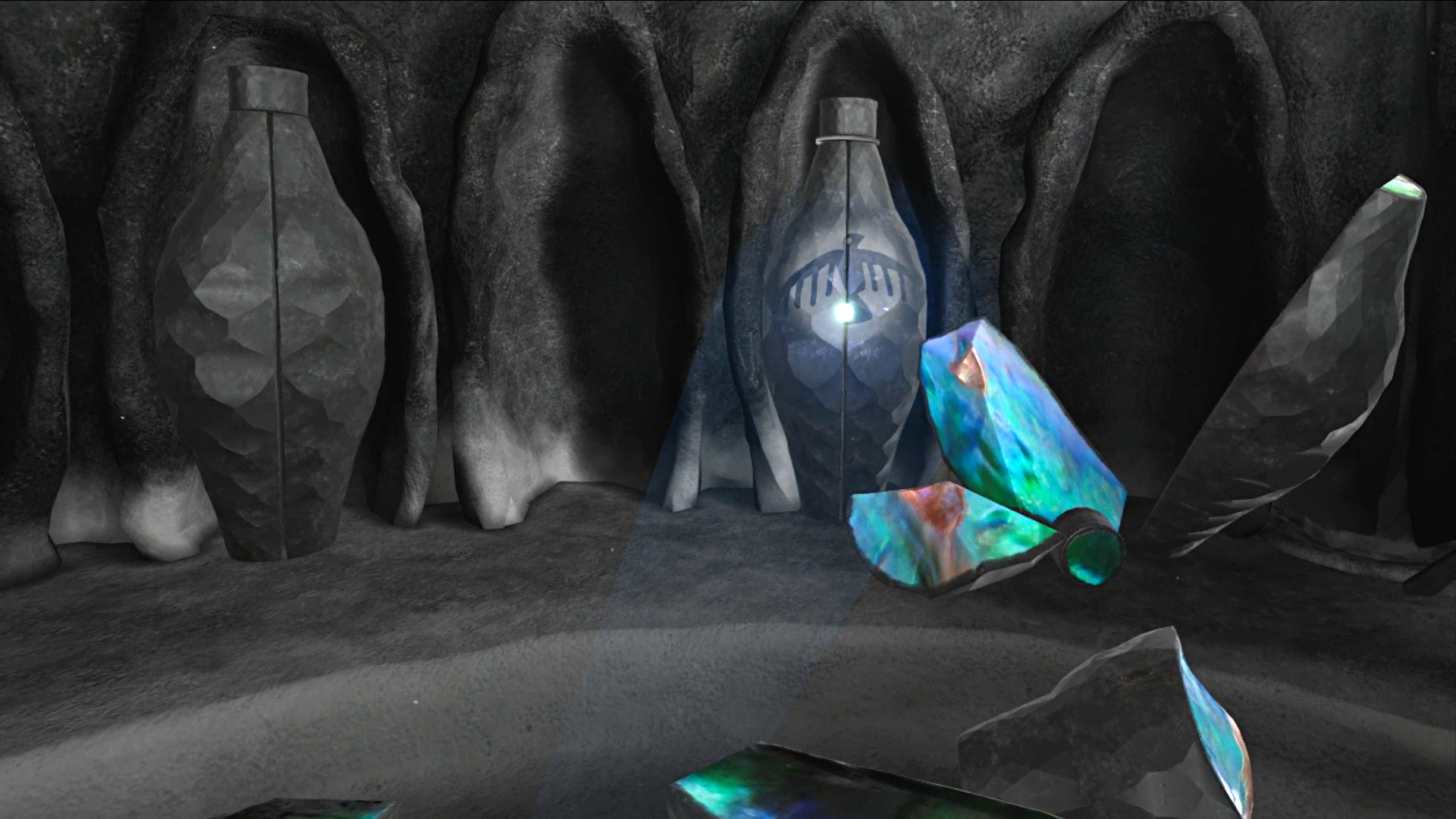
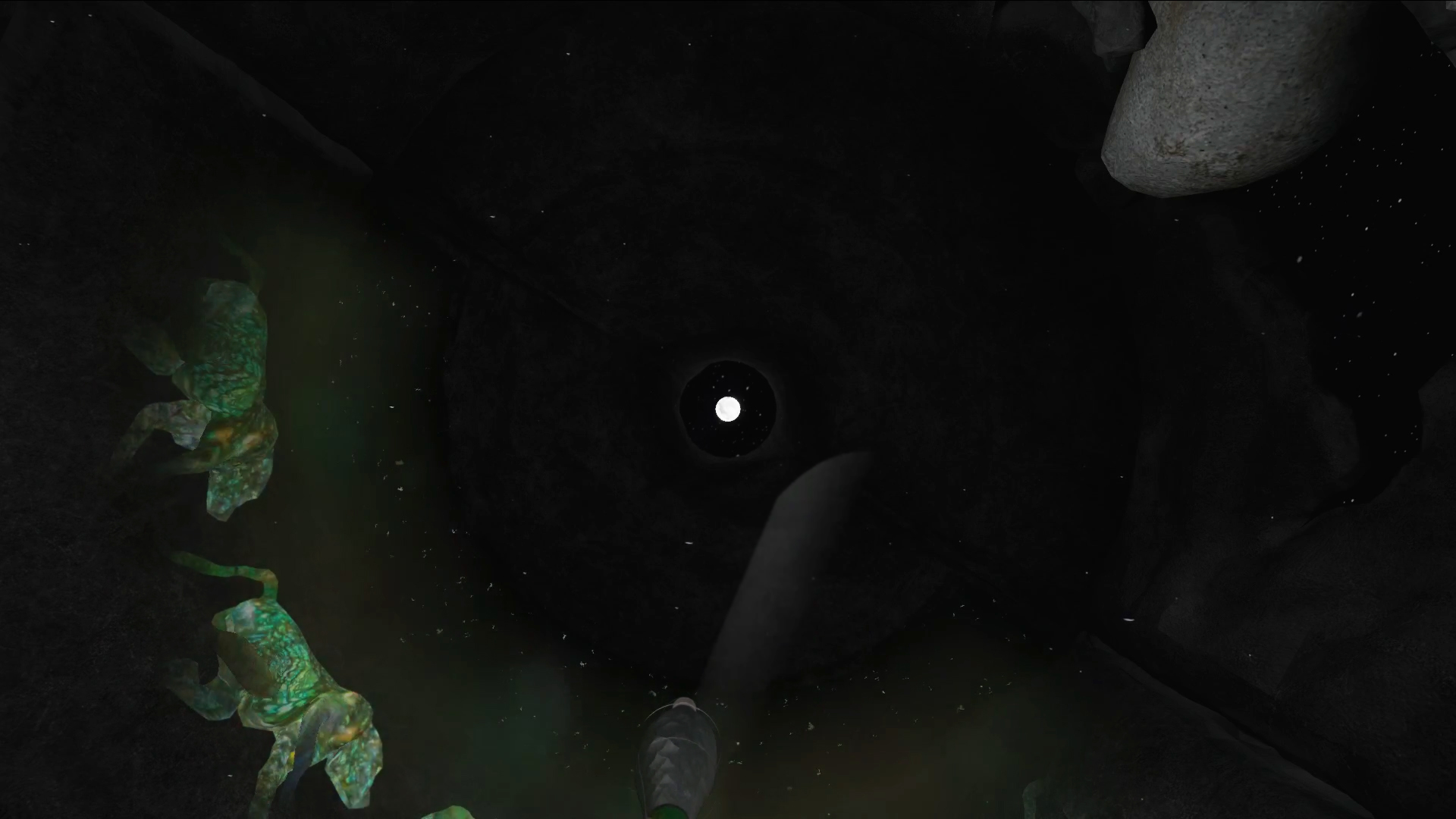
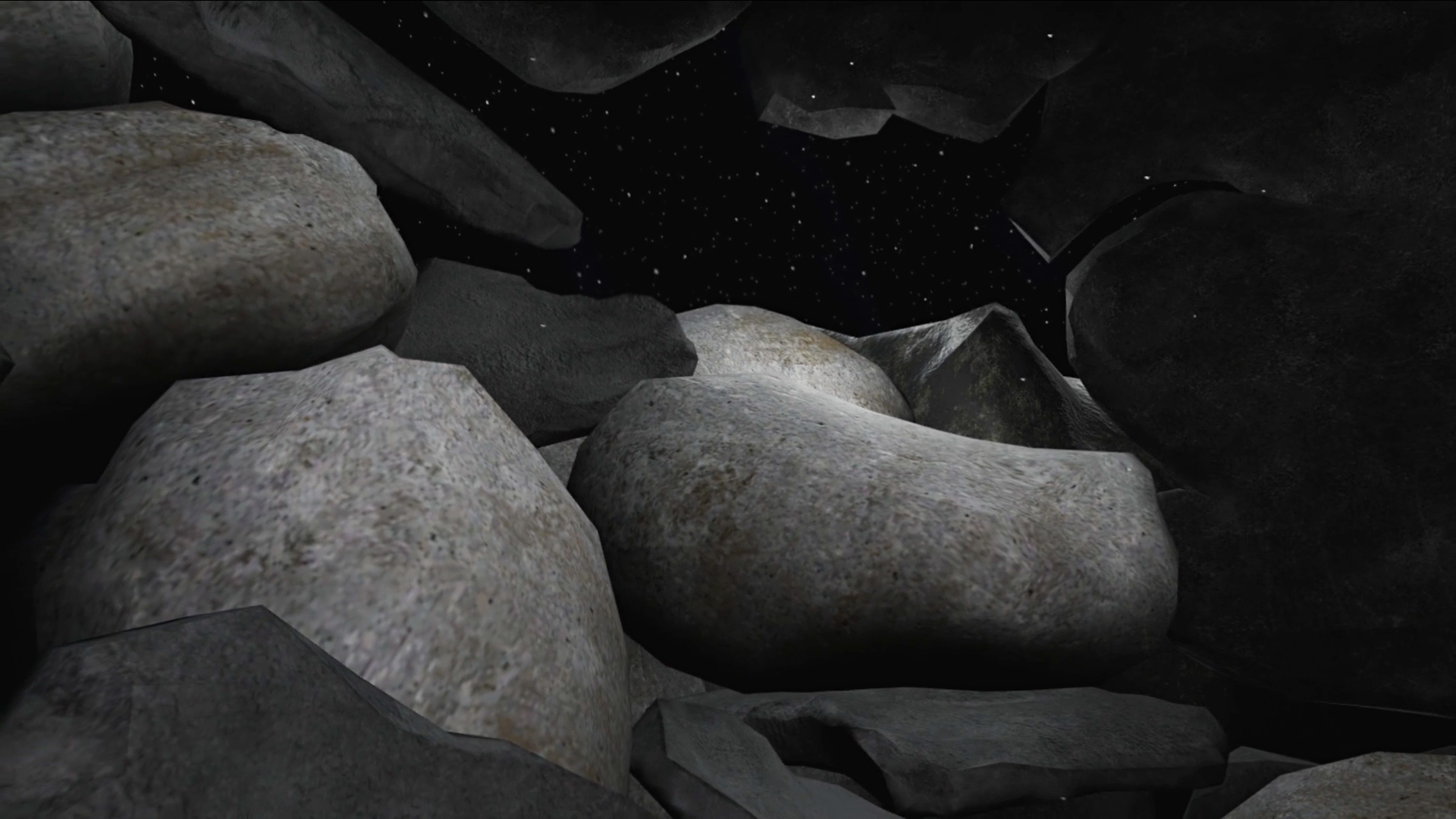

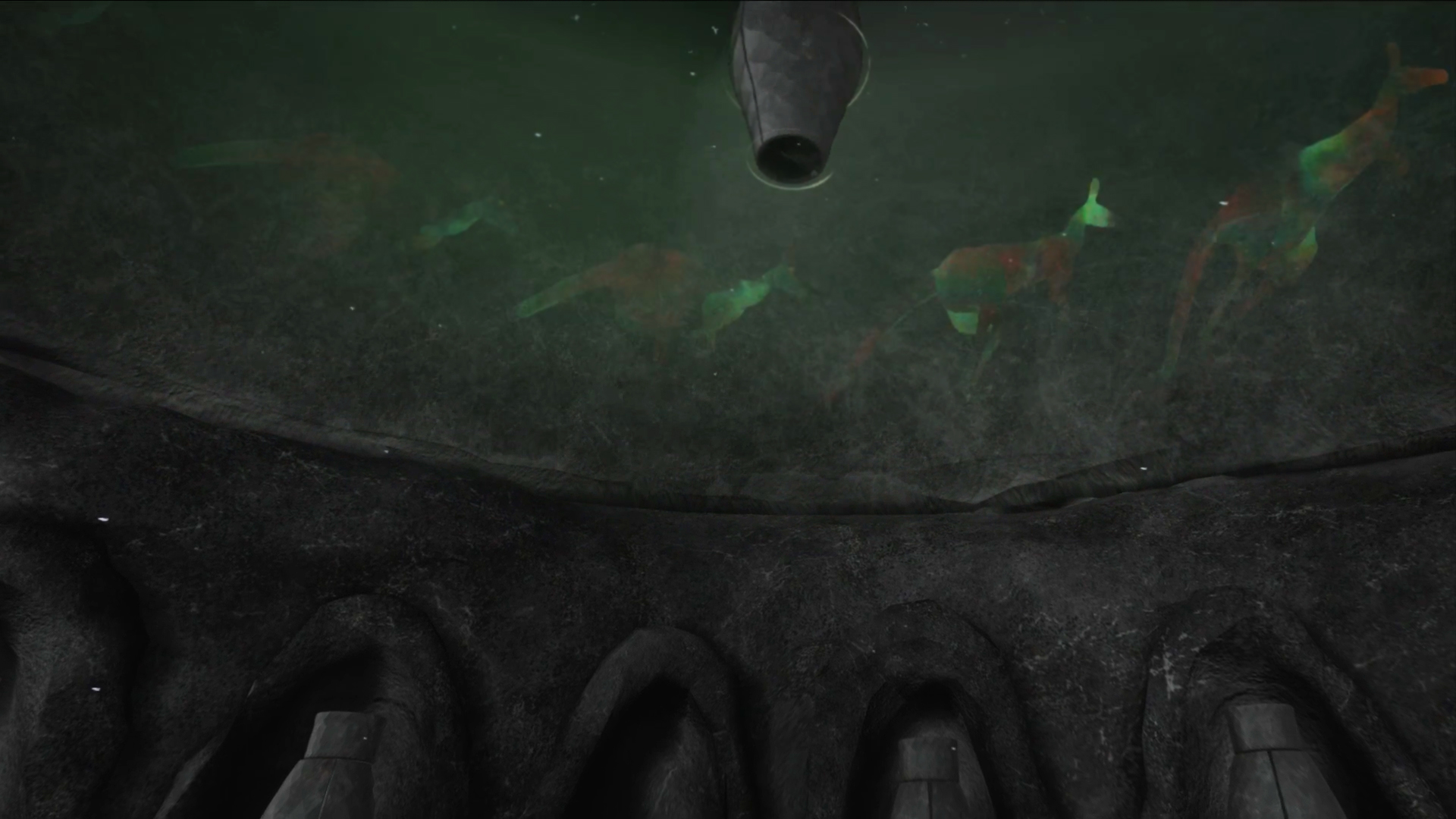
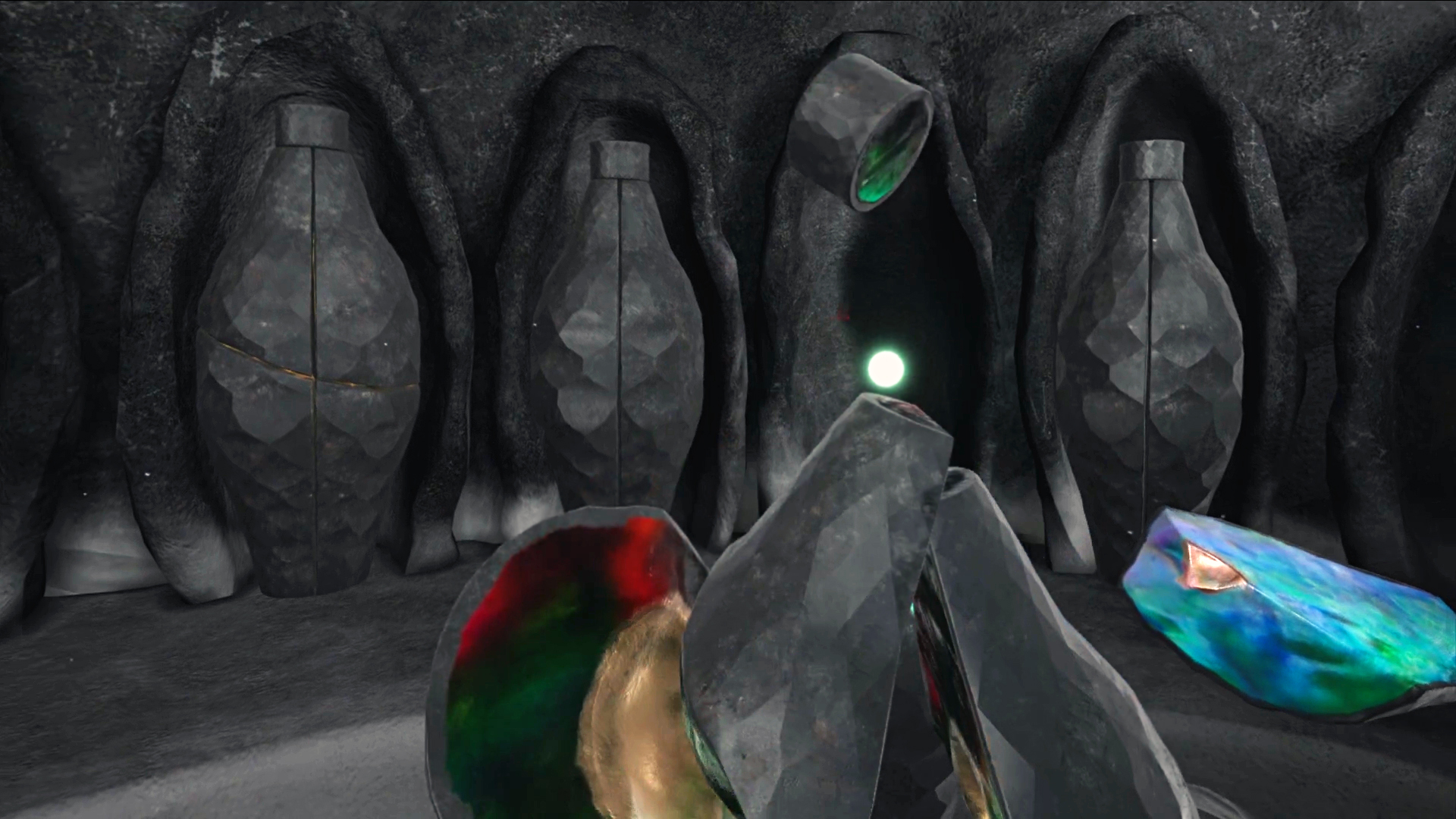
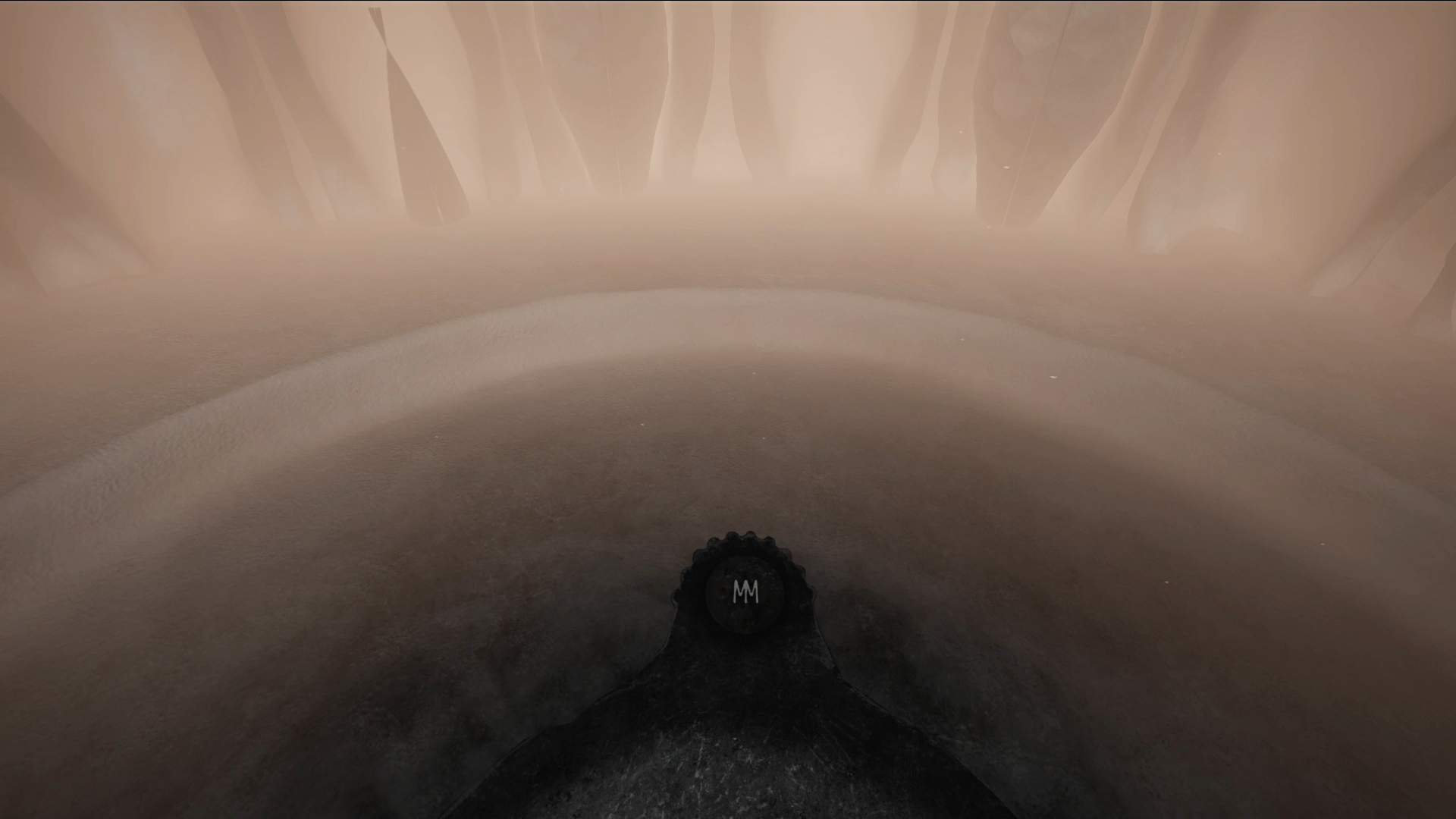
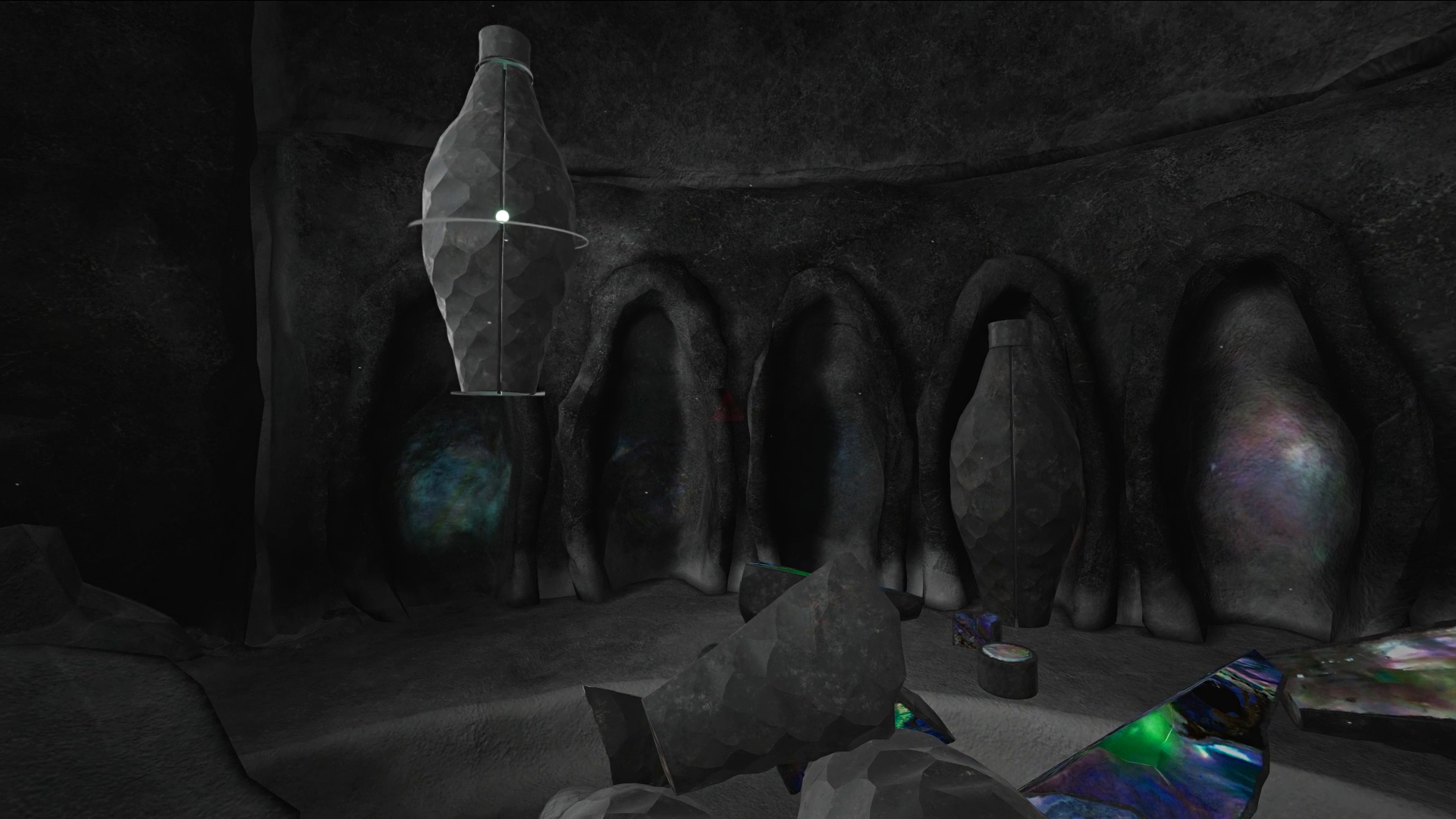
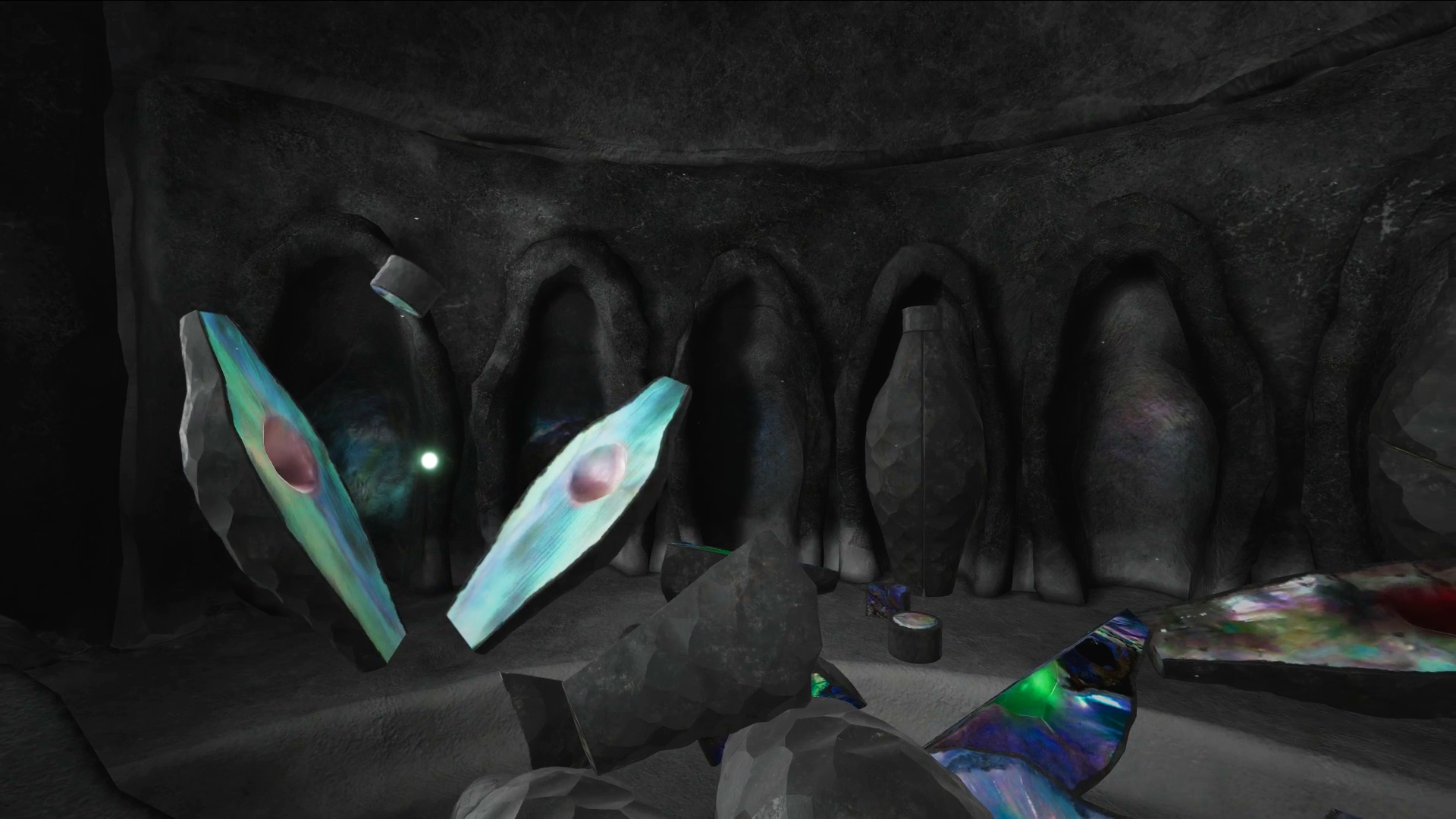
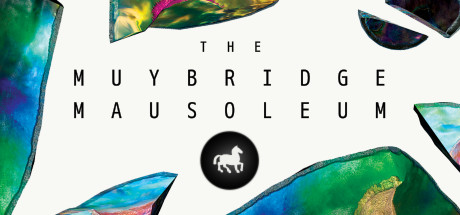
Like an art installation in virtual reality, The Muybridge Mausoleum playfully blends elements of shadow play, 19th century magic lantern shows, and early film set design. The result is a cinema for neanderthals.
Released
July 10, 2017
Price
Platforms
Windows
Developer
Publisher
Last sync
September 25, 2026
Visit the eternal resting place of some of the first animal subjects—the spirit animals—of the “motion picture”.
An imaginary historical site, The Muybridge Mausoleum pays homage to humanity’s longstanding preoccupation with moving image experiences. In addition to interpreting a few of our favorite samples from Eadweard Muybridge’s animal studies, the mausoleum playfully blends elements of shadow play, 19th century magic lantern shows, and early film set design. The result is like a cinema for neanderthals.
Duration: 10-20 minutes (or however long you want to enjoy the atmosphere)
Some key features
-Artfully crafted environment with day/night transitions
-5 animal spirits to activate
-Rich sound experience
When Eadweard Muybridge publicly exhibited his photo sequencing technology in 1879, he brought greater attention to the powerful link between locomotion and the perceptibility of life. Unlike the still photography that came before it, Muybridge's sequenced images could give viewers an eerily authentic impression of a body laboring through space. Not only was this a boon for scientific observation, it ultimately helped us realize that our senses could accept an artificial impression of life as a substitute for the real thing. Perfecting this substitution has been avidly pursued ever since. The rise of film, TV, and video games is a testament to our collective interest in experiencing a simulated presentation of the world. So it seemed fitting to create a space in virtual reality that acknowledges the new medium's lineage by calling back to Muybridge's early experiments.