#Adventure #1980s #2D
Kip
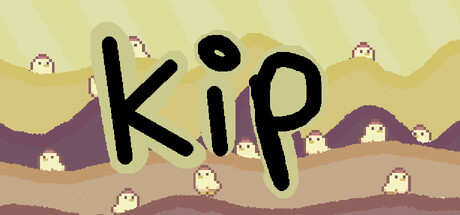
Kip is a brutally difficult precision platformer. Over a thousand levels designed to test your limits, and break you.
View game
Free
No user reviews · 0 reviews

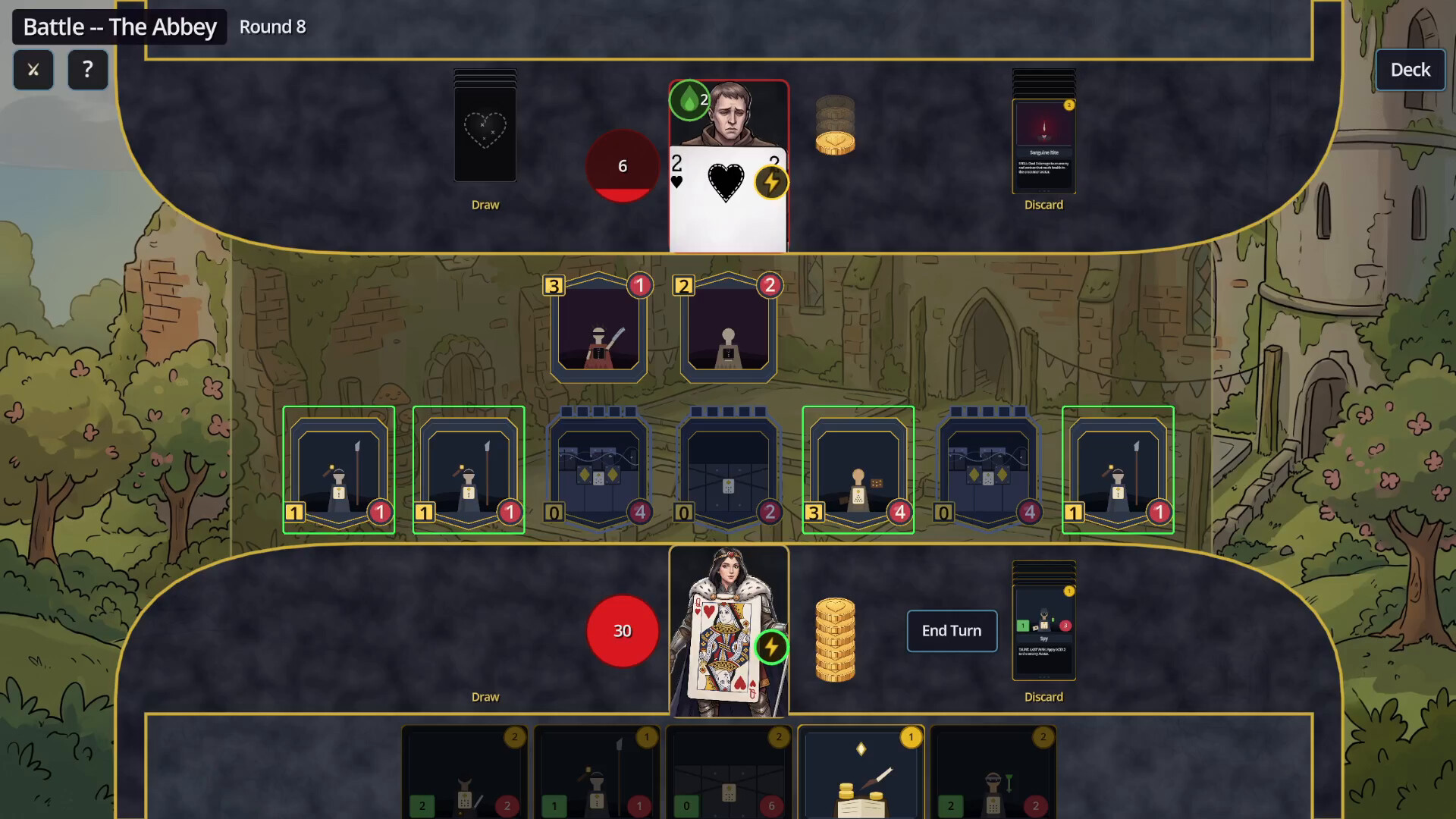
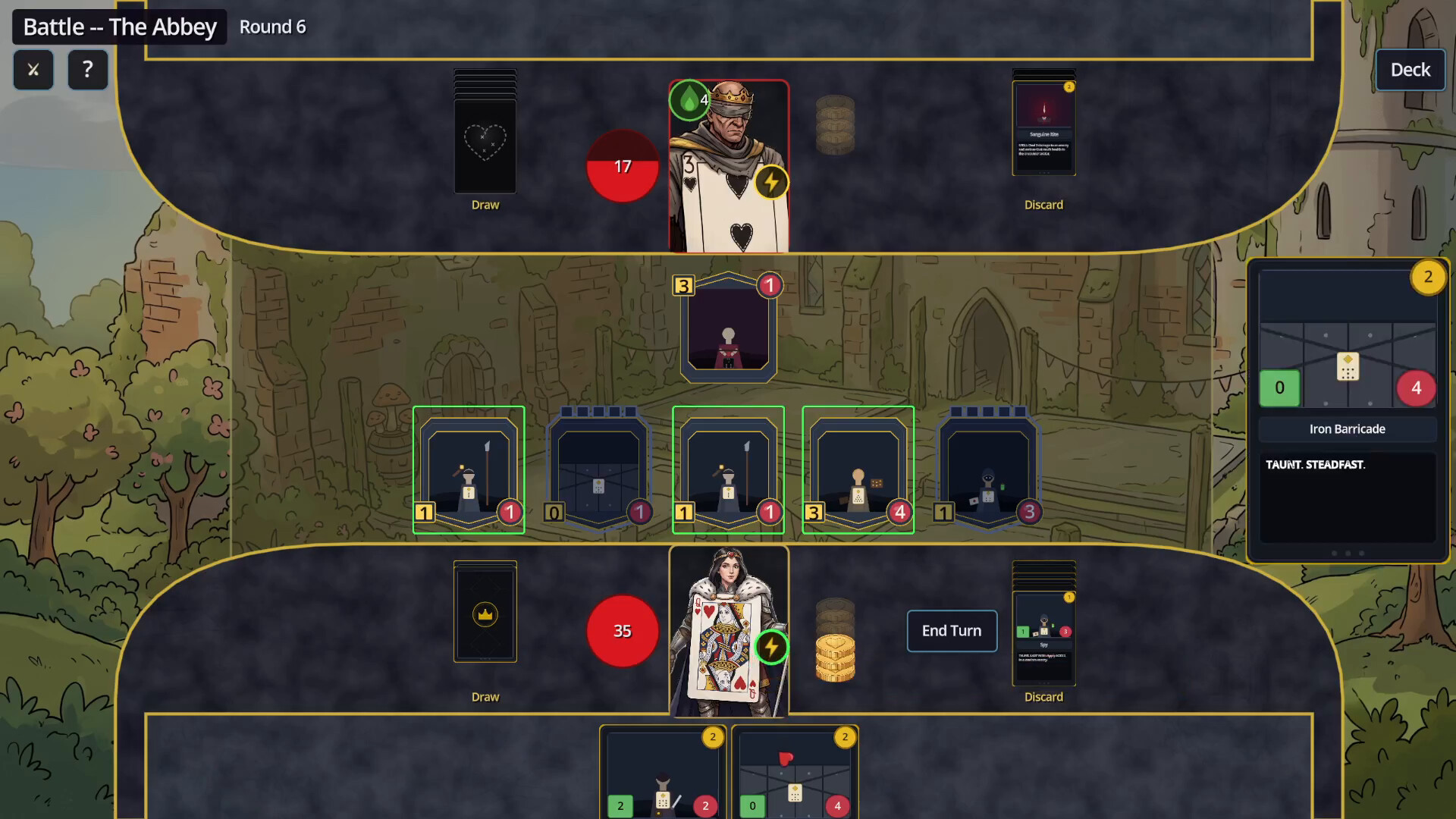

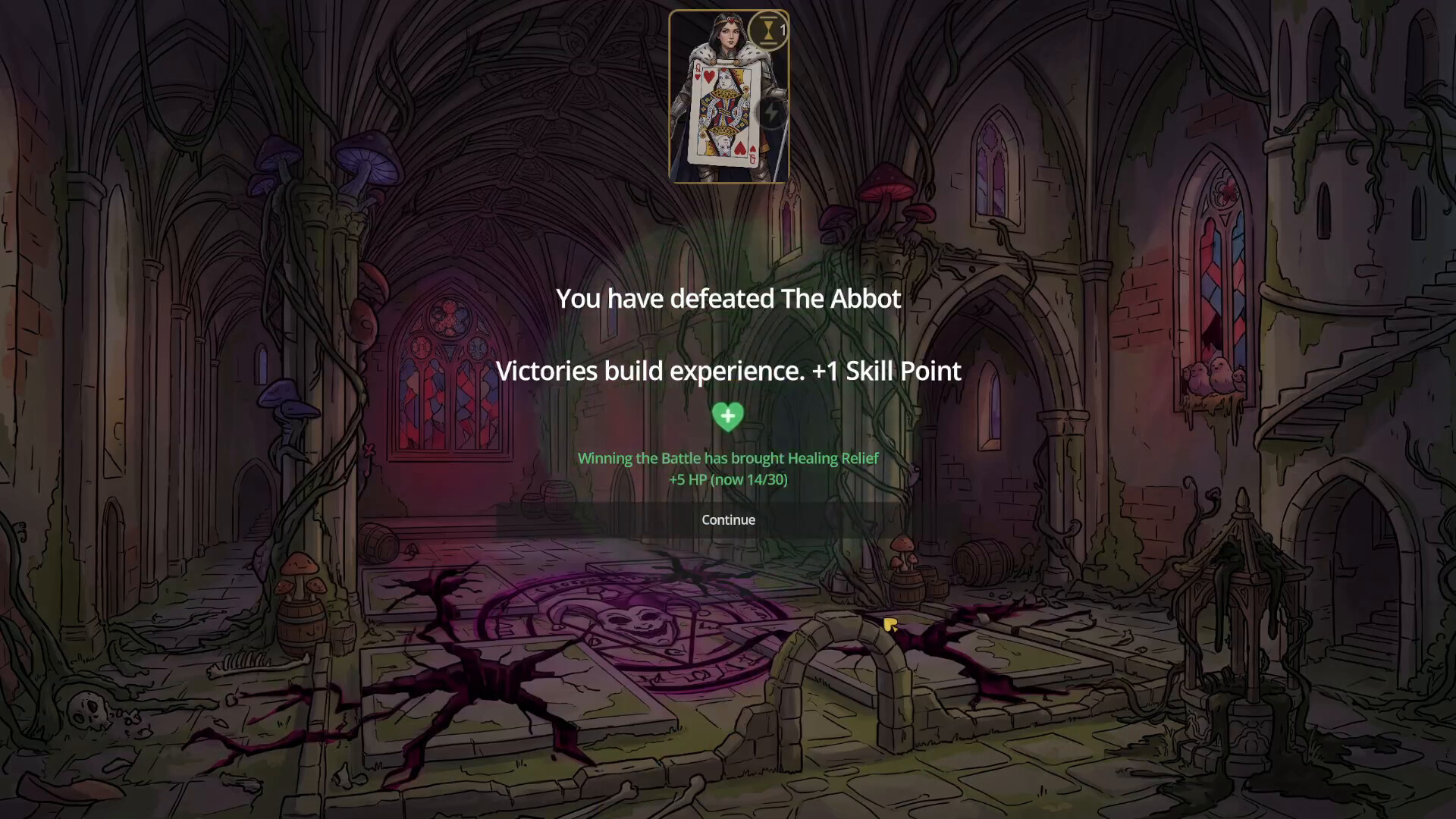


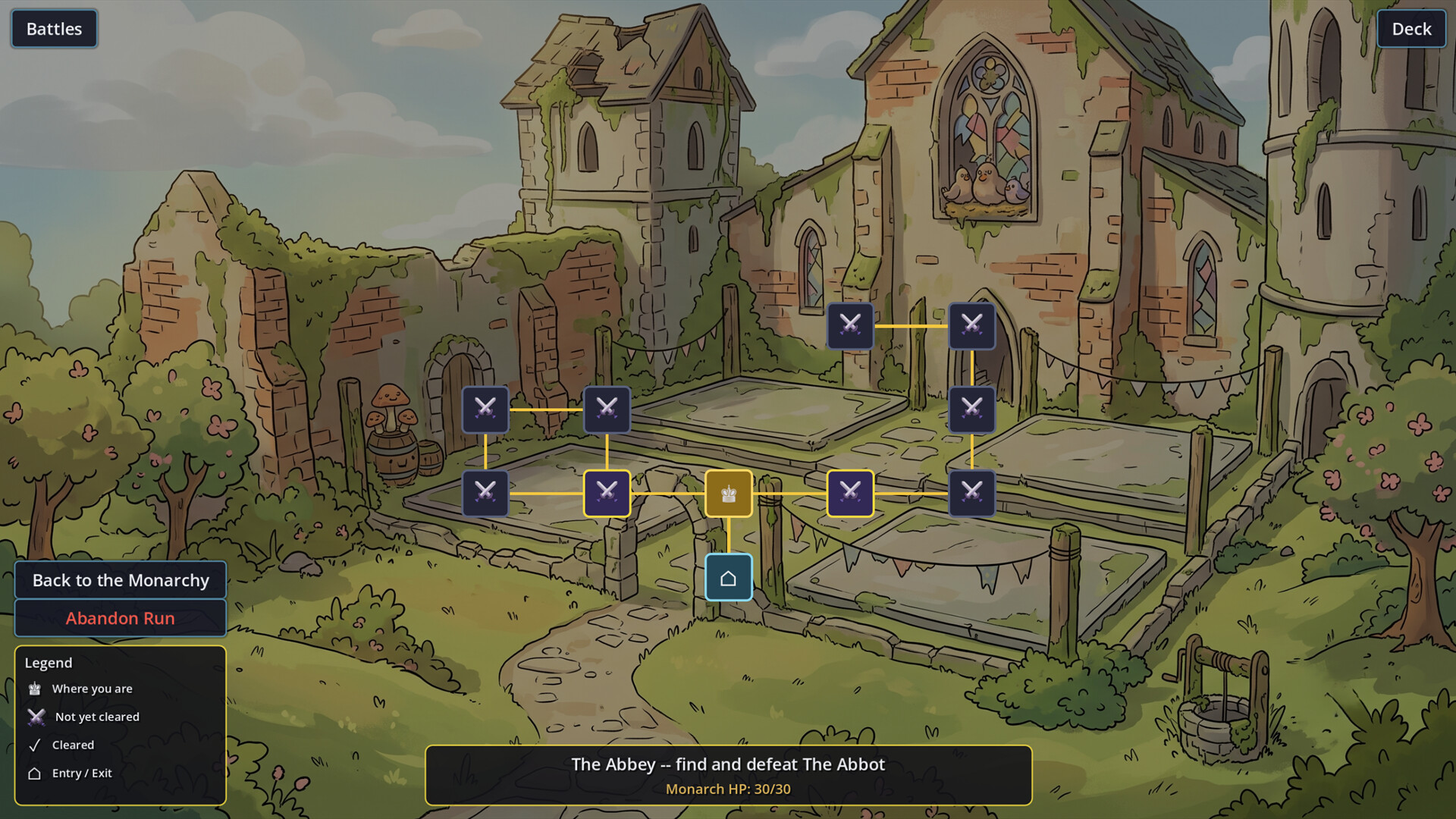
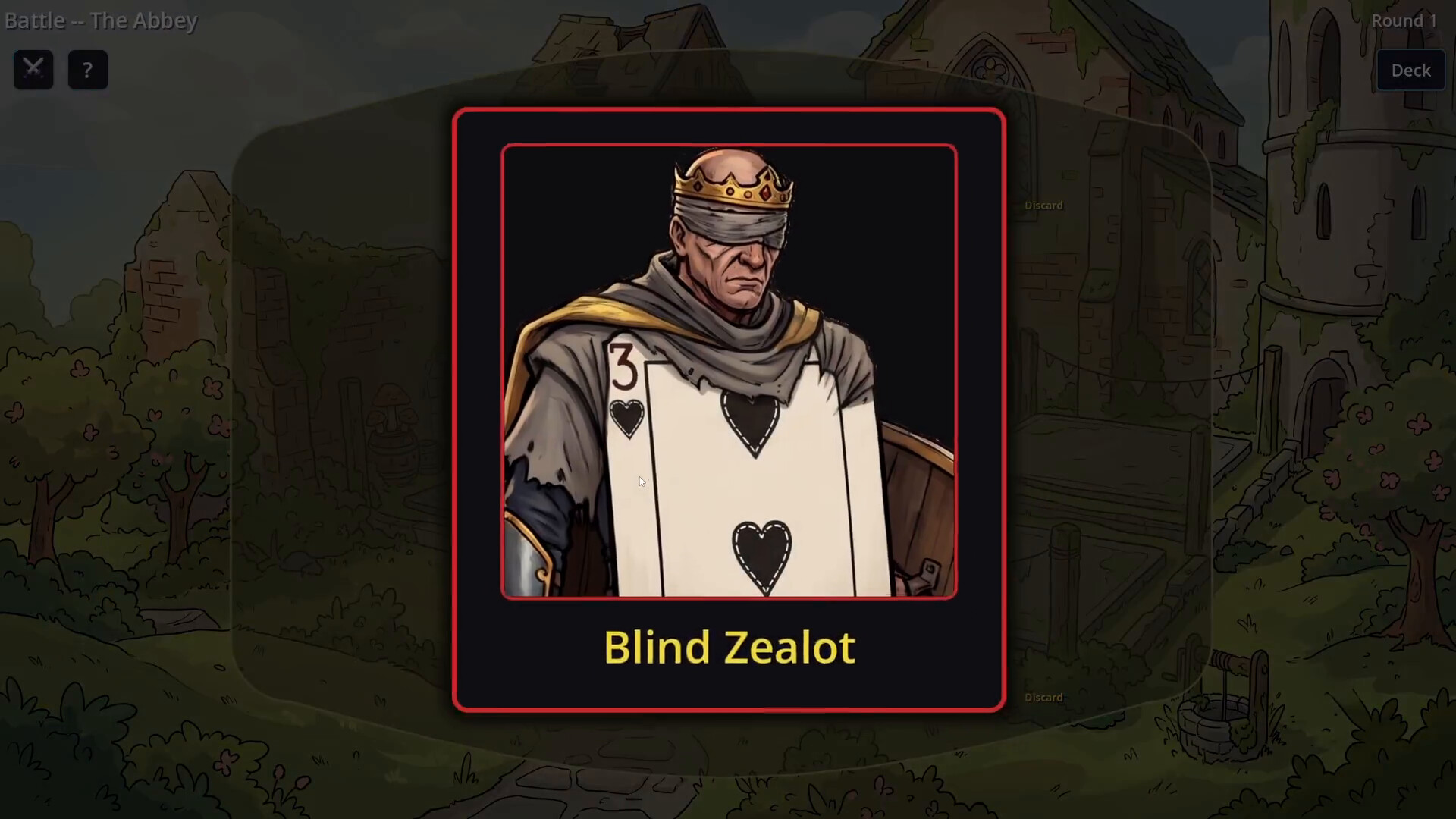
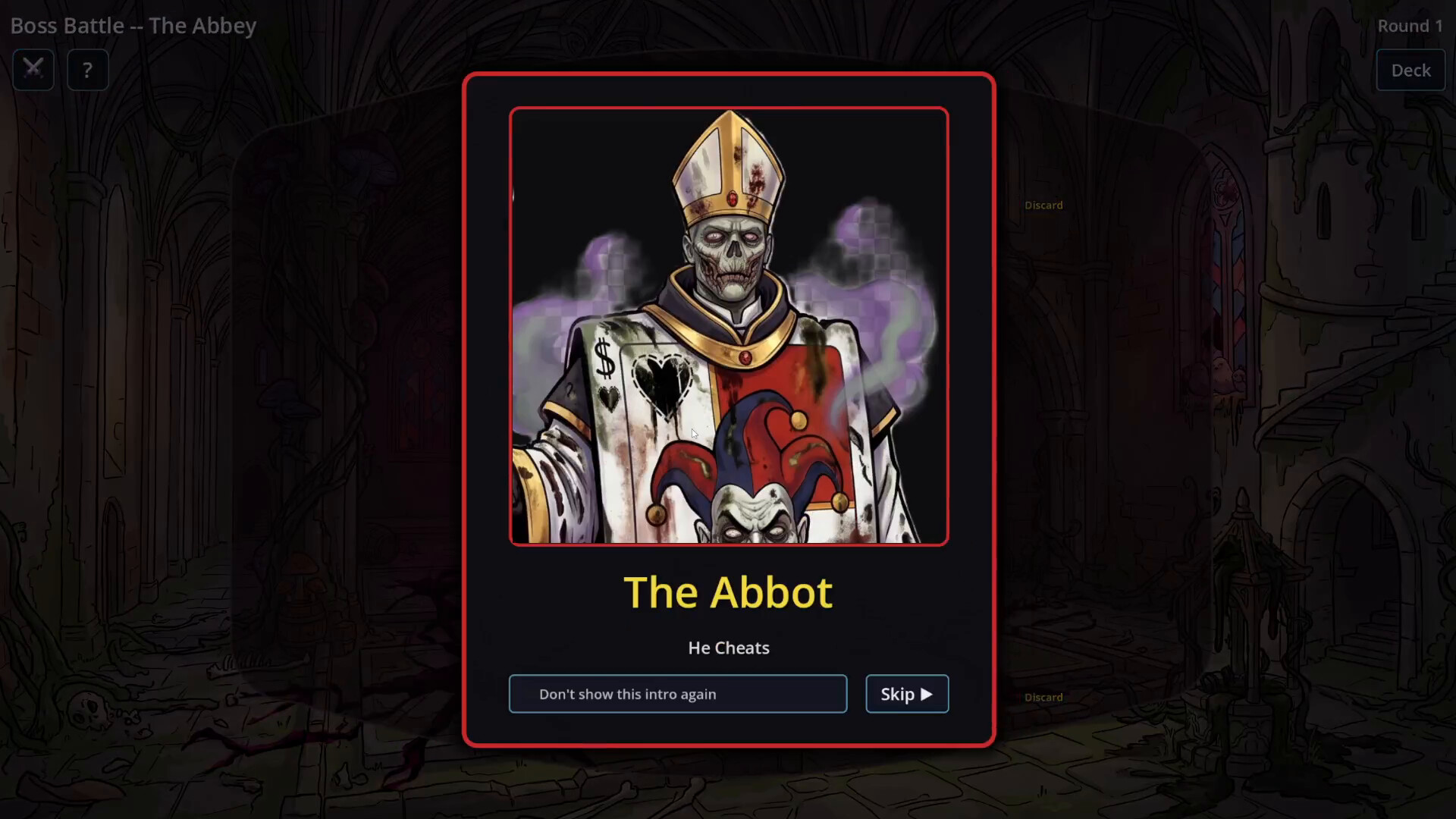
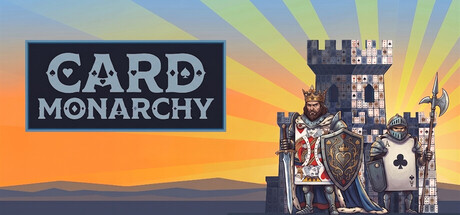
A roguelike card battler built from regular playing cards. Win or lose, the more you play, the stronger you get. Play as King or Queen and face down the Joker.
Released
October 13, 2026
Price
Platforms
Linux · Windows
Developer
Publisher
Last sync
October 13, 2026
Every unit, spell and curse is a playing card - suit and rank included. Rank sets a card's gold cost. Suit decides which Quarter it belongs to. The kingdom you fight over is built out of cards too.
Decks are exactly ten cards and you cannot run two of anything, so every slot is a real decision rather than a consistency tax. The deck cannot be changed once a run begins. That gives 847,660,528 possible Early Access decks, and more possible decks than there are people alive at 1.0.
Your Monarch is a King or Queen of one suit, and their Hero Power - usable once per turn, costing no deck space - is what shapes how you play.
Each suit is a Quarter of the map with its own encounters, enemy pool and damage identity: Spades burn, Diamonds corrode, Clubs bleed, Hearts cure. Three ways to damage something over time, and one way to wash it off. Only one affliction can sit on a unit at a time, so applying a new one clears the old - burning your own bleeding target undoes your own work.
Your Monarch's health does not reset between battles. The boss is not marked on the map and never spawns within three nodes of the entrance. Losing your Monarch ends the run.
Eight map layouts, each dealt fresh: encounters are drawn at random from the Quarter's pool, the boss hides in one of the final nodes, and backtracking re-rolls a cleared room into a new fight, a rest, an event, or nothing at all. That is 1,105,920 distinct starting maps per Quarter.
A permanent skill tree at the Citadel that grows from finished runs - won or lost. Losing is not wasted time.
An endless descent beneath the Citadel, unlocked by clearing the Abbey. Each level down, its host plays a fresh deck built to be harder than the last - and the level number is the difficulty, so how deep you got is the whole score.
Nothing heals. A Quarter run restores you after every victory; the Pit does not. Ten levels on one health bar is what turns depth into a question of resources rather than endurance. Every tenth level is a cliff - a full rest, a banked resume point, and a skill point every time you reach one. Your deck is locked between cliffs and open at them, so the Forge is the reward for getting there.
The opponent is not a corrupted enemy. It builds from the same 52 cards you do, one suit at a time, and spends Monarchy Skill points down that suit's line as it descends - a card player building the Monarchy's own deck better than you did.
A separate local versus mode, unlocked by finishing your first run. All 52 cards and all 8 Monarchs are open from the moment you get in - nothing in the Joust is earned, because its only gate is arriving at all. The campaign is a curriculum; the Joust is a sandbox.
Both seats are configured independently as a human or the AI, which gives three ways to play: hand-off on one screen with the board flipping between turns, one seat against the AI, or both seats AI as a spectate queue. Before the match both decklists are revealed and each player bans a card from the other's - and the banned card is replaced, not lost, so a ban costs its target a substitution rather than a card.
Play the Joust with a distant friend via Steam Remote Play Together - and they do not need to own the game. Both hands are open at the table by design, so nothing is hidden by sharing one screen.
In Early Access today:
What version 1.0 adds: