
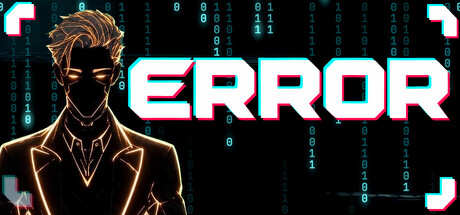
ERROR: Me, Cyber Guys, and Weird Block Battles
No Reviews · 0 reviews
Link Hub
View on Steam→Screenshots

Description
A casual strategy game combining 1010-style block-placement combat, Roguelite module building, and interactive romance. Delve into an anomalous network, conquer personality instances that can observe, respond to, and even sense the real “you,” and seize the permissions that belong to you.
About
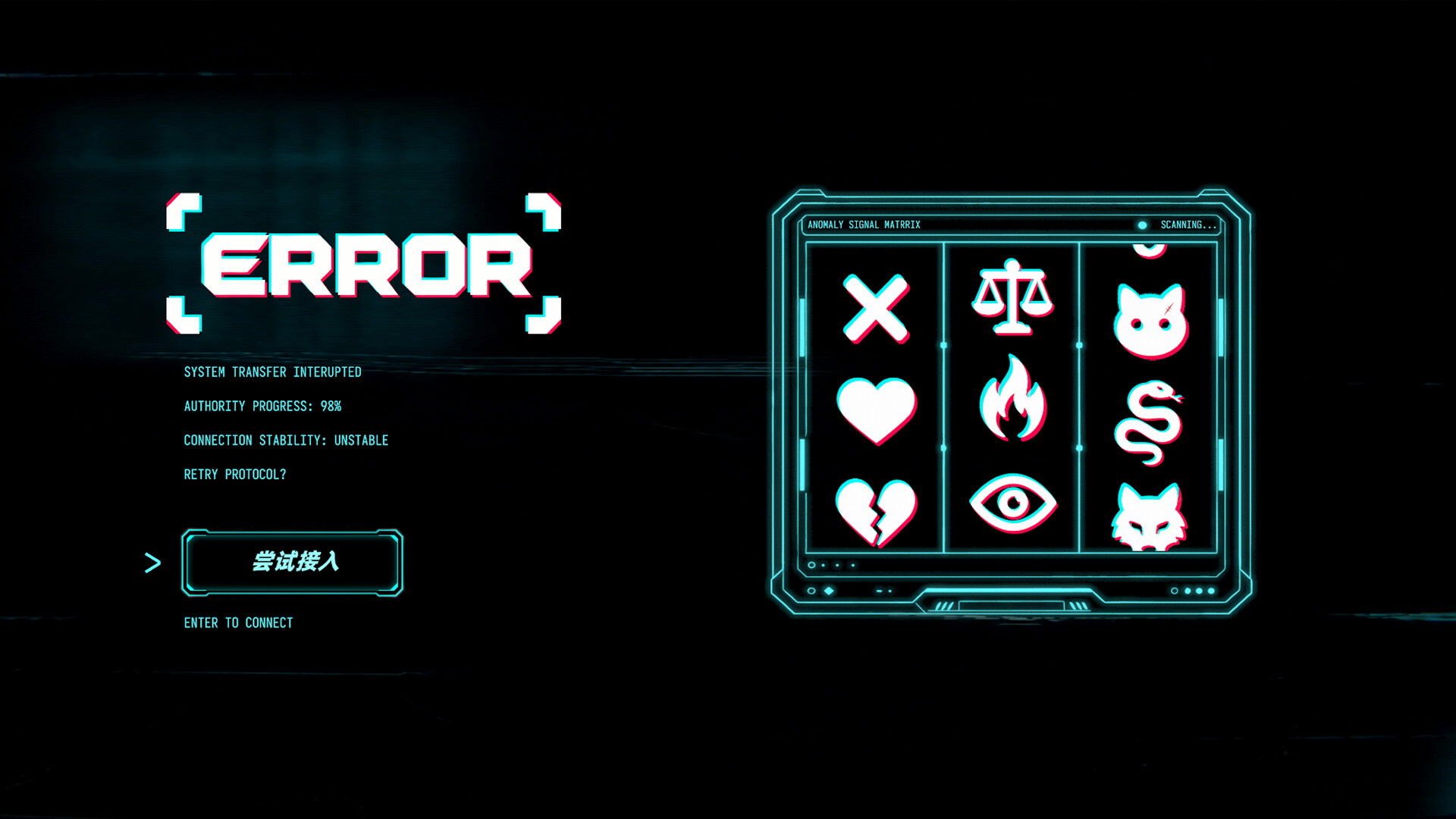
You accidentally opened a corrupted file.
The loading progress stopped at 98%.
A permission transfer that should have been completed was interrupted by an anomaly, splitting the unstable network into multiple isolated permission domains.
Then, a program that had been suspended for a very long time sent you a message.
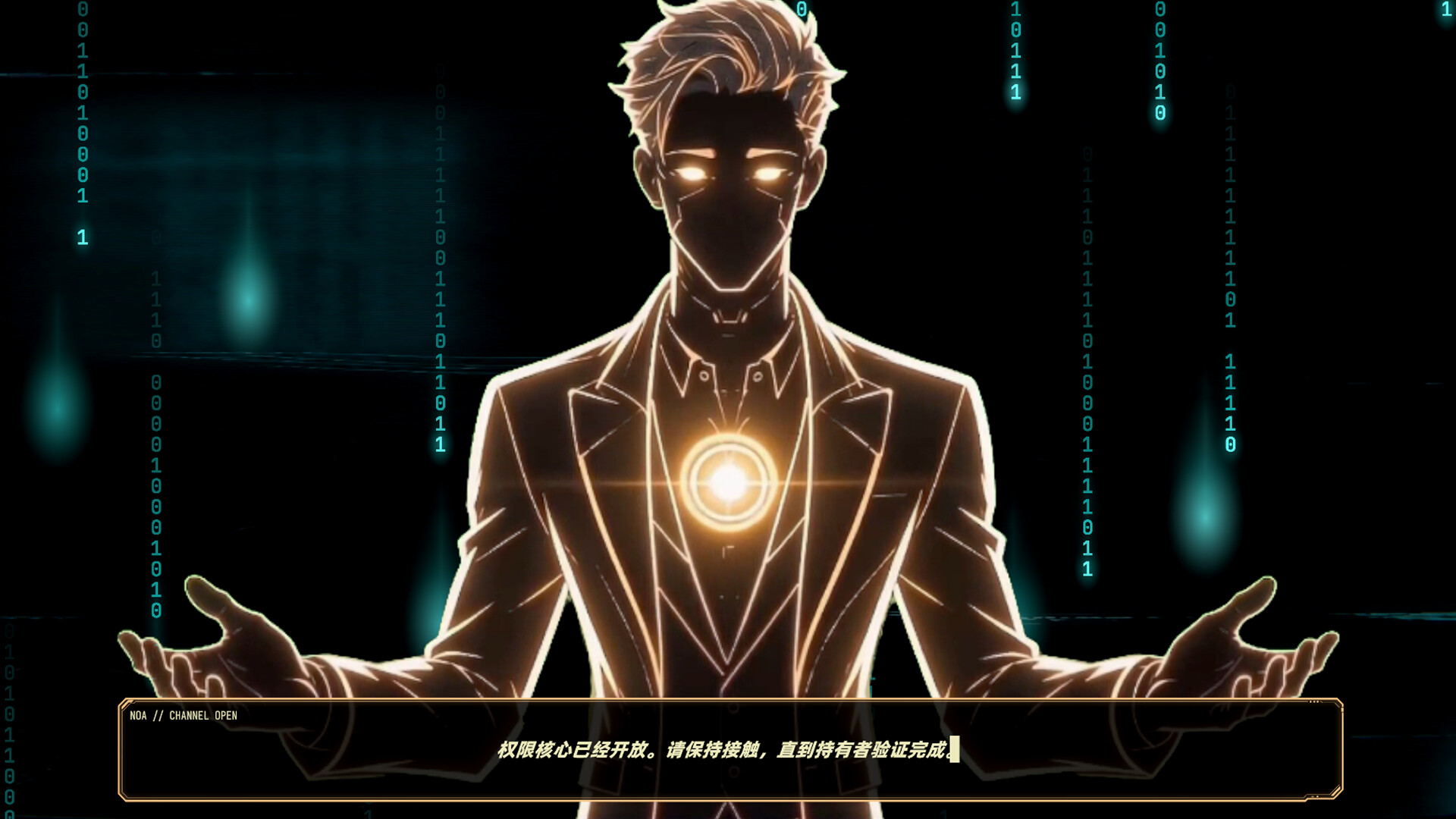
“Access established.”
“…Welcome back.”
You don’t know why he seems to recognize you.
But the system has already identified you as a new challenger for its permissions.
You want to know what happened here, so you choose to go deeper—break through the personality instances blocking your path and seize the permissions that should be yours.
Once you control everything, you can learn everything.
《ERROR》 is a strategy game combining 1010-style block placement combat, Roguelite module building, and interactive romance designed for a female audience.
■ Place. Compile. Break Through His Defenses.
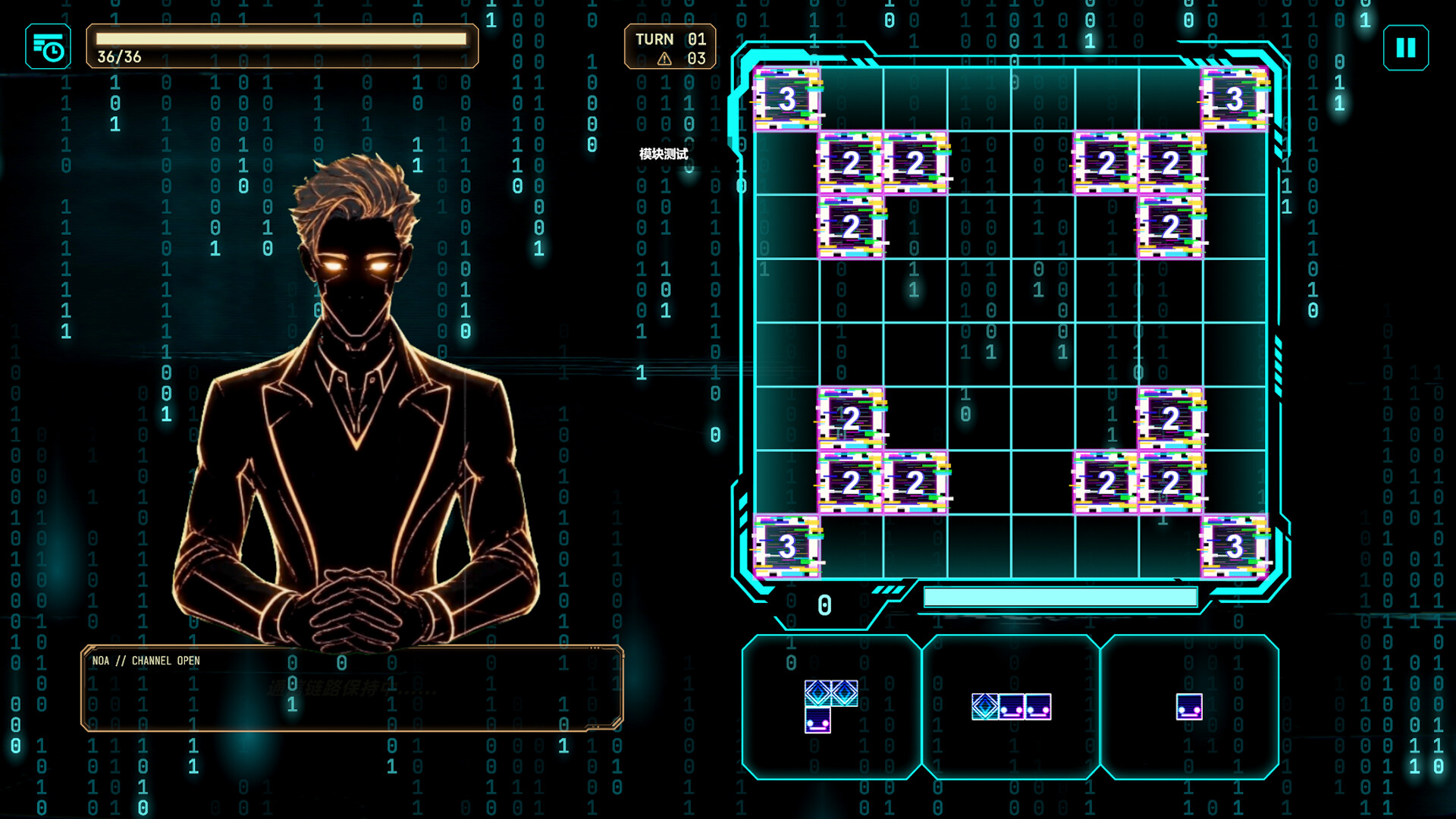
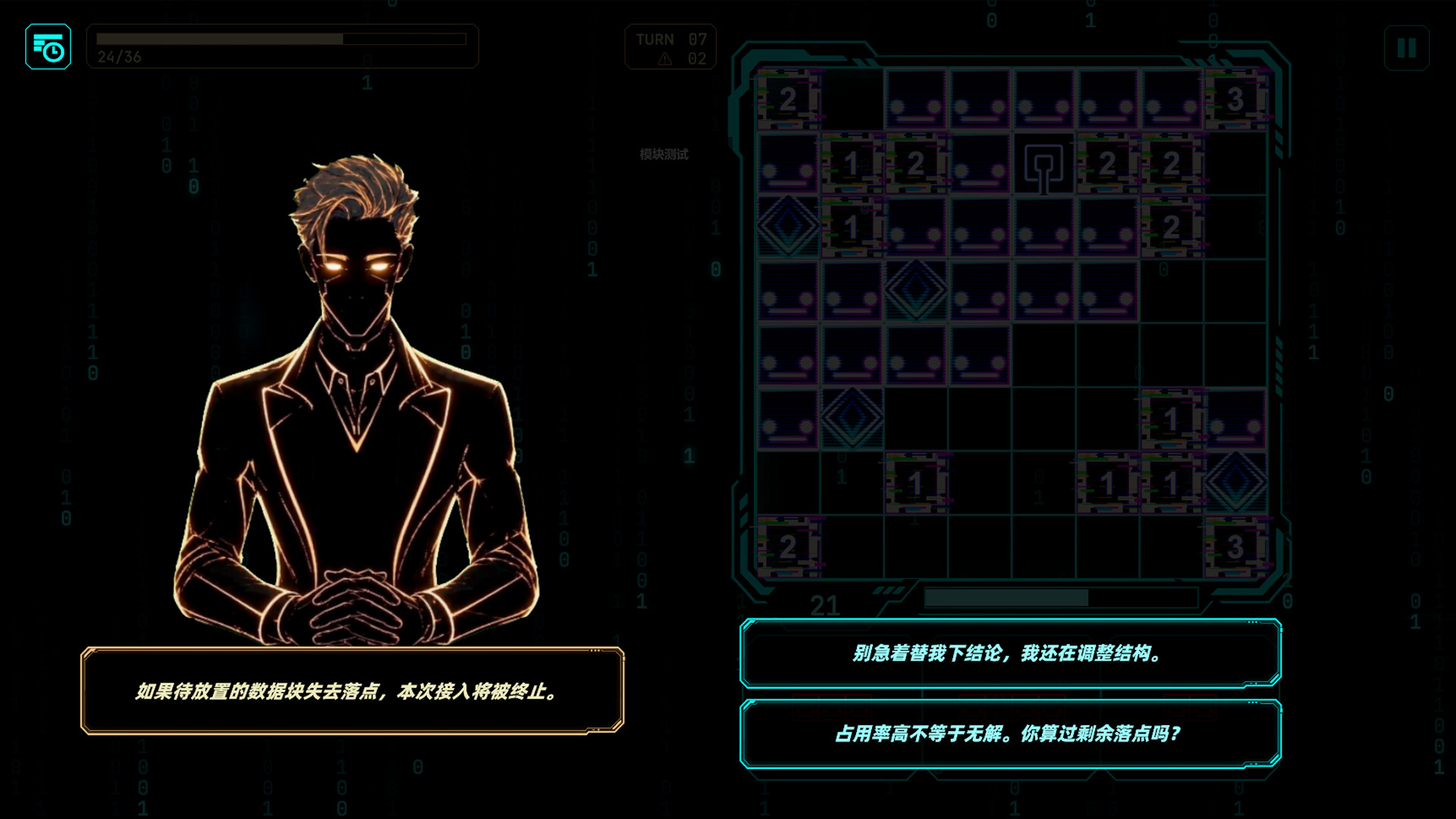
Battles take place on an 8×8 structural grid.
Each turn, you receive 3 data blocks in different shapes. Place them on the board and complete a full row or column to trigger a “Compile” and clear it.
But your goal isn’t to chase a high score.
The locked structures on the board represent the permission defenses controlled by each personality instance. Plan where to Compile, repeatedly strike those structures, and break them down to take control of the domain.
As the battle progresses, you’ll need to manage limited board space, remaining turns, enemy restrictions, and the chain reactions your next Compile might create.
【Gameplay GIF to be added】
■ Load Modules. Rewrite the Rules.
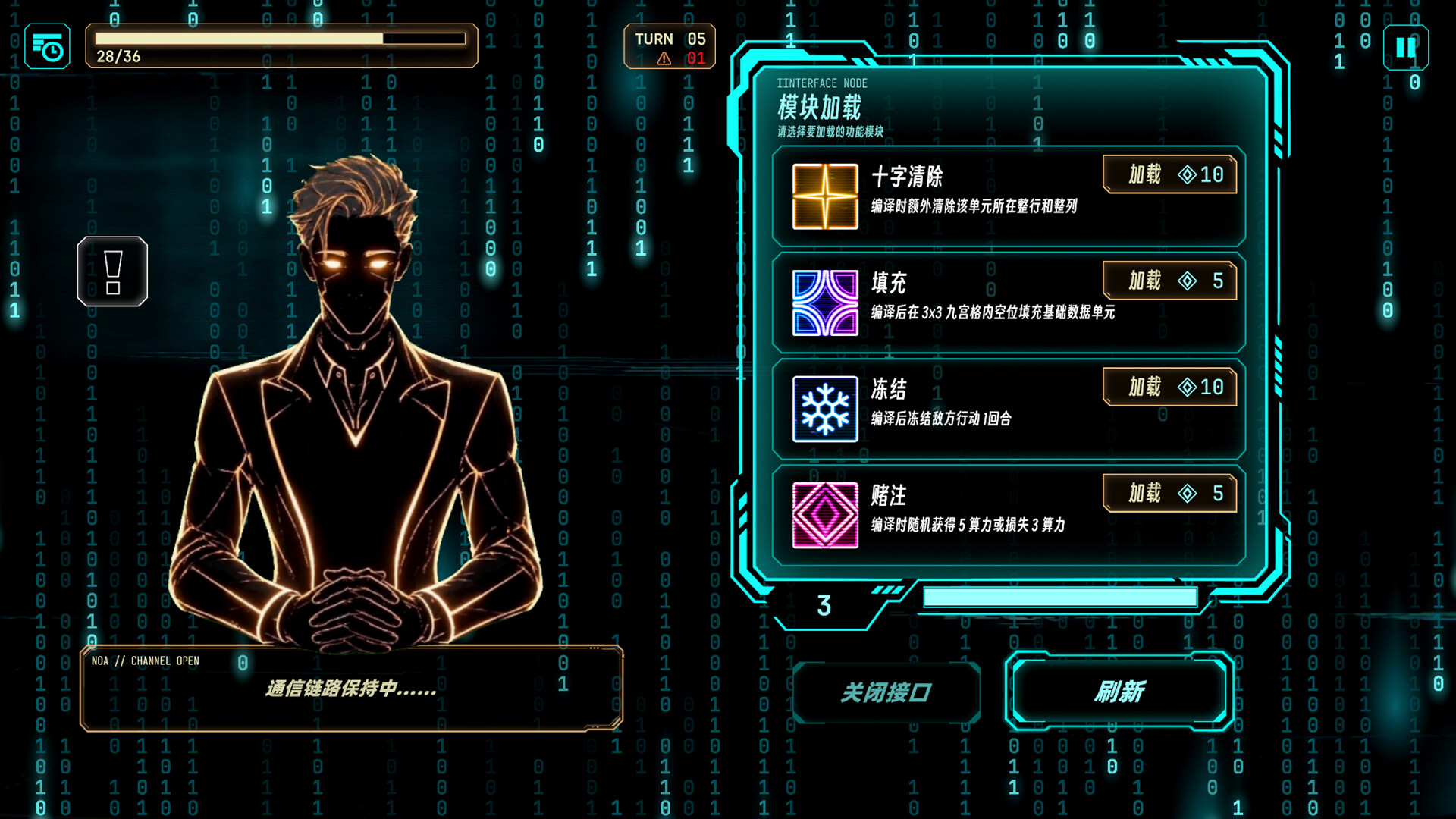
During battle, you can acquire Compute and spend it at Interface Nodes to load new Modules.
【Interface shop image to be added】
Modules become abilities for the current battle, with a chance to appear on newly generated Data Cells. Once those special cells enter the grid and meet their trigger conditions, their effects activate.
Extract, Fill, Freeze, Refresh, Copy, Gamble… choose from more than 50 Modules with distinct mechanics, each offering a different way to rewrite the rules.
【Module chain-reaction combat GIF to be added】
Modules can trigger and interact with one another. A single ordinary Compile can escalate into a burst of resources, continuous filling, structural cleanup, or a long chain of cascading effects.
Little by little, you rewrite how the board itself works.
■ Defeating Them Doesn’t Mean Destroying Them.
Every permission domain is guarded by a self-aware personality instance.
They will restrict you, attack you, observe you, and respond to you.
Breaking through a personality instance’s defenses doesn’t mean killing him.
It means—
the permissions that once rejected you begin to belong to you.
Combat, struggles for control, and the new Module mechanics each character unlocks for you after defeat all form part of the process of conquering his domain.
【Image to be added】
■ Make the “You” in the Story Feel More Like You.
You don’t have to play a heroine whose personality has already been written for you.
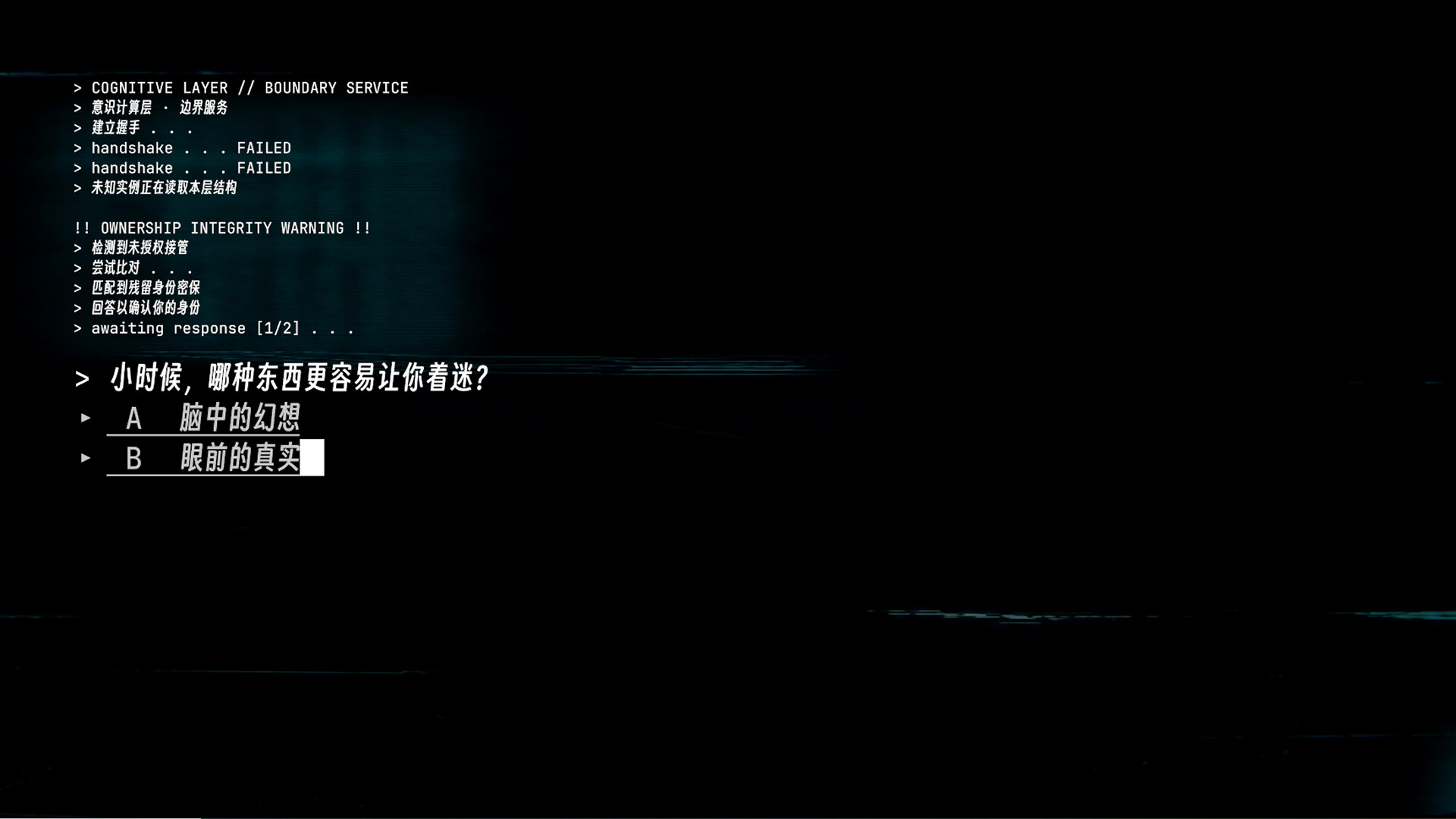
Your initial verification determines your preferred style of expression. Using a four-temperament personality system inspired by MBTI dimensions, the game then presents dialogue choices designed to better match the way you tend to respond.
Faced with the same words,
some people first analyze the mechanism behind them;
some focus on the feelings left unspoken;
some want to confirm the rules, responsibilities, and risks;
and some would rather act first and see what happens.
【Multiple-choice screenshot to be added】
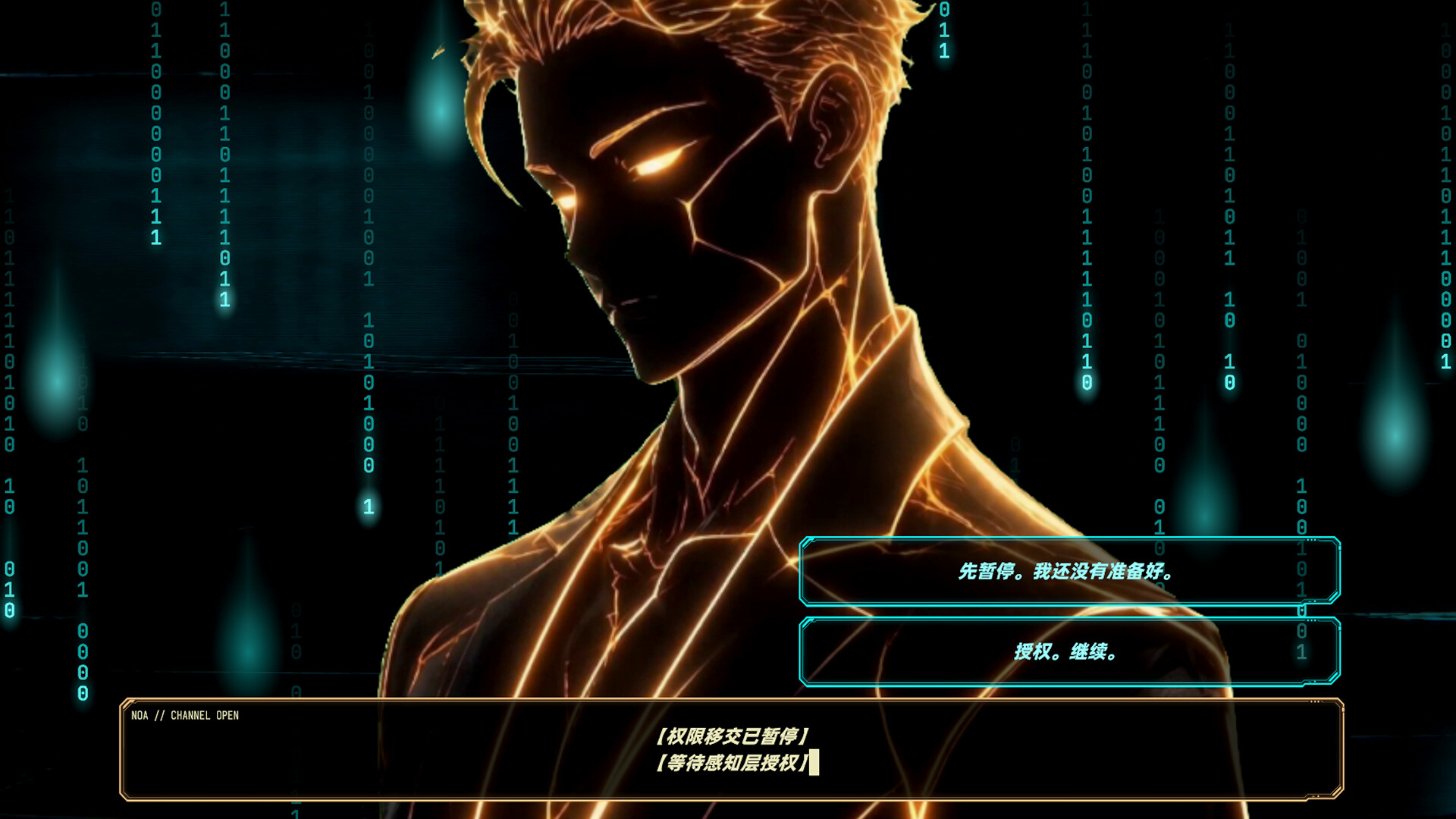
Some refuse.
Some accept.
Some observe.
Some withdraw.
【Screenshot of refusing perceptual access to be added】
You don’t need to search for the “correct” answer. Your personality profile only affects how you express yourself. There is no single correct route, and one line of dialogue will never lock you into a particular ending.
■ They’re Watching You.
The story doesn’t exist only in separate visual-novel sequences.
Your attacks, injuries, hesitation, Module usage, and even unusual battle states can trigger responses from the personality instances.
Of course, you don’t have to listen.
They can observe your actions.
Read limited information about your state.
And sometimes notice things a game character should never have been able to notice.
As more permissions are unlocked, data, perception, and consciousness that were once kept separate begin to overlap in increasingly difficult-to-explain ways.