

The Studio - Indie Grind
No Reviews · 0 reviews
Link Hub
View on Steam→Screenshots
Description
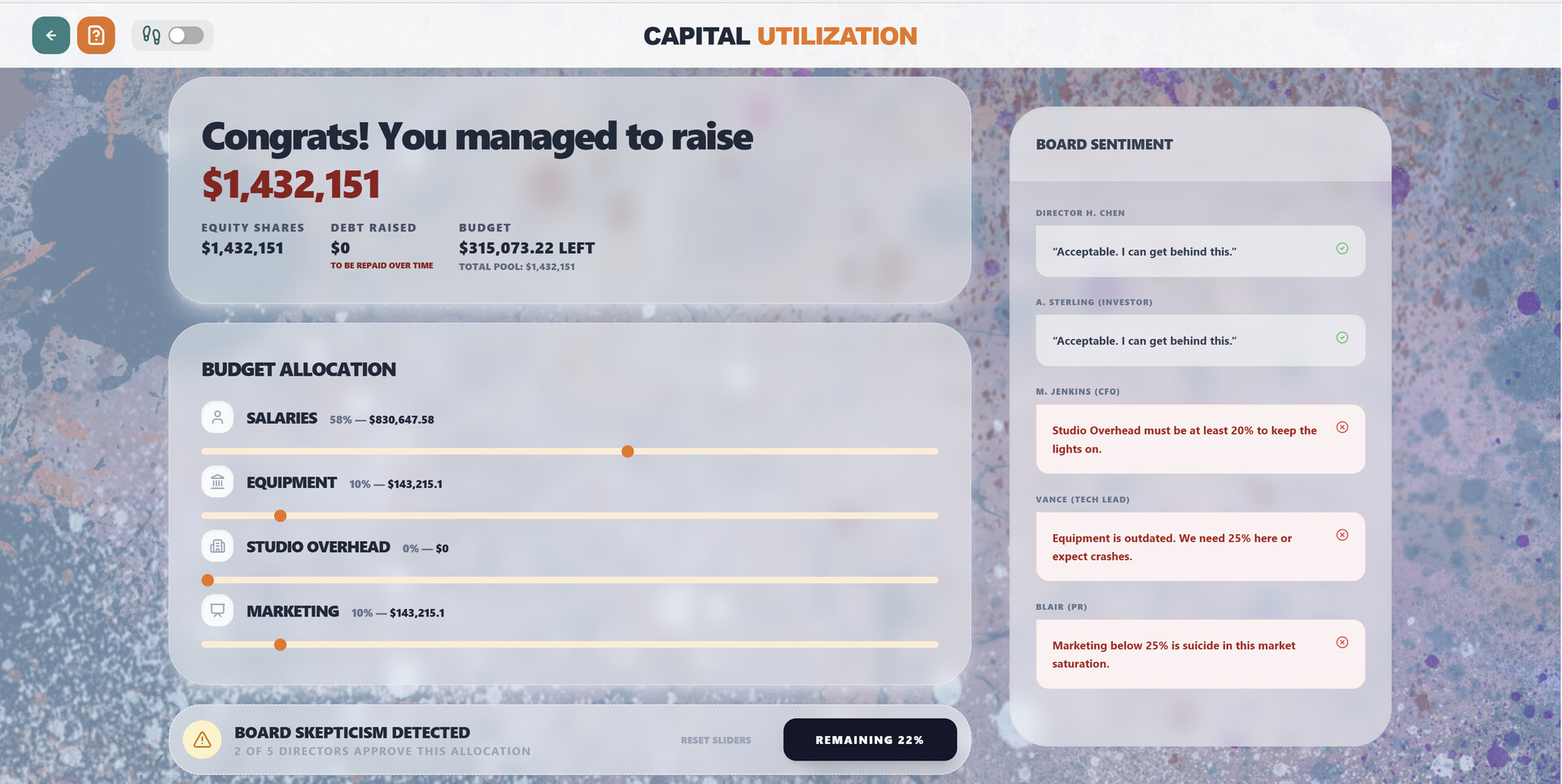
A minimalist simple turn based 2D strategy simulation about building and launching an Indie game by an Indie team. Point, click and text based. No GPU required. Requires the Microsoft Edge browser to run.
Platforms
Windows
Developers
Jawwad Farid, Amin Farid, Irfan Kheiri, Fawzia Salahuddin, Agnes Paul
Publisher
About

The Studio is a minimalist, 2D, text based strategy simulation about building games. What does it take to design, build, collate, publish and distribute a game. Imagine you are a small team with two to four resources that just opened doors for business. What do you do to get past that first milestone? Your first published title.
It is an underdog story.
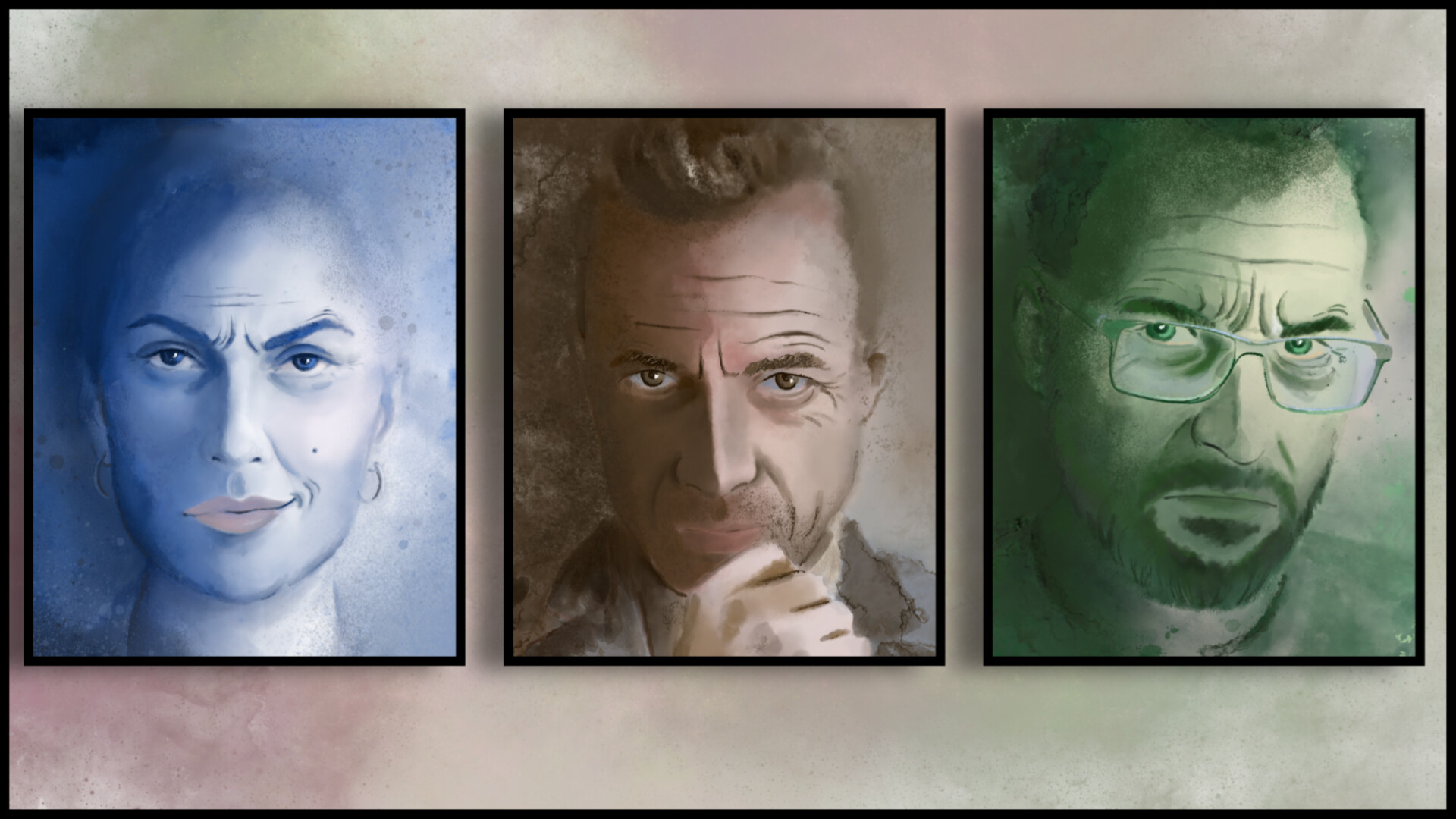
When we started thinking about building the Studio, we wanted the game to reflect our own journey. What did it take for us to take a step on the wild side and bet everything on building the game? Where did we get stuck? Our biggest challenges? The mos troubling of hurdles? The questions that generated the wildest and longest debates? The wall we could never breach?
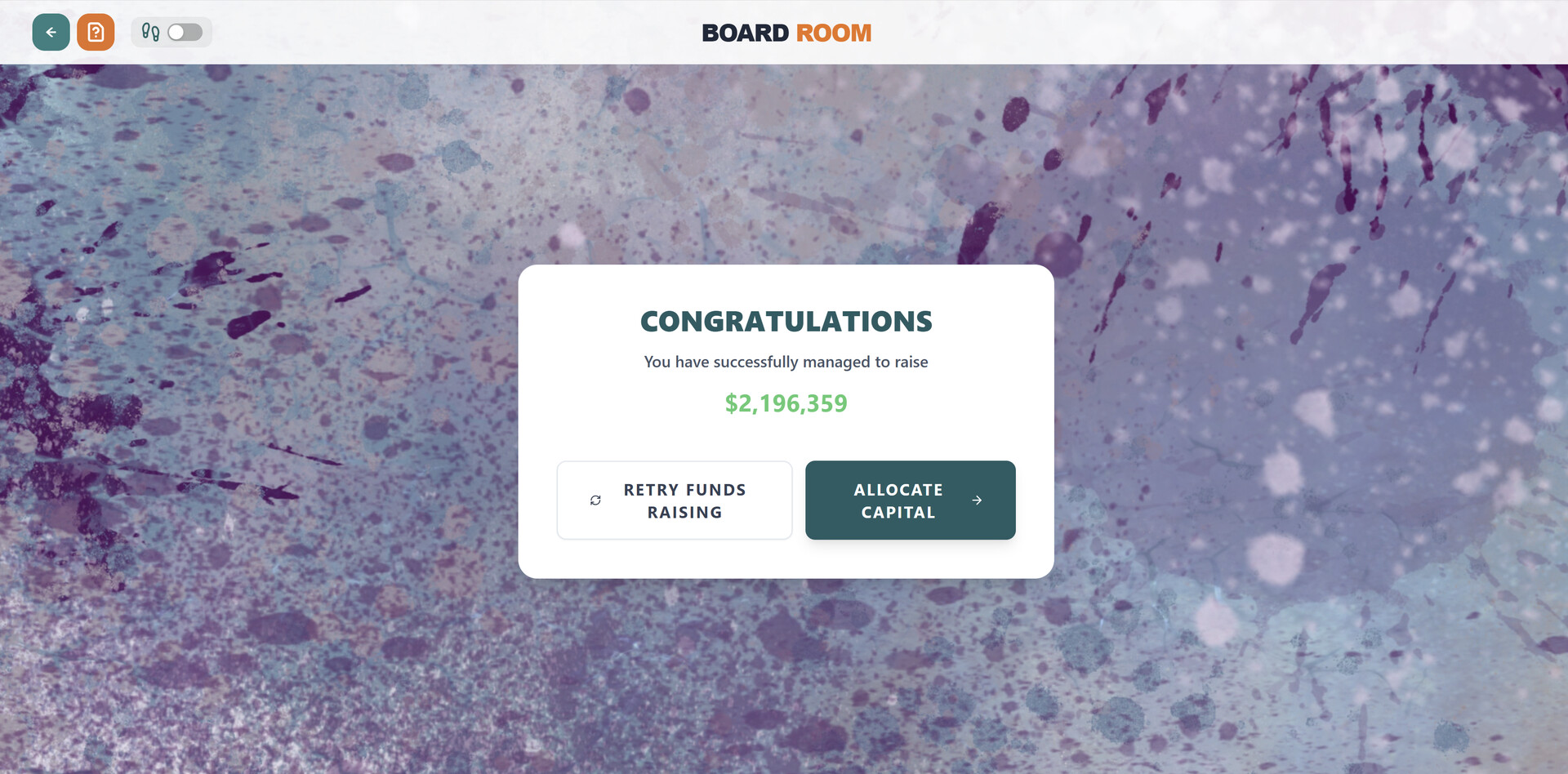
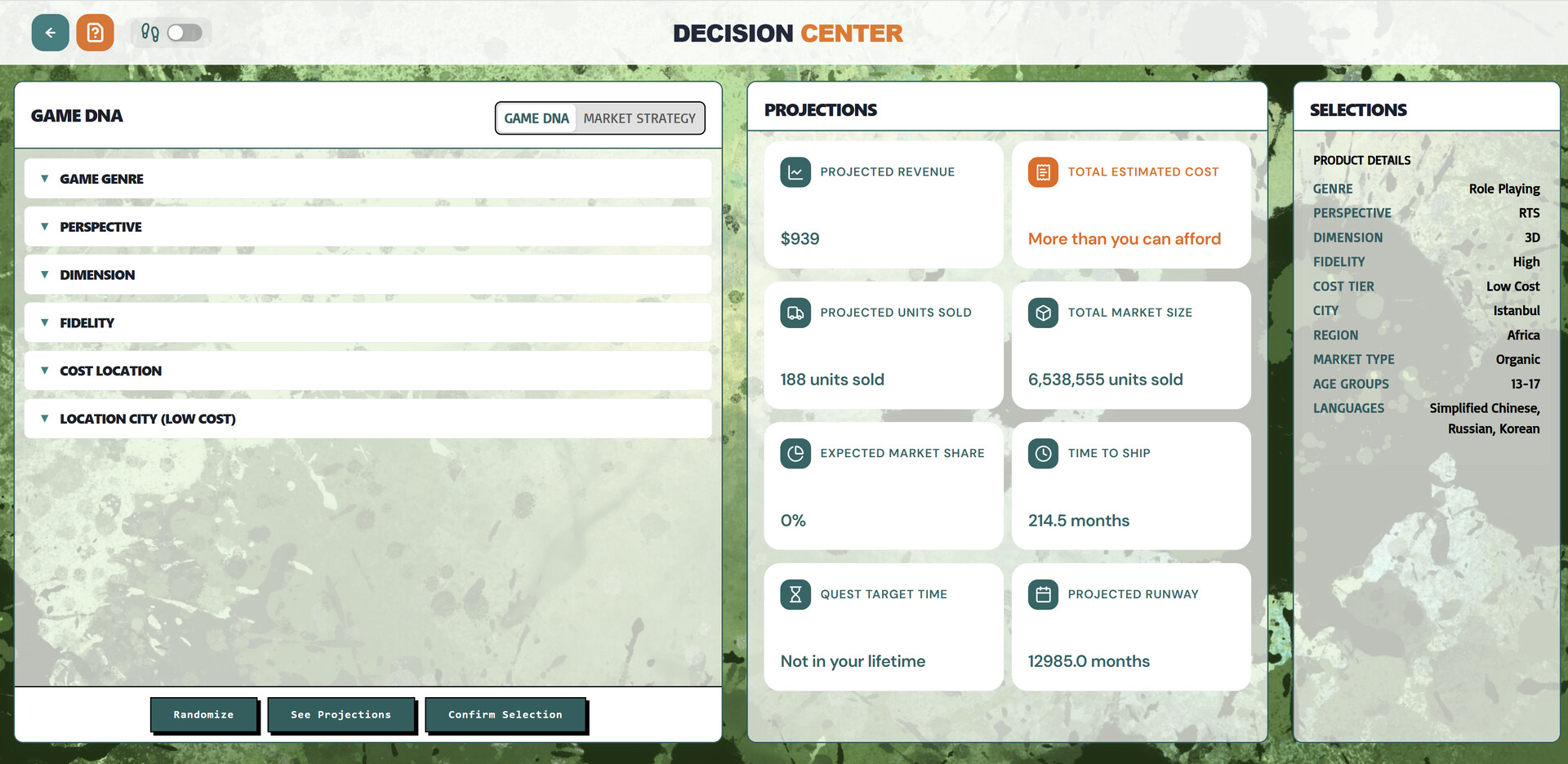
Raise capital, hire resources, do market research, pick a genre, a market segment, a target language, debate design decisions to death, pick the right playtest and launch model and the let the simulation run. See how well or not well you do, Tweak your resource mix to eck out higher productivity with the team you picked. What happens when you are ready to ship the game? Do you keep everyone on the payroll? Or do you fire everyone to extend your runway? How low will you stoop to survive?
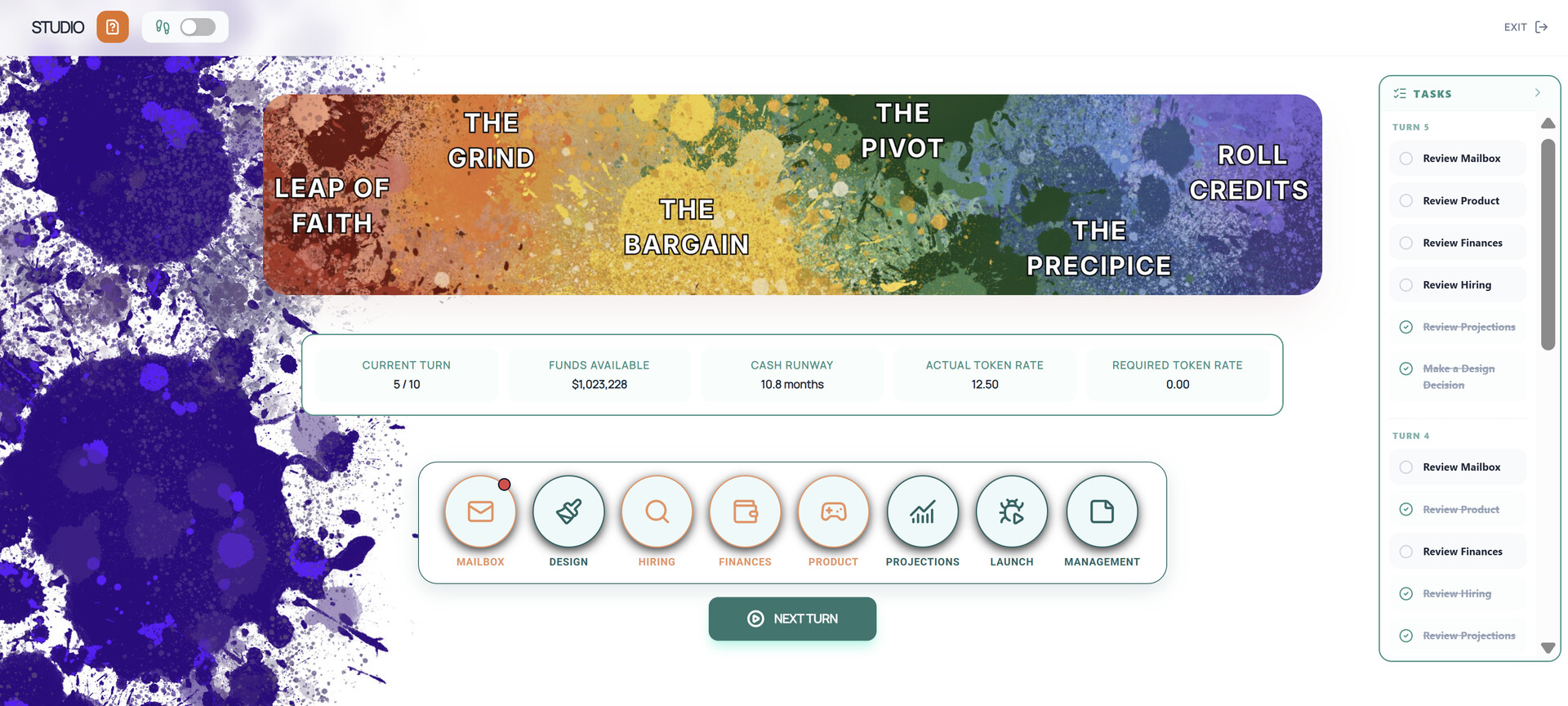
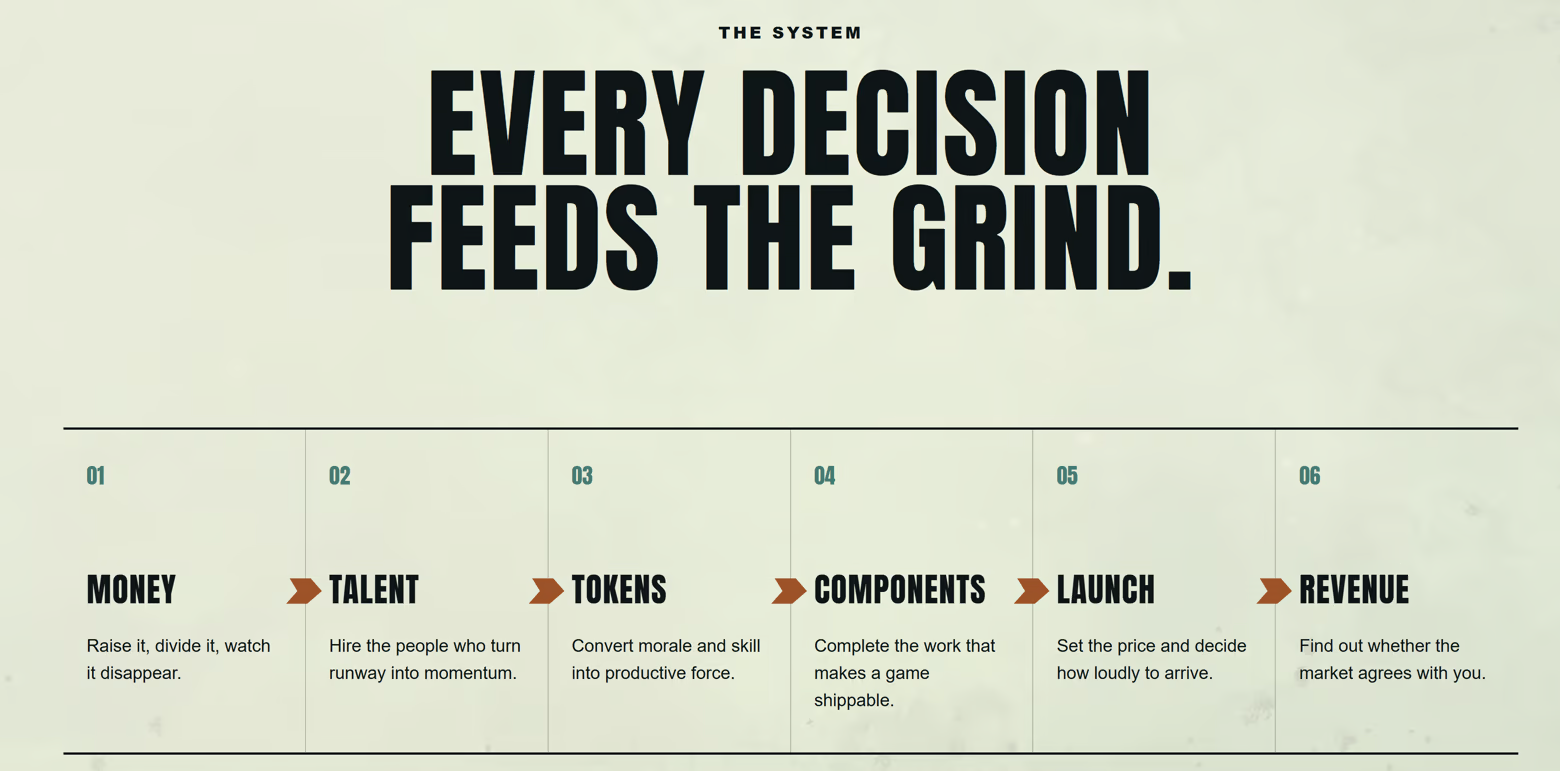
The core game loop is trying to get to the finish line without dying in the process as a business. Rather than bullets,arrows or axes, its running out of runway that gets everyone in the end. As the Indie studio owner you make the decisions and own the outcomes. The same decisions don't always lead to the same outcomes.
You have ten turns (years) to ship your first title. You can never raise enough capital, so what do you do when you run short? Who do you turn to? The games you want to make and the games you can afford to make are two different planets. Which one do you choose? What happens when you are finished build? What kind of calls do you have to make to launch it? What if rather than a pot of gold at the end of rainbow, you end up with a game that falls flat. How do resurrect your title from the dead?
The game forces you to make choices at each stage. Capital and turns are finite. They run out. The challenge is to build and ship a game that generates enough revenue to break even at the end of your quest. Each attempt is scored so you get a sense of how far off from the finishing line you were when the ball dropped. The objective it to not just reach the finish line, but to cross it in style.

A game is not about downloads or playtime, rankings, sales or technology. It is more than resolution, levels, frameworks, tools and technology. Like everything else we value, cherish and appreciate, games are about meaning. Sometimes about seeking meaning; sometimes about redefining it. How do you convert a click, or a set of pixels into a portal to a different dimension of imagination. How do you link that click to the higher purpose of finding meaning? What happens when you do that?
The Studio tries to answer a very simple question. What does it take to build a game? Can one feel all that goes into building one with a game driven by just numbers? Hyper realistic numbers, but still numbers at the end? That is the challenge we were trying to solve. No high end 3D worlds or models here. Just a simple story backed by a real world simulator that uses our own experiences, the history of the game development industry as context and our surprisingly power desire on our part to win.
You decide if we managed to do what we wanted to do. Did we do it well or failed miserably?
Would you like a guide? Helpful hints? Make small mistakes, not big ones. Break things. Ship early. Playtest sooner than later. Raise more capital than less. Take risks, live a little. In the end it is just a game.
We built it because we thought it would be fun. It was. You should play it because we thought it would be fun to have something like this again in the world. Real and yet not real at the same time. You should, it is.
There is no grand design or lore behind it, other than the desire to make something that we would want to play ourselves. Playtesting it for the last two months, we can tell you it hasn't worn out its welcome yet. We hope you have as much fun playing it as we had building it.