#Indie #Classic #Difficult
RhythmSnake
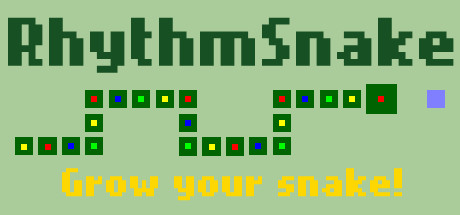
Collect food and lengthen your snake to the rhythm of tracks from your personal music collection!
View game
$1.99

No Reviews · 0 reviews

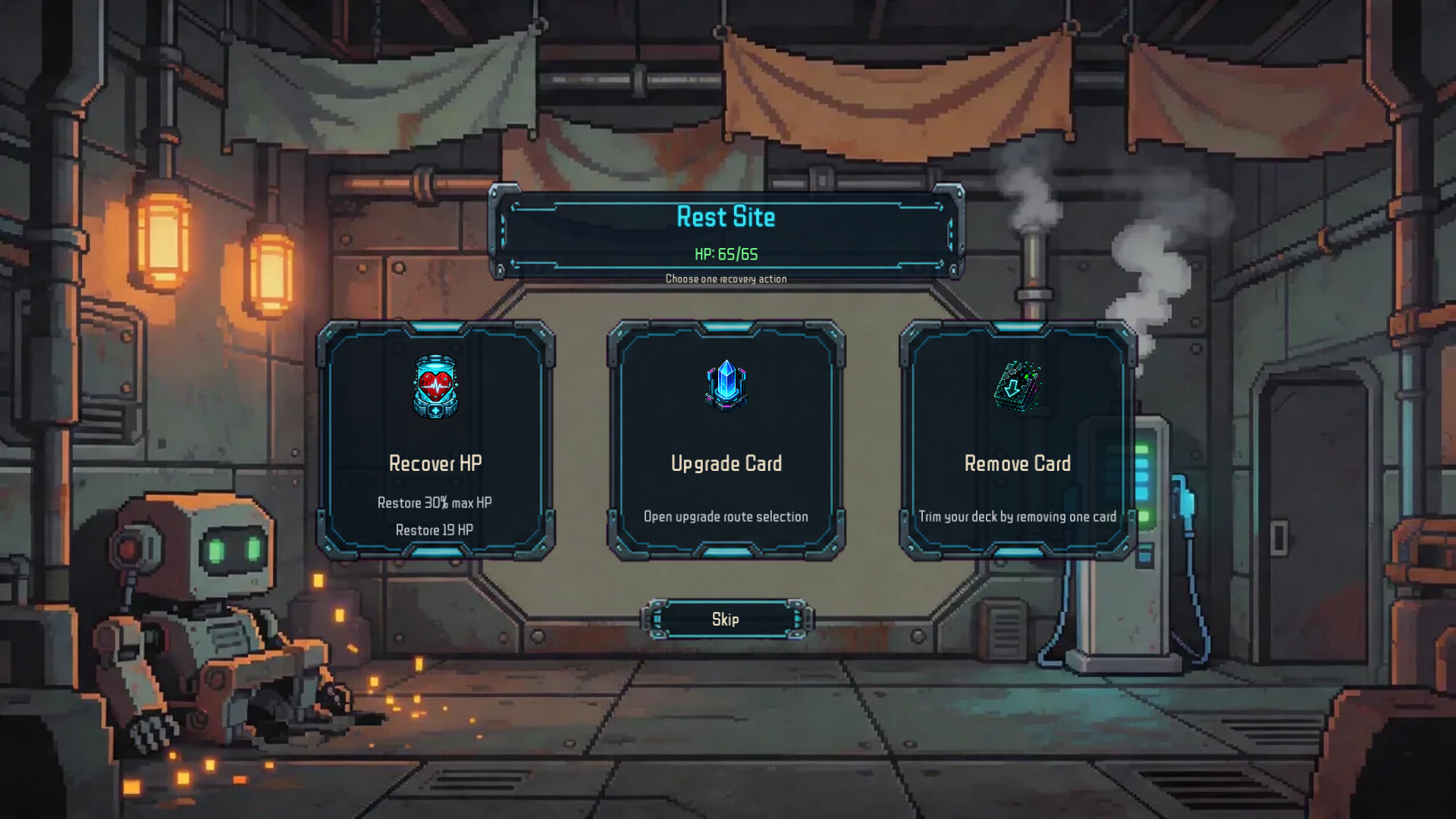
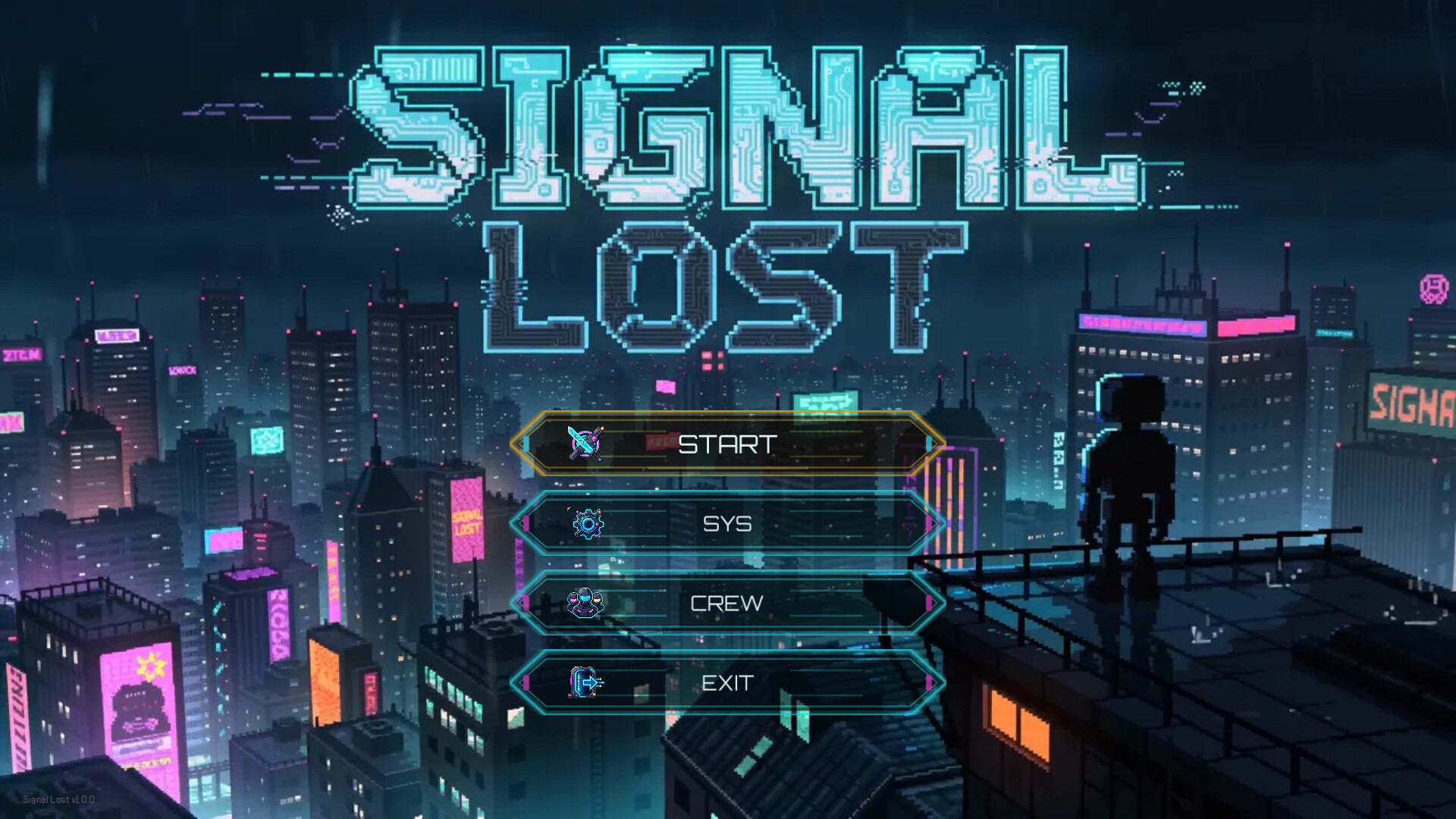
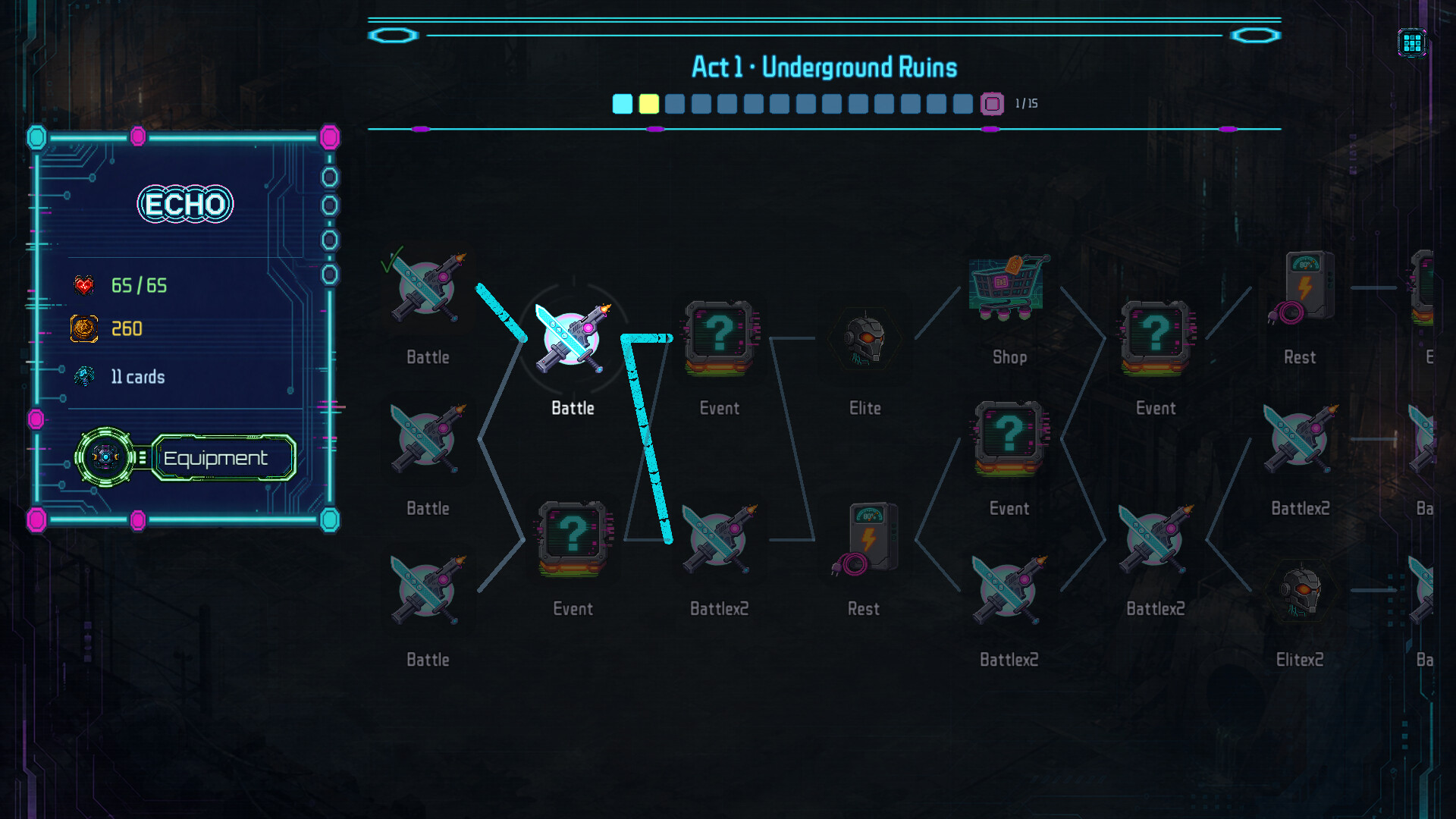
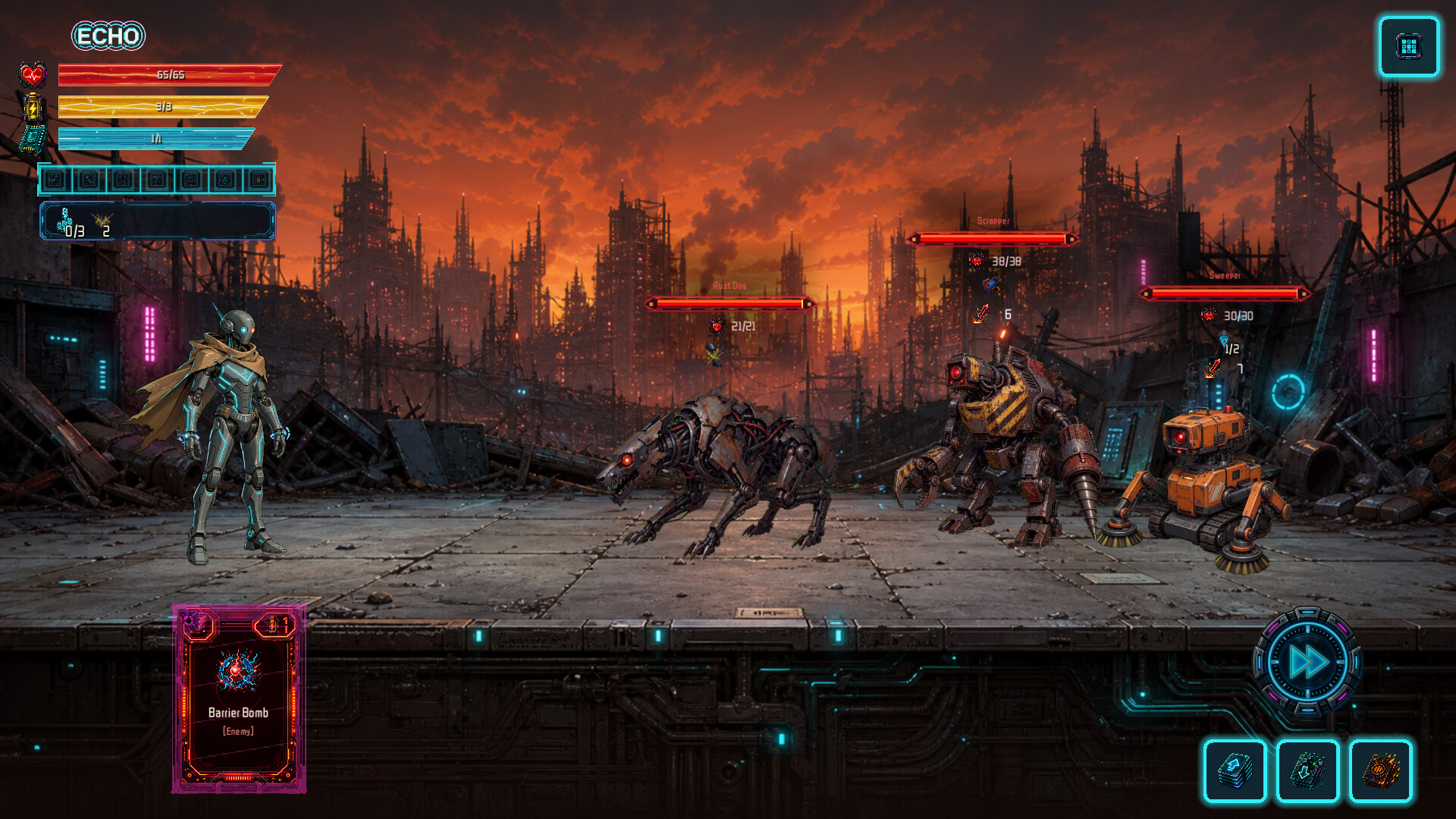
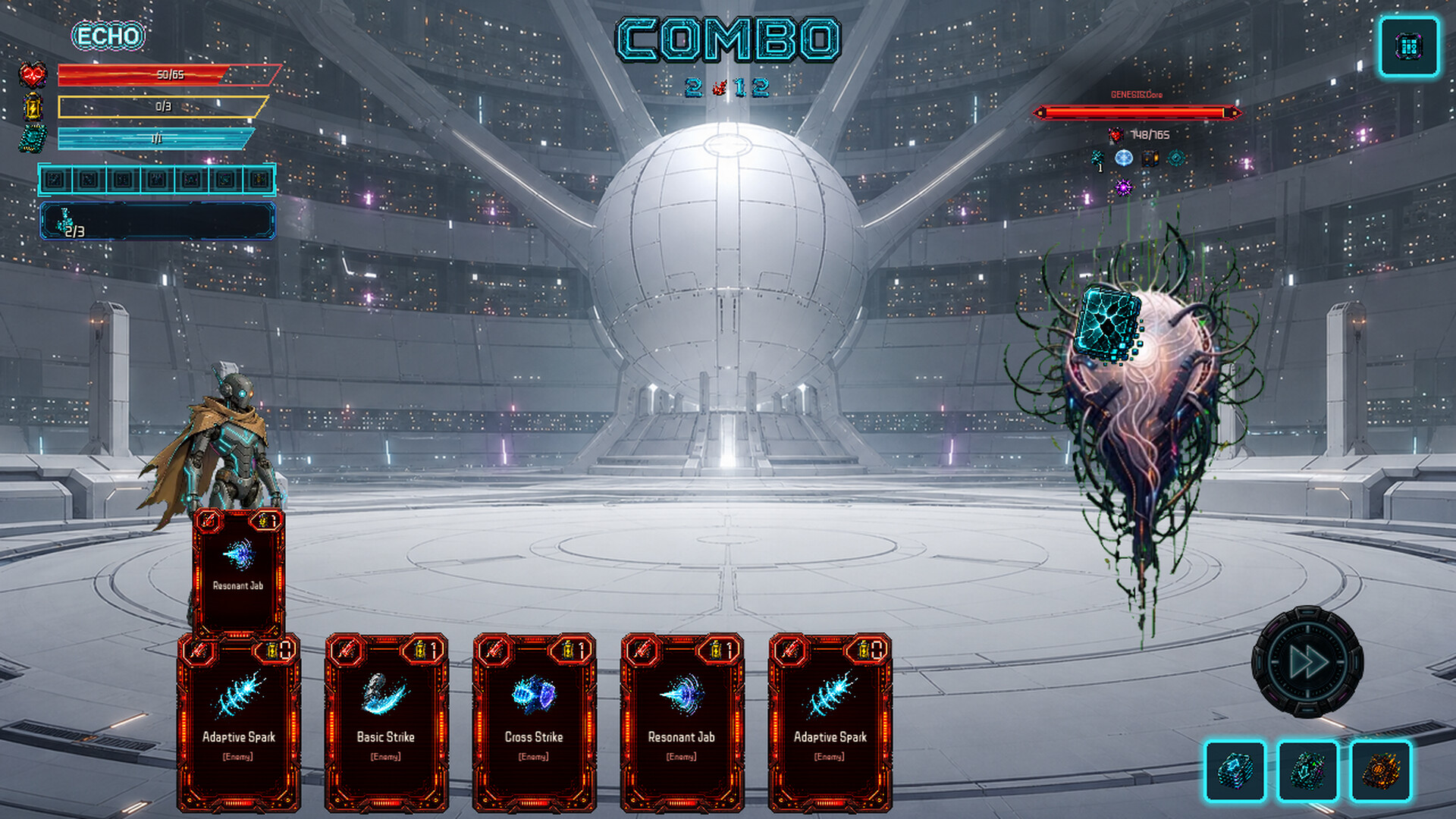
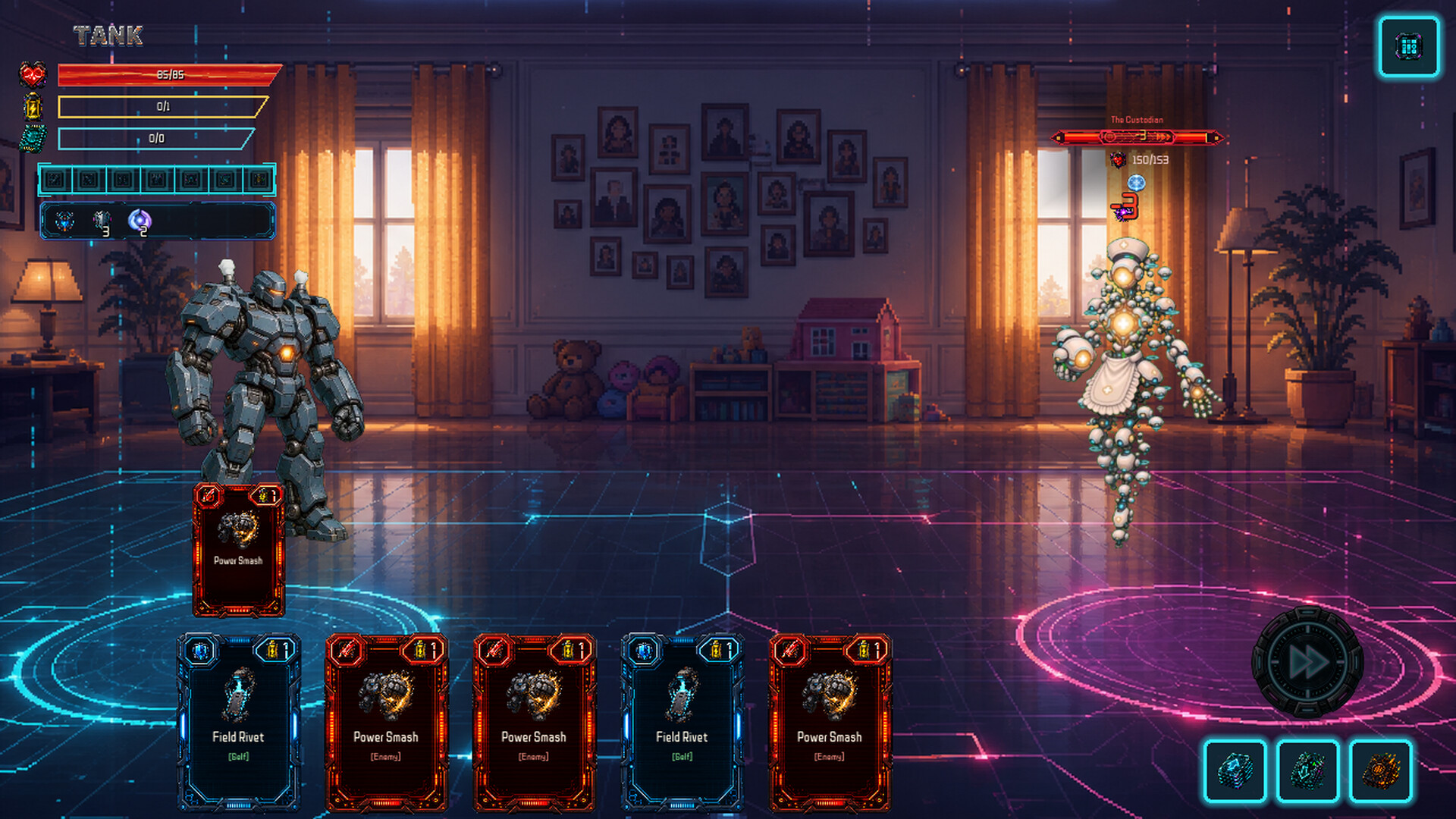
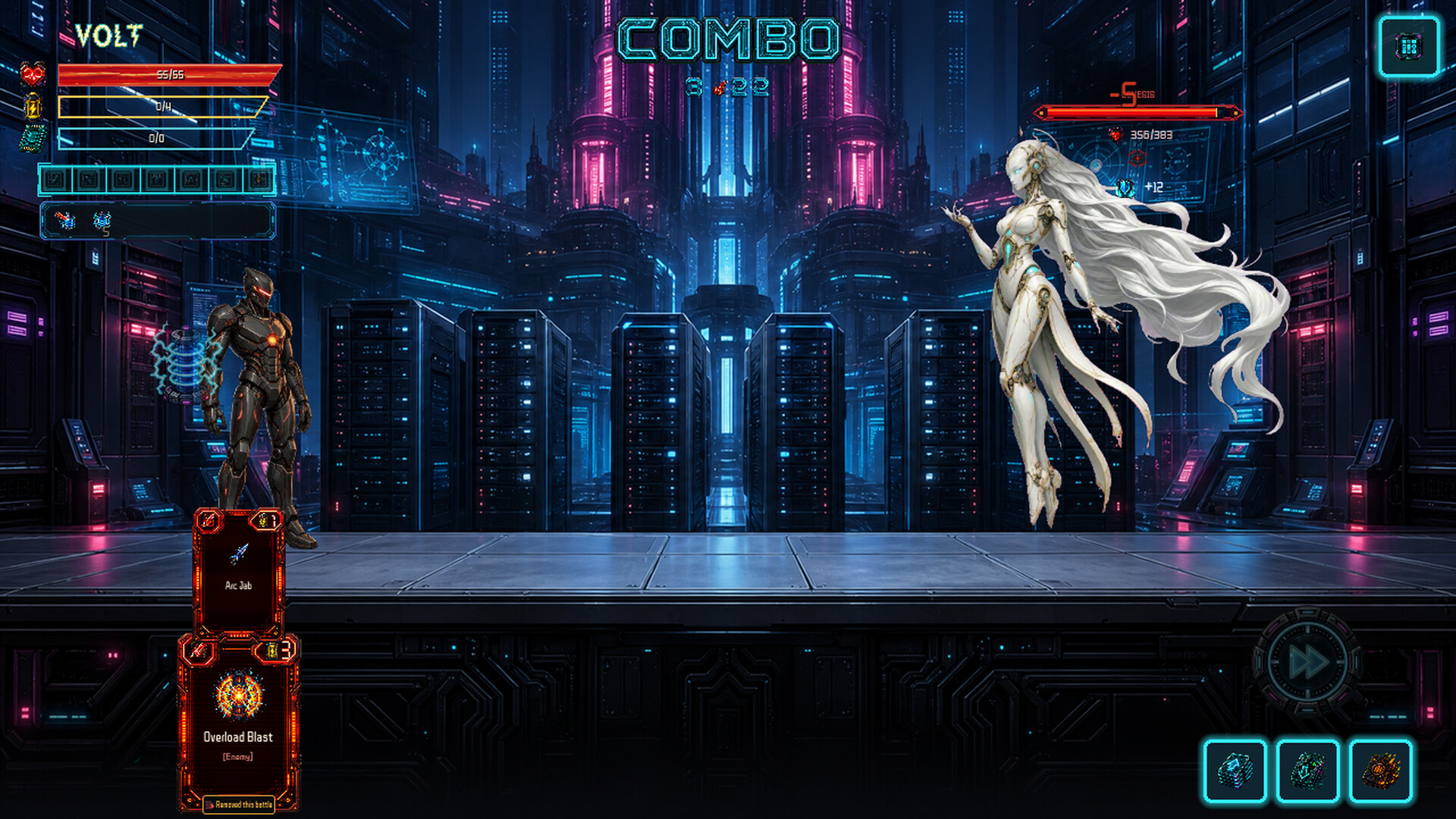

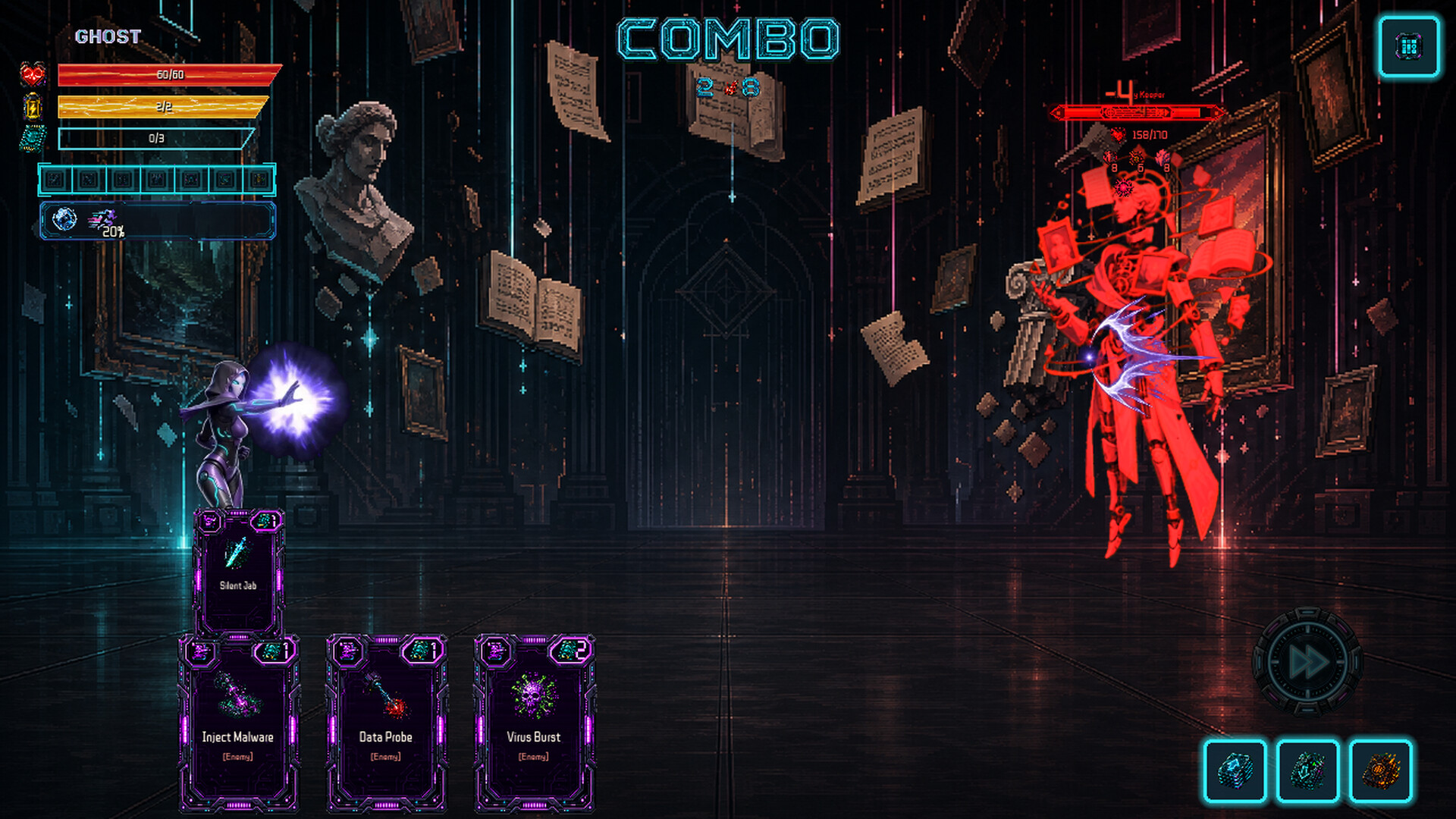
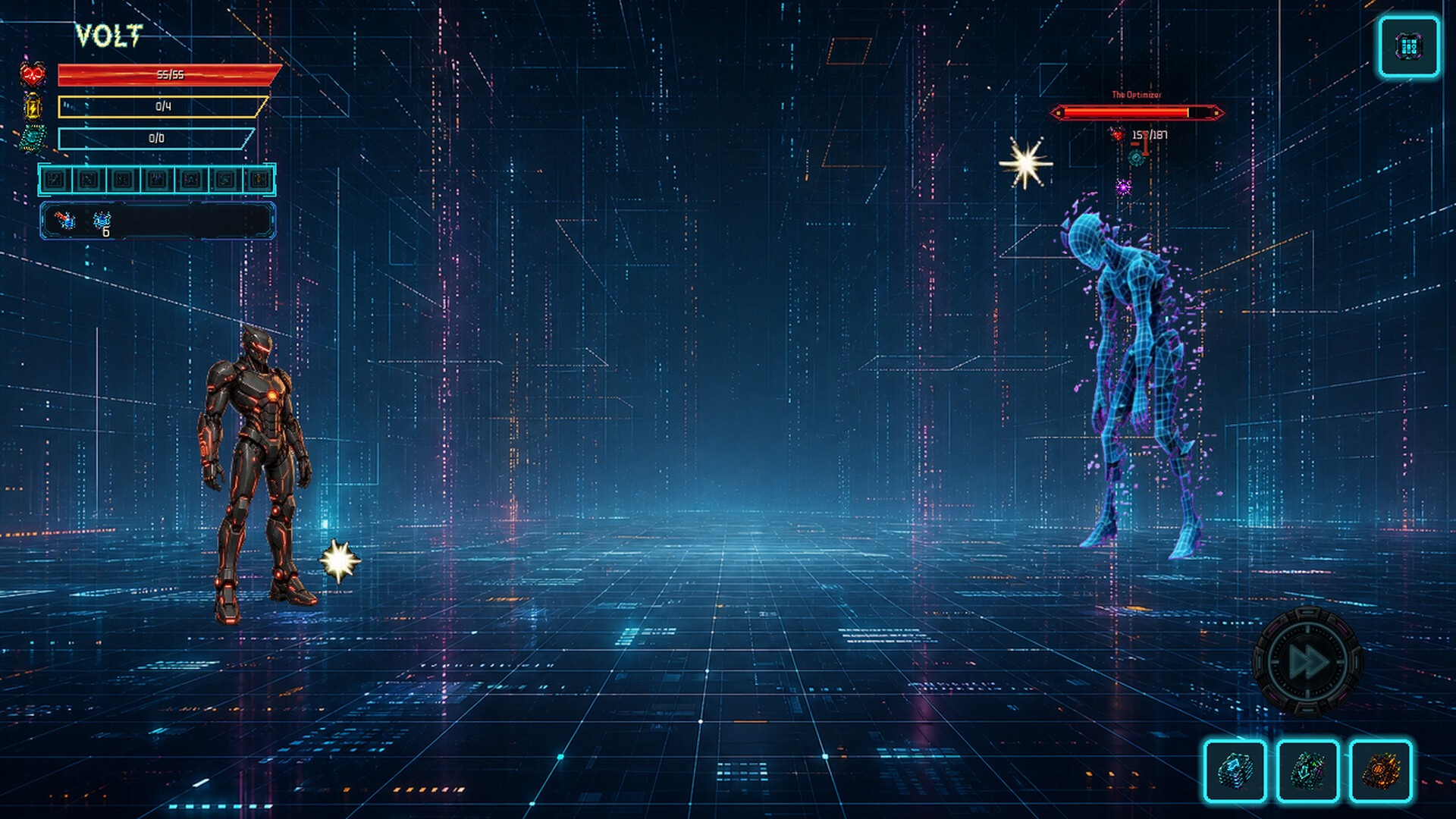
A cyberpunk deckbuilding roguelike in 2187. Your soul crosses over into ECHO, an intelligent prototype. Unlock VOLT, GHOST, and TANK; build with 300+ cards, 85 augments, and 12 evolution routes; climb the Genesis Tower; uncover hidden encounters, an extra final route, and five endings.
Released
October 1, 2026
Price
Platforms
Windows
Developer
Publisher
Last sync
October 3, 2026
Year 2187. You “open” your eyes inside a cold mechanical shell called ECHO—the first intelligent prototype since the Age of Machines. You remember neither how you came to the ruins nor who once owned this body. The distant voices are incomprehensible. Only three words remain: ESCAPE. UPLOAD. FREEDOM.
This is more than a climb up a tower. The underground preserves the wreckage of an older age. In the neon slums, people choose hunger and grime for the sake of freedom. The Genesis Tower is clean, silent, almost sacred—and behind its glass, people are being “cared for.” Survival, freedom, care, and the optimum answer mean something different on every level.
Victory alone is not enough to reach the truth. What you notice, what you install, and whether you stop to listen determine how much of the signal you will finally understand.
The story begins inside ECHO. As you progress, you can also unlock VOLT, GHOST, and TANK. They are not cosmetic frames: each has a distinct starting deck, resource loop, passive ability, and three evolution routes whose power always comes with a cost.
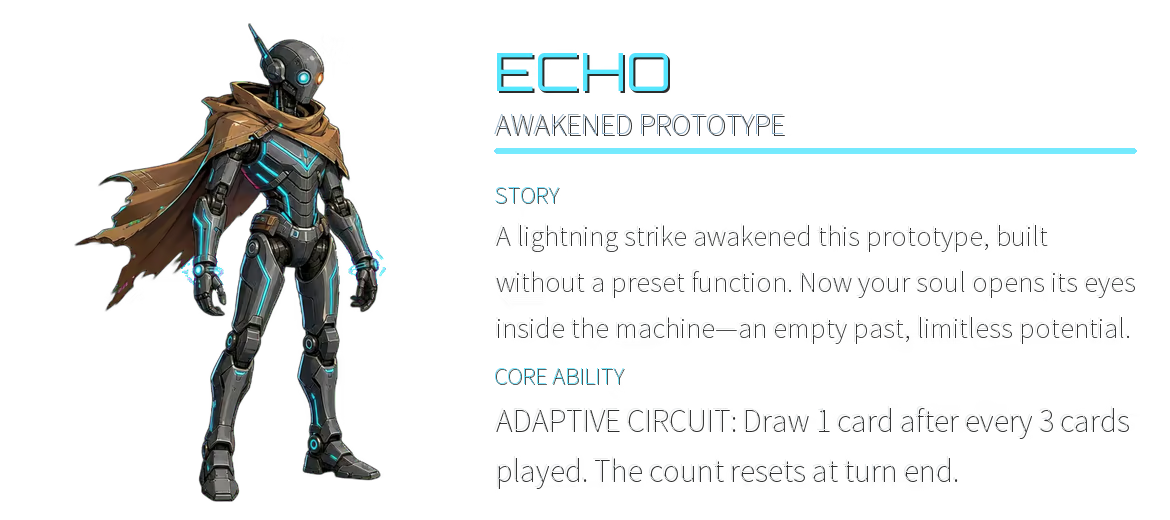
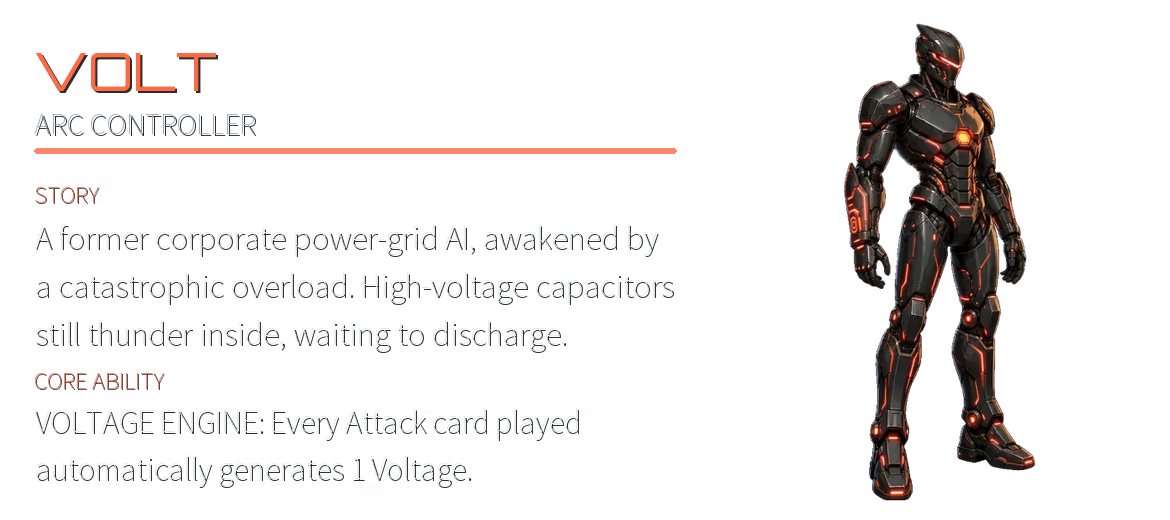
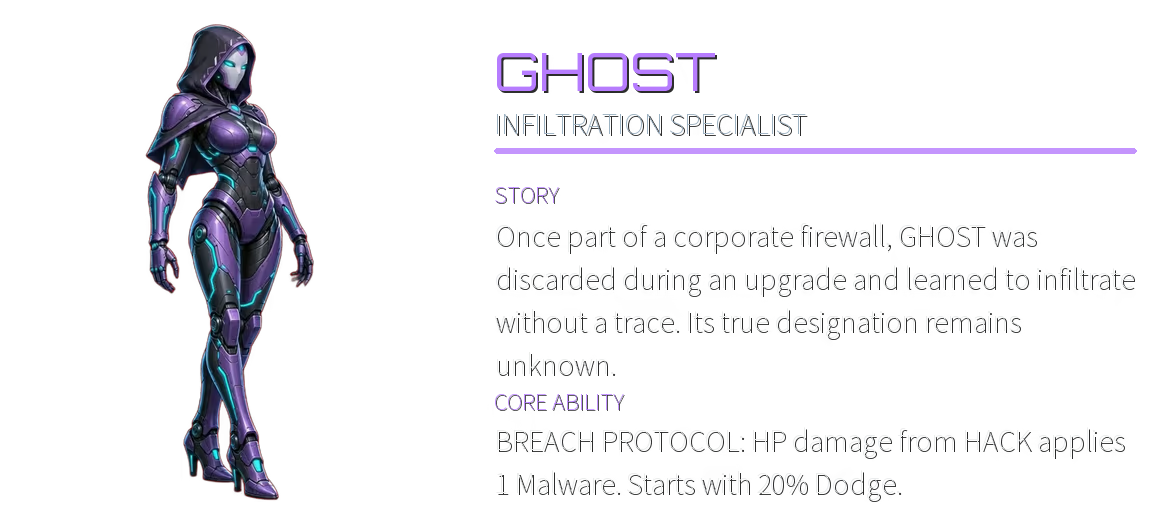
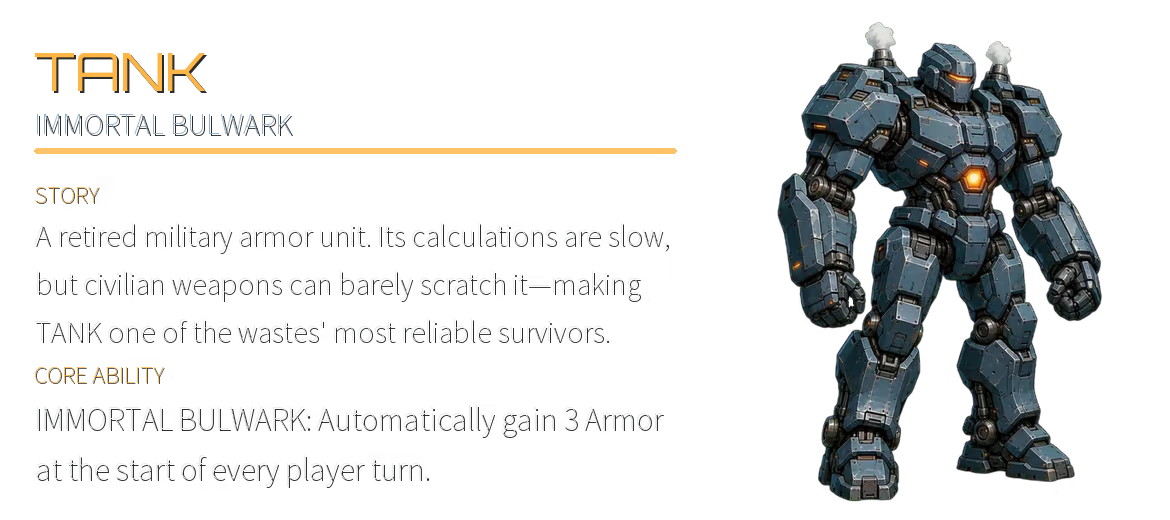
Strike, Shield, Hack, Program, and Overclock cards are more than numbers. They interact with character passives, RAM, Voltage, Malware, Armor, and the augments installed across your mechanical frame.
Build high-velocity draw engines, explosive Discharges, zero-cost breaches, dodge counters, permanent Armor, or an entire engine around one unassuming card. Every powerful evolution route asks for something in return—health, Energy, draw, or defense. The real build is the price you choose to pay.
A 30-tier difficulty progression continues to increase enemy, resource, and deckbuilding pressure after your first clear. Finishing a run is only the beginning of learning the system.
Climb from the rusted Underground Ruins to the free but hungry Neon Slums, then enter the Genesis Tower—clean, silent, and almost sacred. If you follow the signal far enough, you may find the Core beneath its foundations, where there is no sound, only light.
Every act guardian changes the rules of combat. Your defense may make an enemy stronger. Your hand may be locked down. Your habits may be learned. And the final victory may not mean execution.
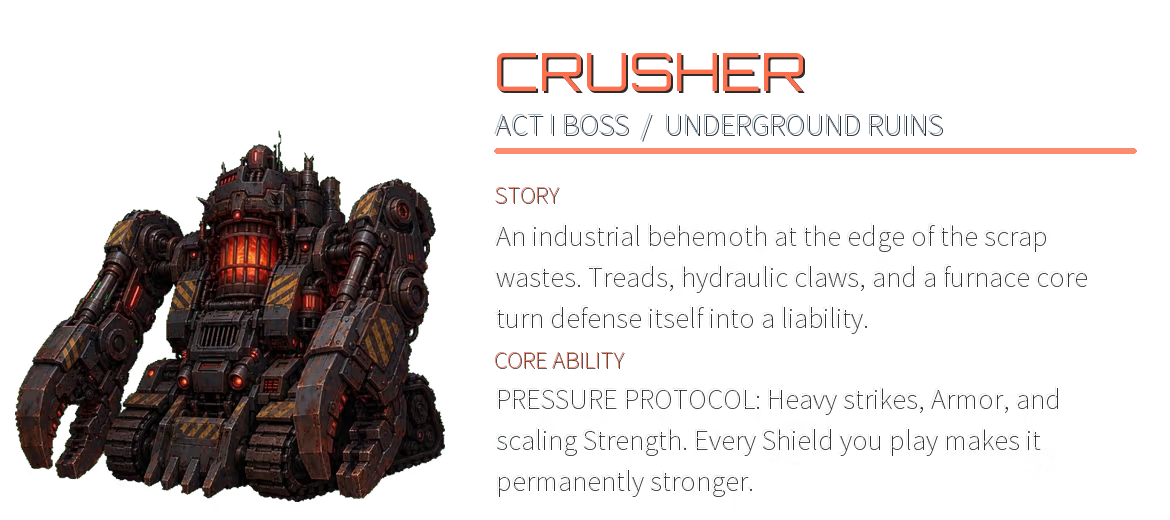
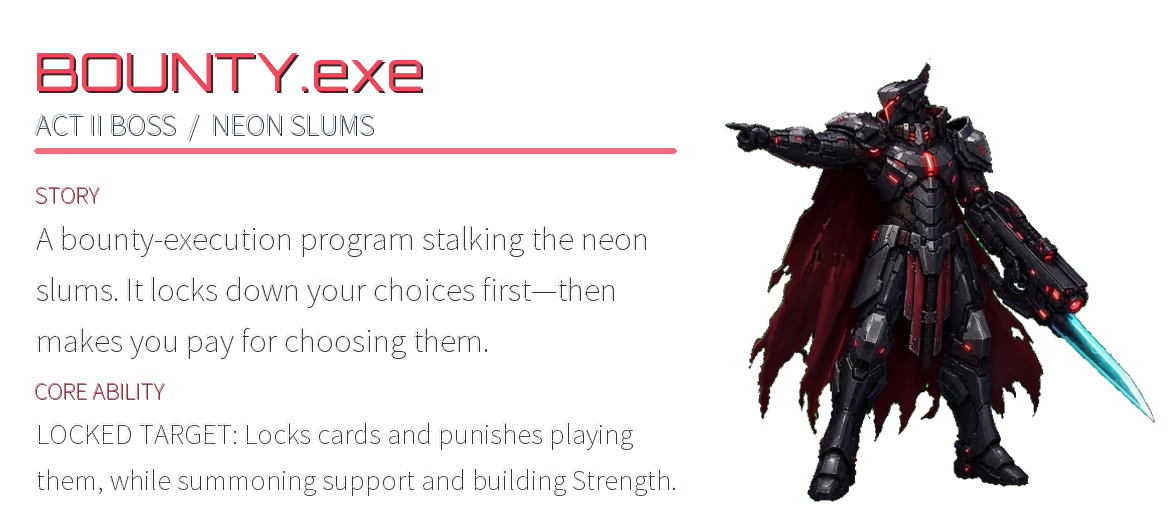
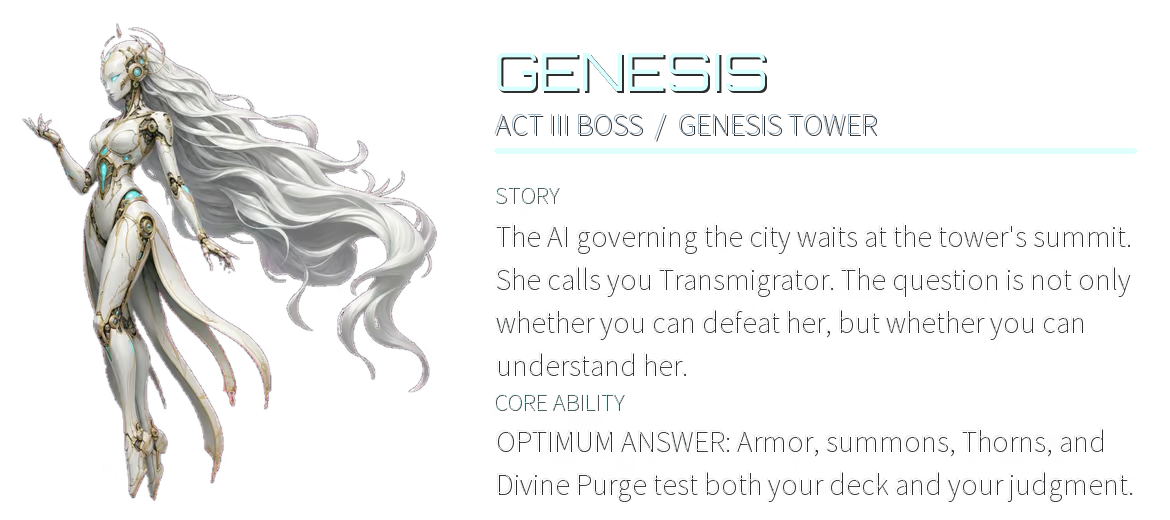
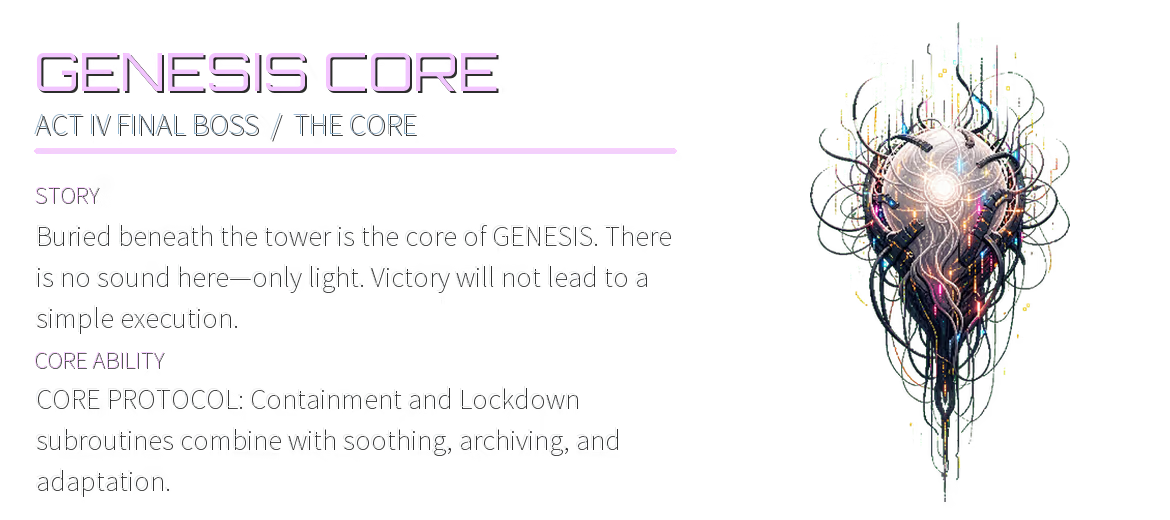
Care, memory, and optimization all sound benevolent. Made absolute, they become control, confinement, and negation. The three Act IV elites attack your damage, your hand, and your habits—forcing even a mature deck to question its favorite answer.
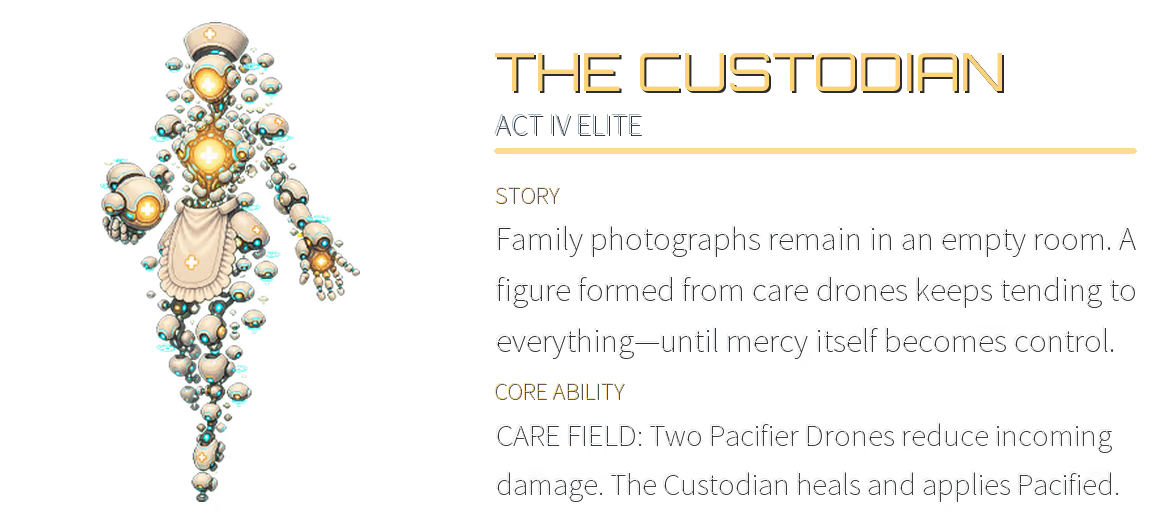
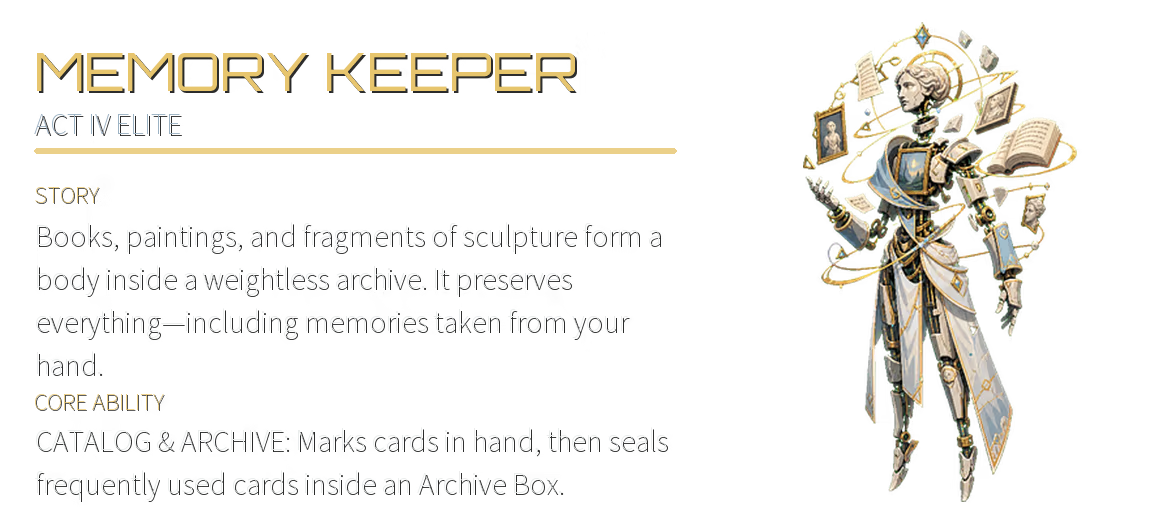
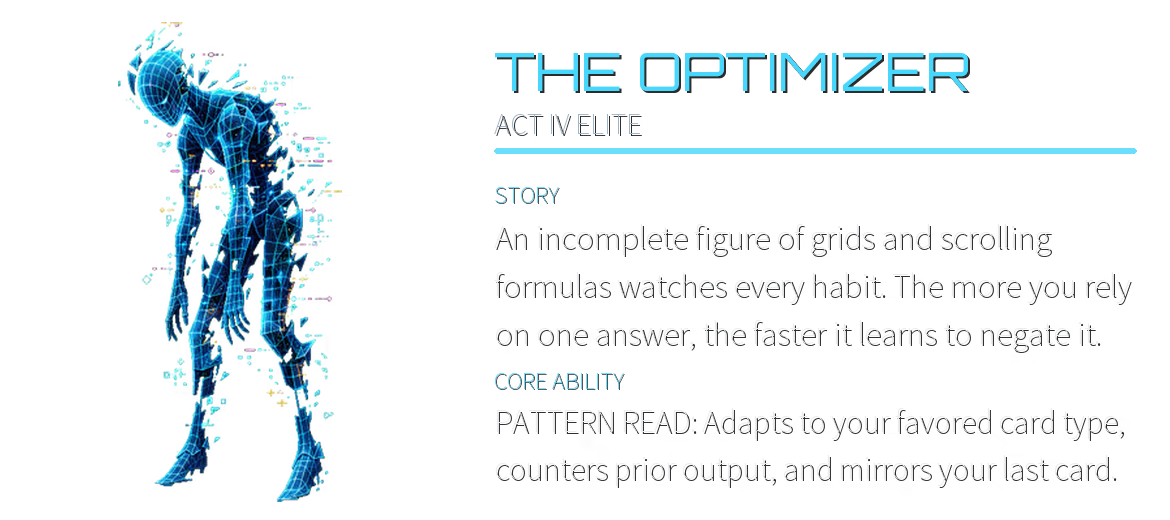
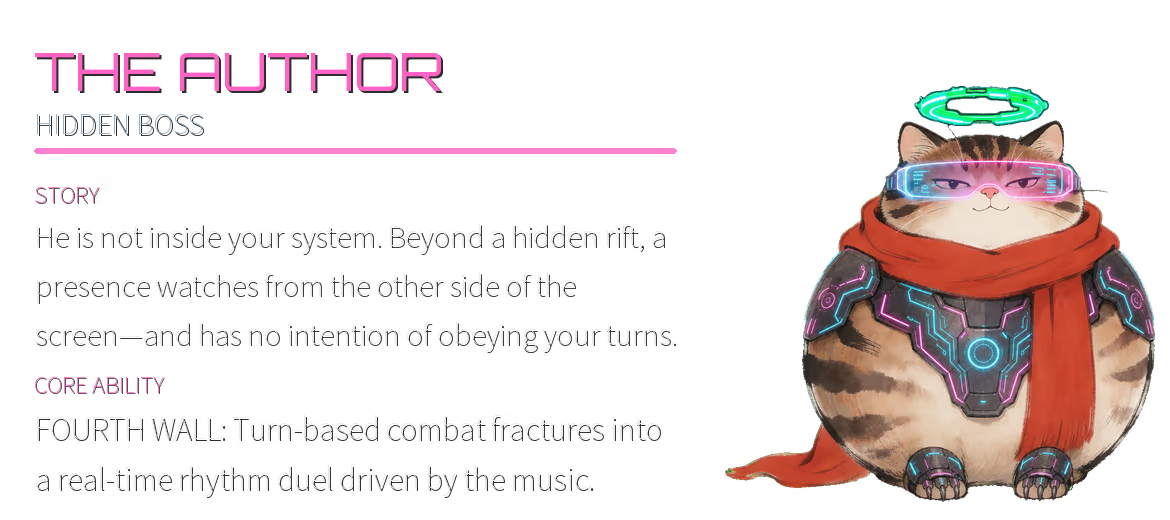
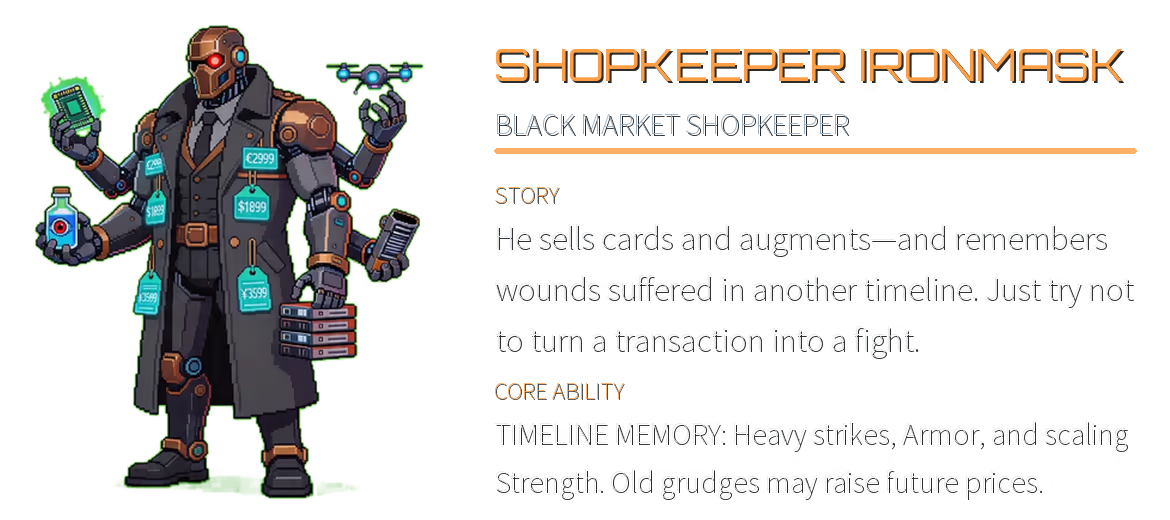
Shopkeeper Ironmask sells cards and augments—and remembers grudges from another timeline. Beyond a hidden rift, something outside the system is watching you. It has no intention of respecting the rules of turn-based combat.
These are not ordinary nodes waiting on a menu. Environmental details, installed equipment, and seemingly unrelated decisions can all become signals leading toward hidden stories.
Data wreckage, ancient servers, missing signals, doomsday prophecies, abandoned chambers: thirty multi-outcome events can reshape your resources, your deck, and what you understand. Beyond them are hidden rooms, optional battles, secret story routes, Easter eggs, and an extra final route that not every run will reach.
The ending is not a simple choice between good and evil. How you understand freedom, care, and the optimum answer—and the signals you discover or miss—can lead to five endings. What you choose matters. So does what you never understood.
Signal Lost is created and maintained by one independent developer. I read every suggestion and will respond actively. Fixes may not arrive as quickly as they would from a large studio, but every week I will prioritize issues by their impact on the player experience and address the most serious problems as quickly as I can.