

Imperium of the Stars
No Reviews · 0 reviews
Screenshots



Description
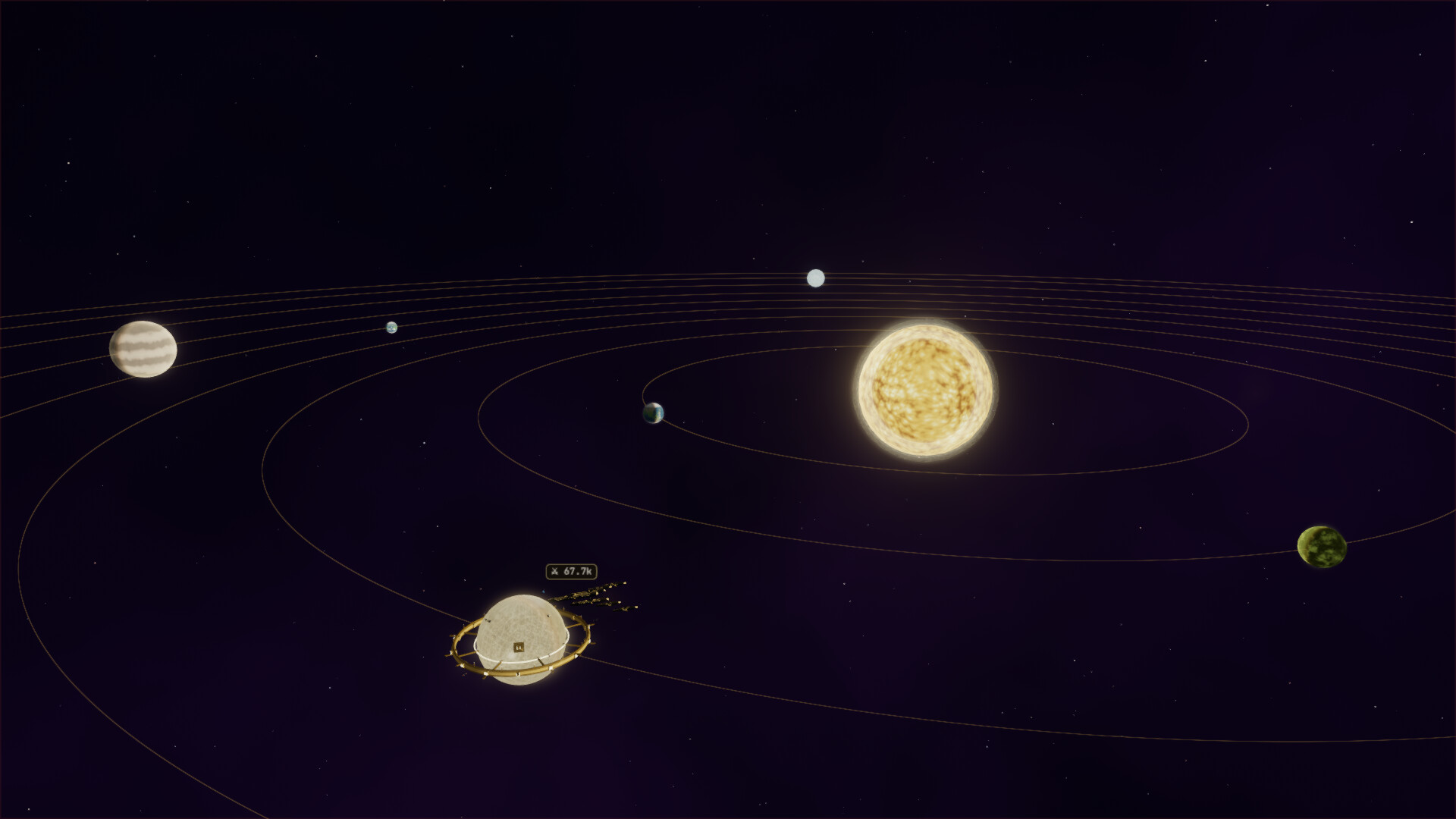
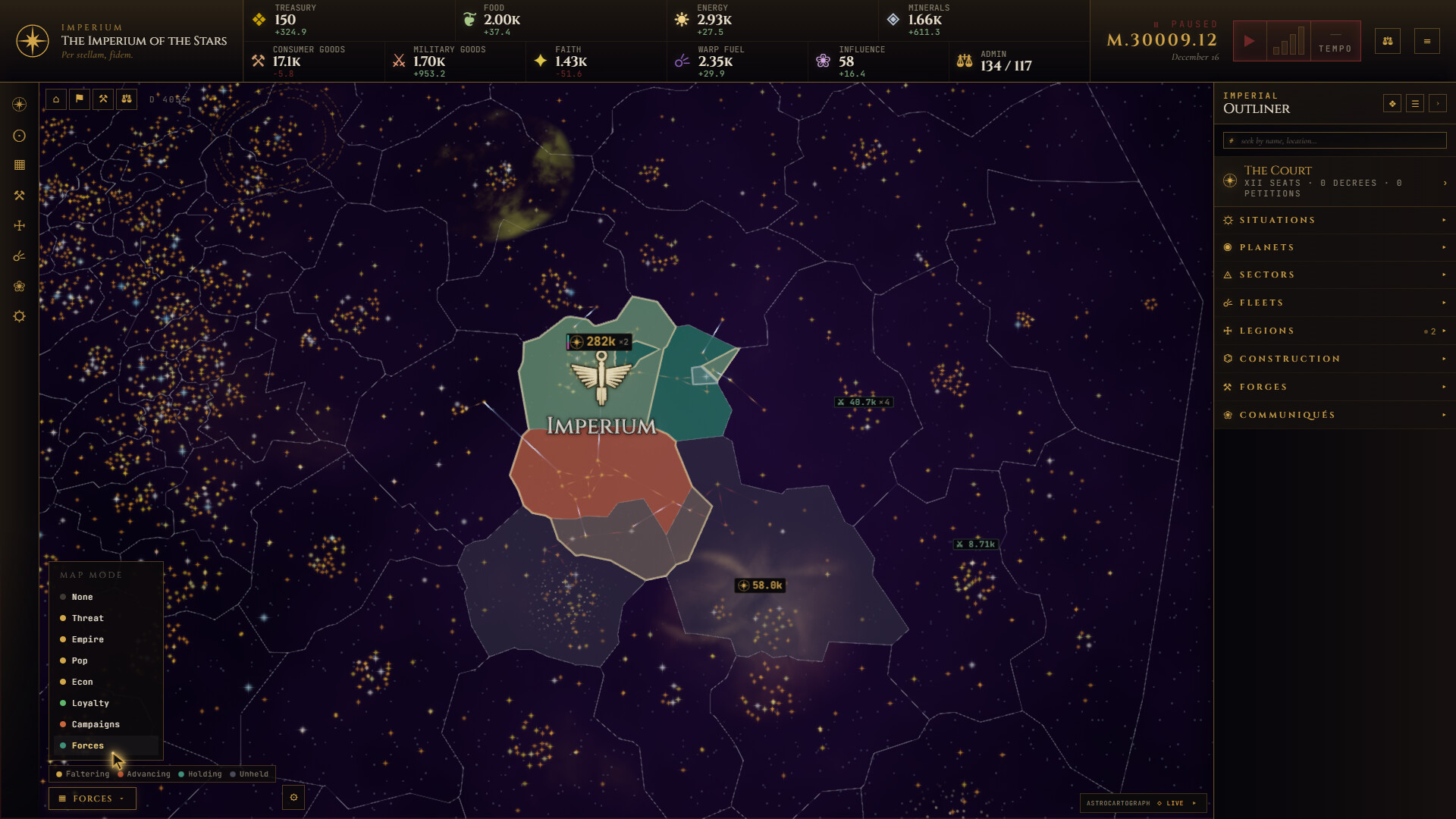
Real-time 4X grand strategy in a galaxy of cathedral worlds and institutions ten thousand years old, where three powers fight over the ruins the Long Silence left. Rule up to 10,000 star systems, use macro tools that work across the whole empire, with the numbers you need to decide in front of you.
Platforms
Windows
Developer
Hyrcronix
Publisher
Hyrcronix
About
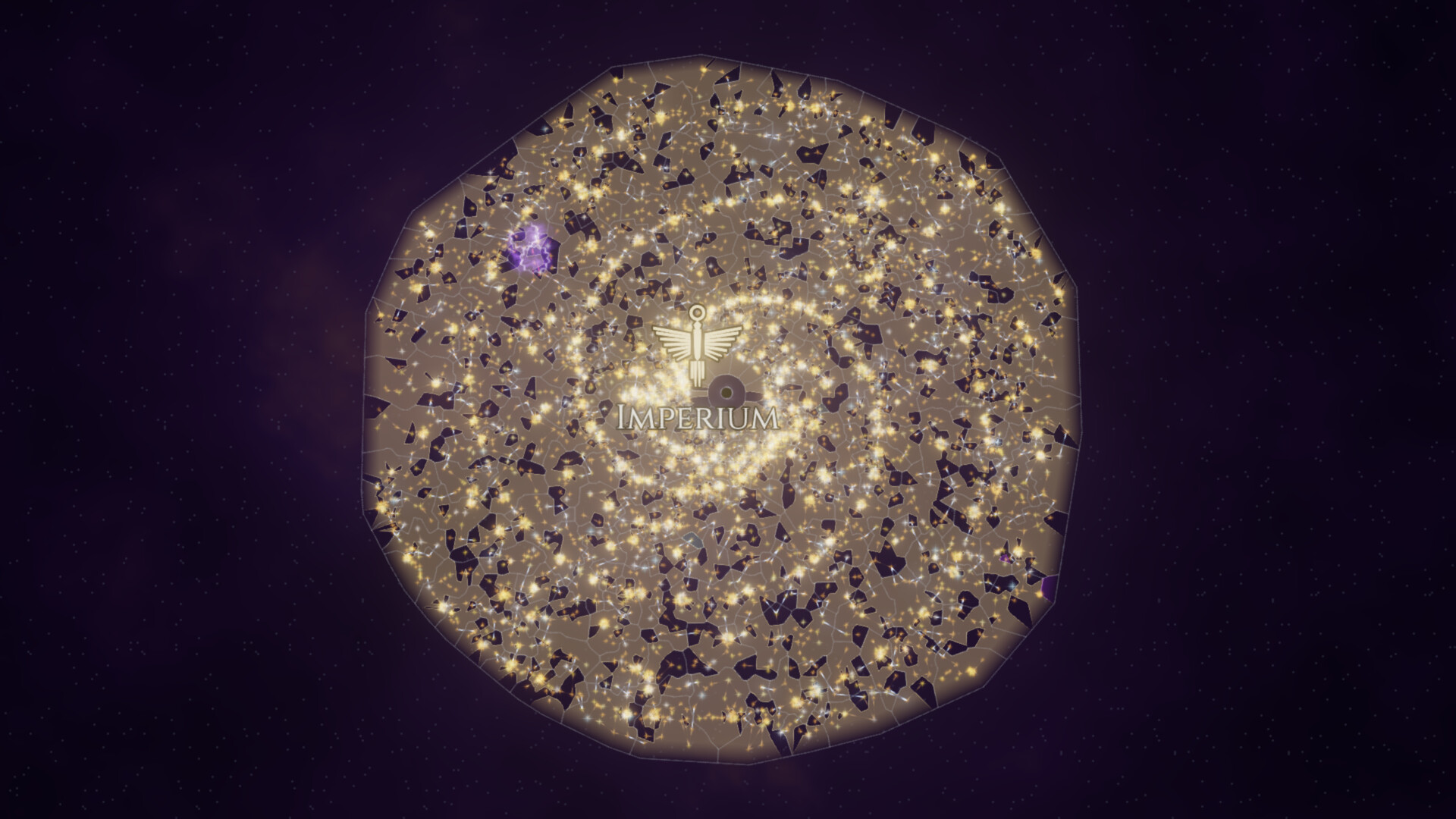
Imperium of the Stars is a real-time 4X grand strategy set in a Gothic Space Opera galaxy: cathedral worlds and institutions ten thousand years old, where faith runs like infrastructure. Take one of three asymmetric factions and fight over what the Long Silence left behind, across 1,000 to 10,000 procedurally generated star systems.
What survived is stranger than what was lost. Worlds were built as cathedrals and are still run as cathedrals, and the fleets between them are relics kept flying by rite as much as by engineering.
- 1,000 to 10,000 star systems, with configurable shape and compaction
- Three asymmetric factions, Separate mechanics, separate tech trees, different power structure and different abilities and actions you can do, every faction almost plays like a different game
- No diplomacy between the great powers. The war is permanent, and everyone plays by their own rules
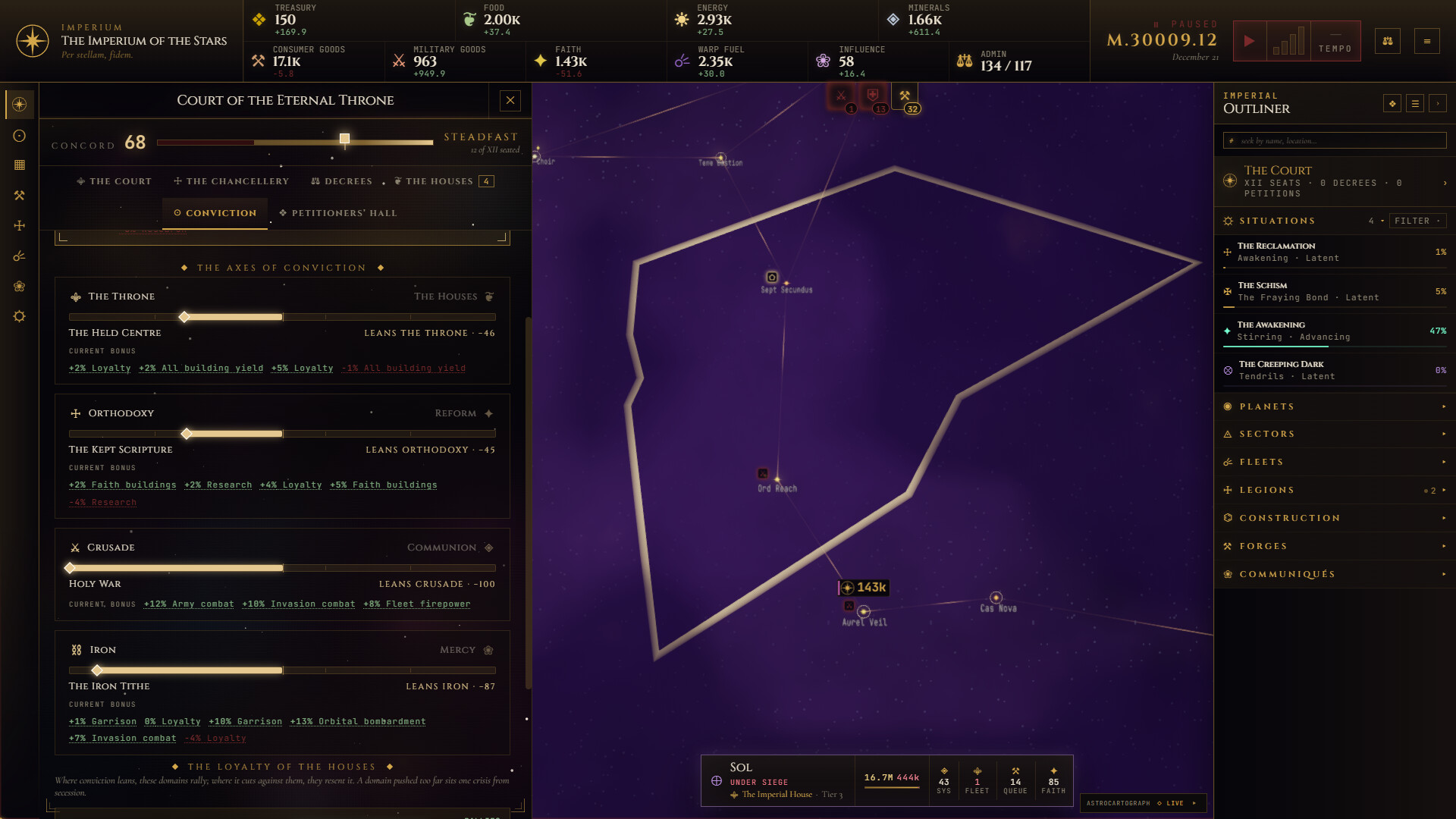
- Faith and loyalty are resources. Loyalty is kept by faith, and loyalty improves what worlds bring in
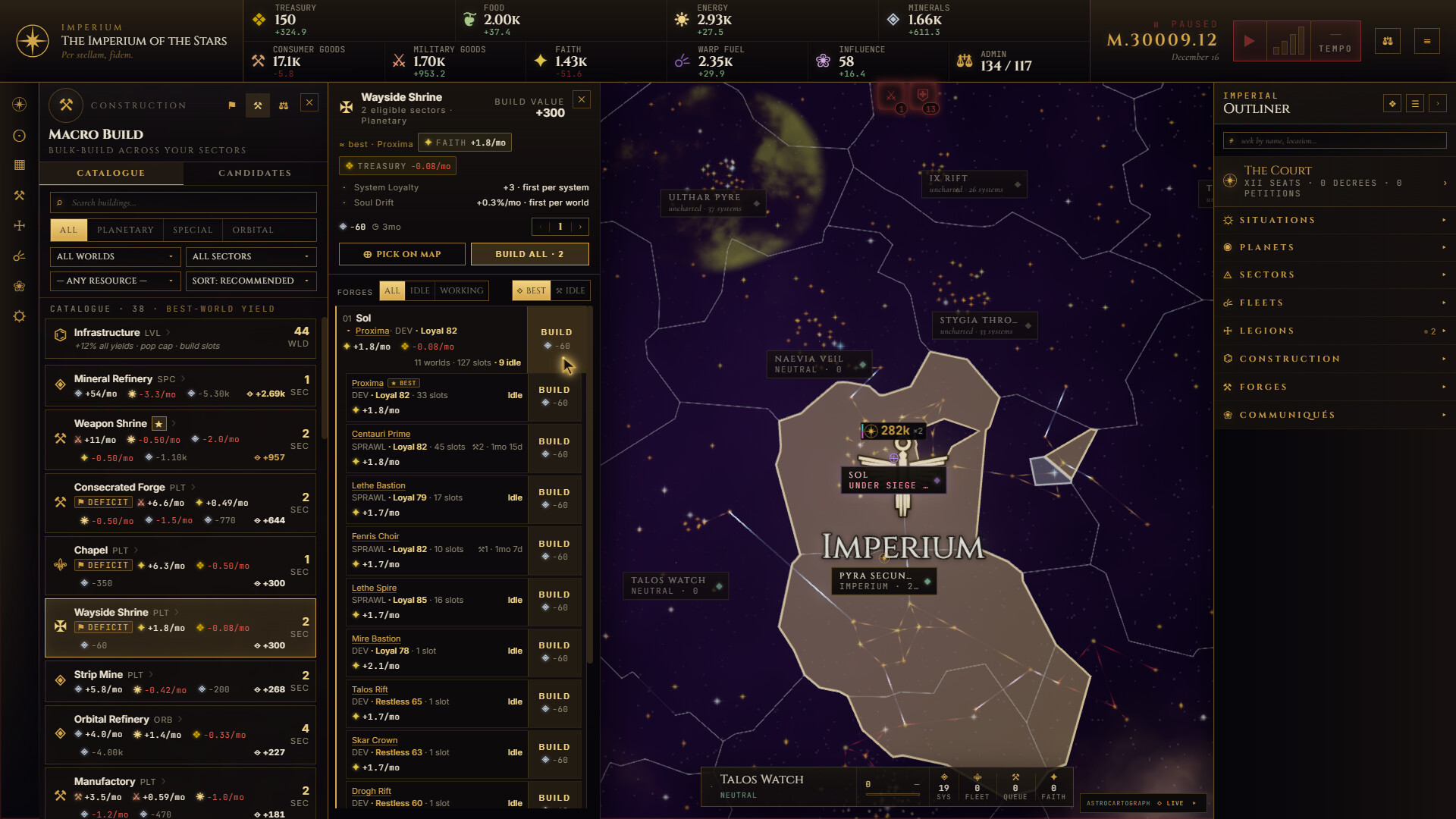
- Orders go out empire-wide, Macro management is the core of the game, not an afterthought
- A Game Director you can retune mid-campaign, from Balanced to Grimdark. Dynamic difficulty an answer to snowballing, so winning early does not turn the rest into a formality
The Factions
The Imperium seeks to reunite a shattered galaxy and calls it salvation. The Void Eternal seeks to return creation to the silence that came before it, and calls that peace. The Grokhar take what they can hold.
They are permanently at war, and what changes hands are the remnant systems. You steer where your faction goes, so no two runs go the same way.
Each has its own mechanics and its own tech tree, asymmetric enough that playing another feels close to playing another game.
Events that arrive without asking
A Cardinal petitions for a world you had other plans for. A Void whisper takes hold on a frontier system. A Pack-Lord has gone too long without blood. Some resolve in a single decision, others escalate for months.
Fought in real time
Fleet actions across dozens of ship classes. Ground sieges fought by regiments, where terrain and morale decide as much as numbers.
An empire that runs without you
Declare a sector as an operation, called a Grand Campaign. You set the commitment, the risk and the conditions that end it, and it musters its own task forces (groups of fleets) and runs them. When it cannot advance it says why: no route, outmatched, out of money. A sector governor does the same for building, working from that sector's own resources, and never overrides an order you gave by hand.
None of it is compulsory. You can always drop down and run a single world or a single fleet by hand.
A galaxy that never stands still
The Ordinator is your Game Director. It sets how hard the galaxy pushes back, on presets from Balanced to Grimdark, and you can change it mid-campaign.
Ten thousand worlds. One throne. The void is patient.