
Dead Saints Parade
No Reviews · 0 reviews
Link Hub
View on Steam→Screenshots

Description
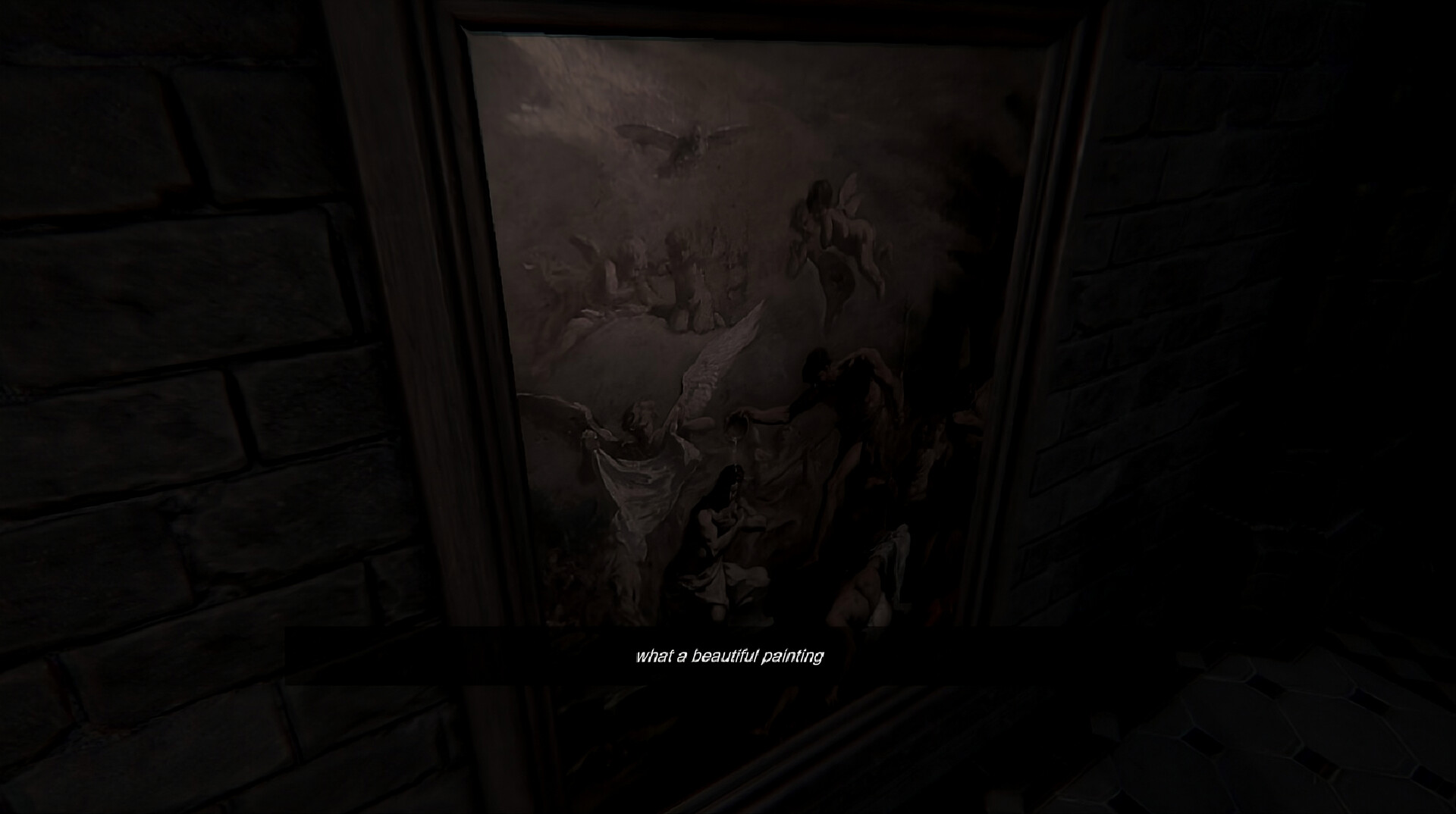
A third-person stealth immersive sim. One night inside the Church of Lost Consolation, before its dead saints are carried through the streets at dawn. Read the patrols, stay out of the light, and find out what the Maestro is doing. Two hits kill you. What you know keeps you alive.
Platforms
Linux · Windows
Developer
Jhorro Productions
Publisher
Jhorro Productions
About
Once a year, Vespermouth carries its dead through the streets. The relics of the saints are brought up out of the crypts, out through the great west doors, and down to the palace steps, and the city tells itself that even in death we are united.
The parade is at dawn. You have the night.
Dead Saints Parade is a third-person stealth immersive sim. You are a spy inside the Church of Lost Consolation on the one night of the year it never sleeps: vigil bells, relics laid out for the morning, and every priest in the building awake until light. You came to learn what the Maestro is doing behind the rite. You would like to be gone before the procession starts.
Observe. Plan. Infiltrate. Collect. Evade.
You are not built for this. Two hits from a guard kills you. Nothing regenerates, and there is very little healing to find. What you have instead is time to watch: patrol routes, sightlines, which door creaks, who answers to whom.
Mistakes stay made. A lockpick snapping is a noise somebody hears. A guard who finds a body never settles down again. That guard stays on edge for as long as you are in that part of the church, and there is nothing you can do about it. When you are seen, running is the plan.
Somewhere to get lost in. The church is a hub with rooms leading off it in every direction: clergy offices, a working monastery, a churchyard, an organ loft above the crossing. Underneath are the catacombs, and underneath those, a cave. Doors you couldn't open on the way down will open on the way back up. There are no waypoints.
Information is the loot. A clergy rota tells you when the sacristy is empty. A ledger tells you who the Maestro answers to. Everything you read and everything you stop to inspect goes into a journal, which pulls out the part you can use and files it as a clue. Knowledge is the thing that accumulates across a playthrough.
Most of the church isn't guards. There are worshippers who won't look up, lay staff who will walk straight to the nearest guard and report you, and one or two who just scream. Killing is only quiet if the room is empty.
Features
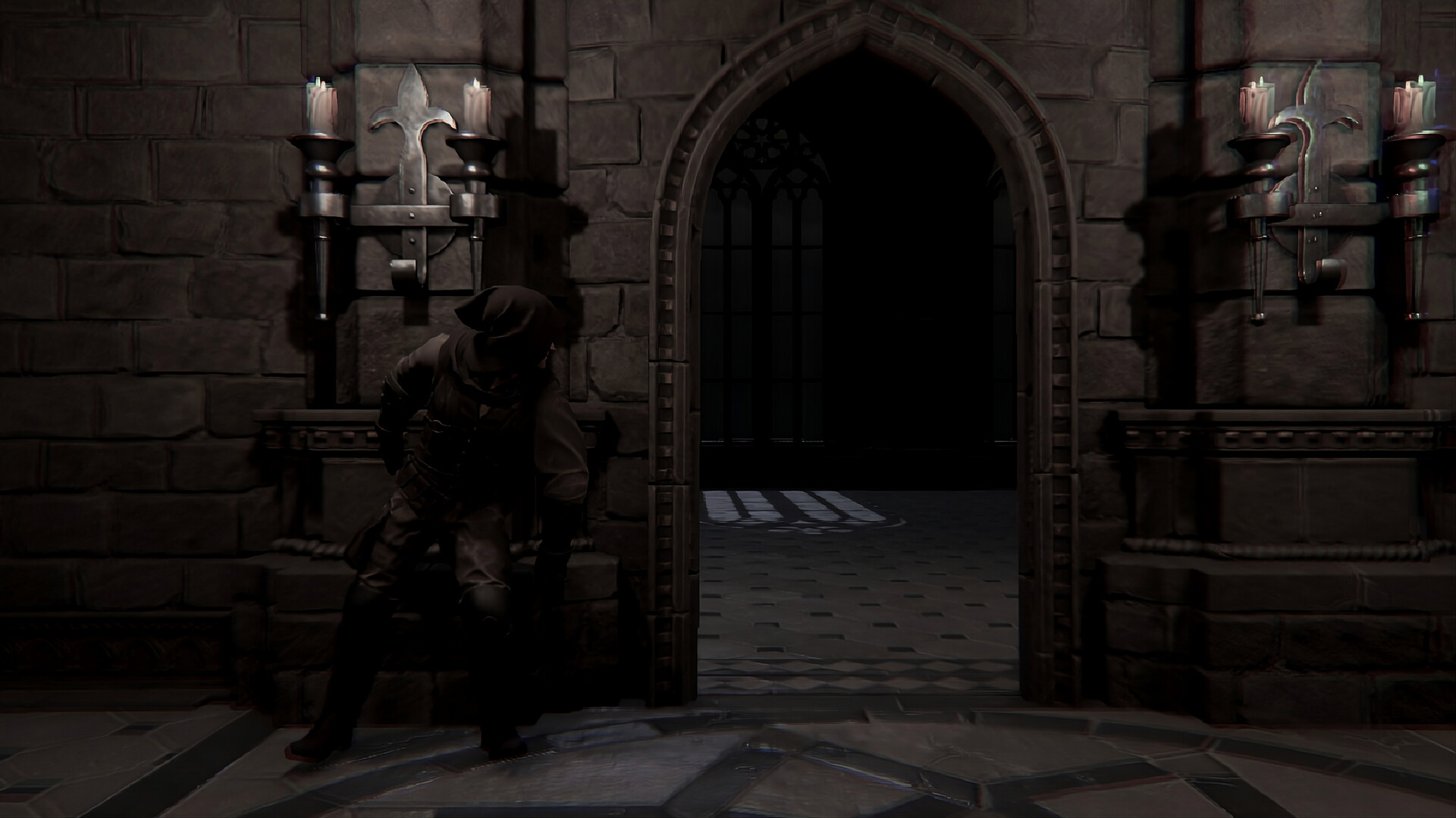
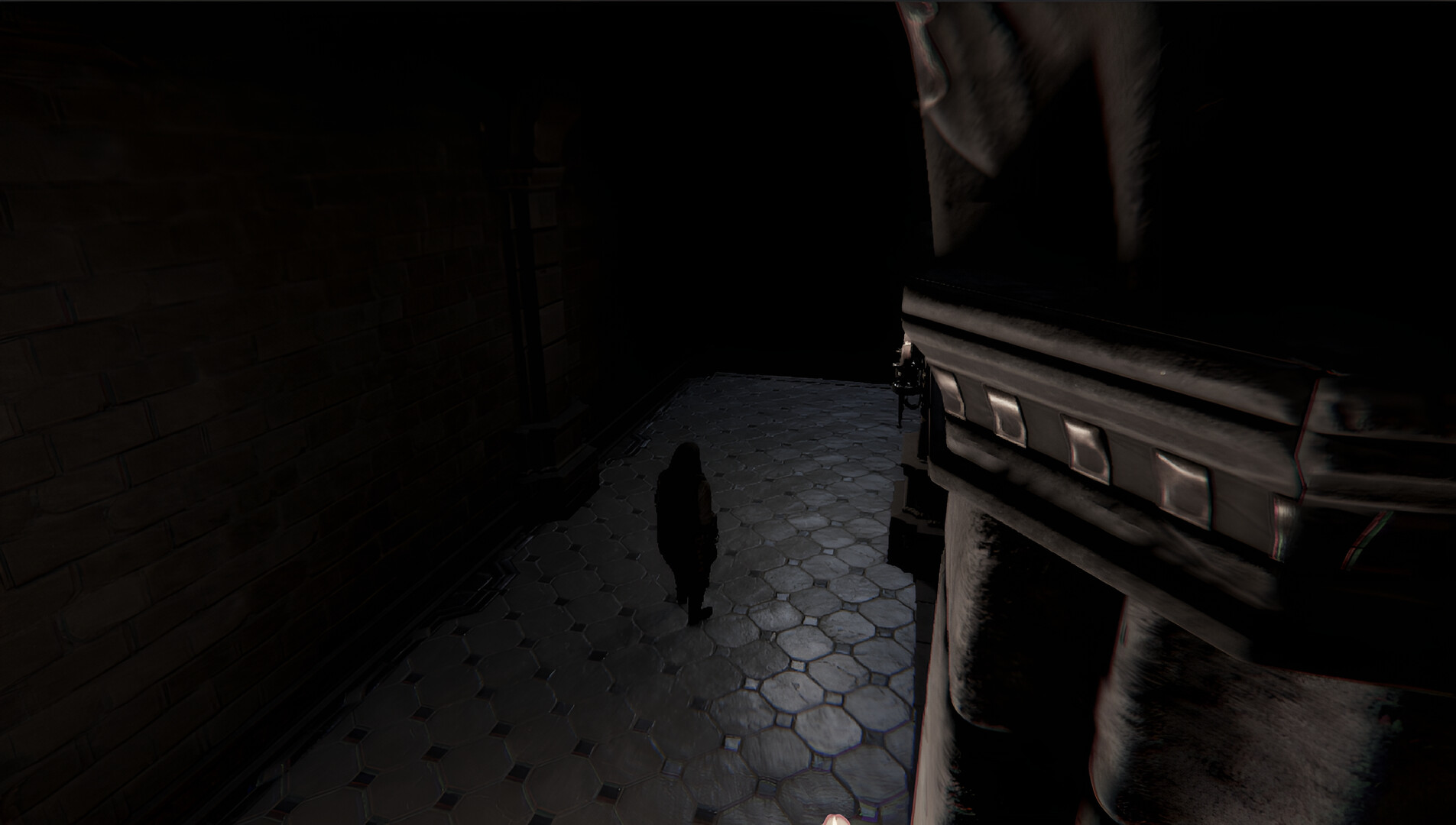
- Cover-based third-person stealth: hug walls, peek around corners, break line of sight
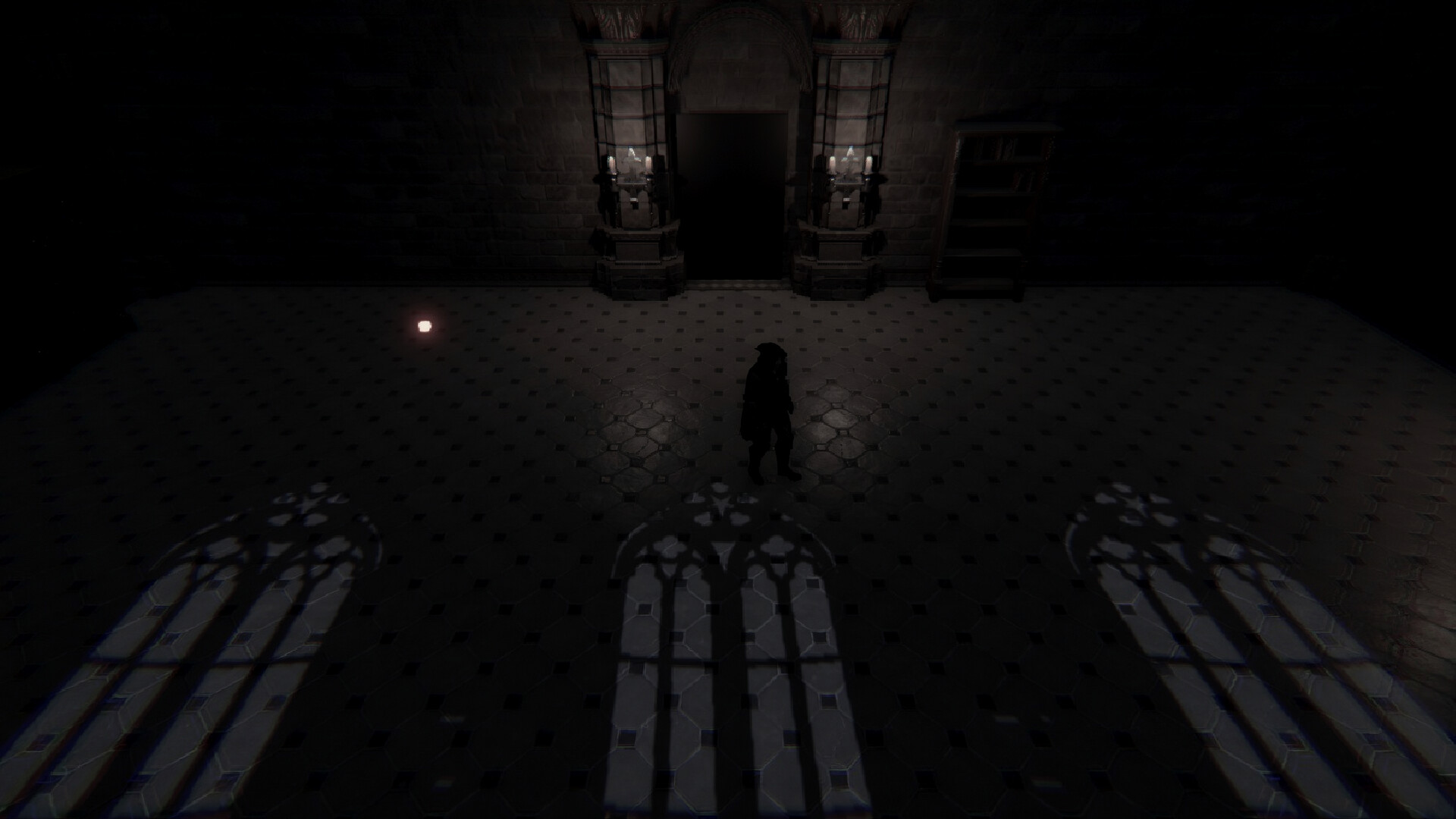
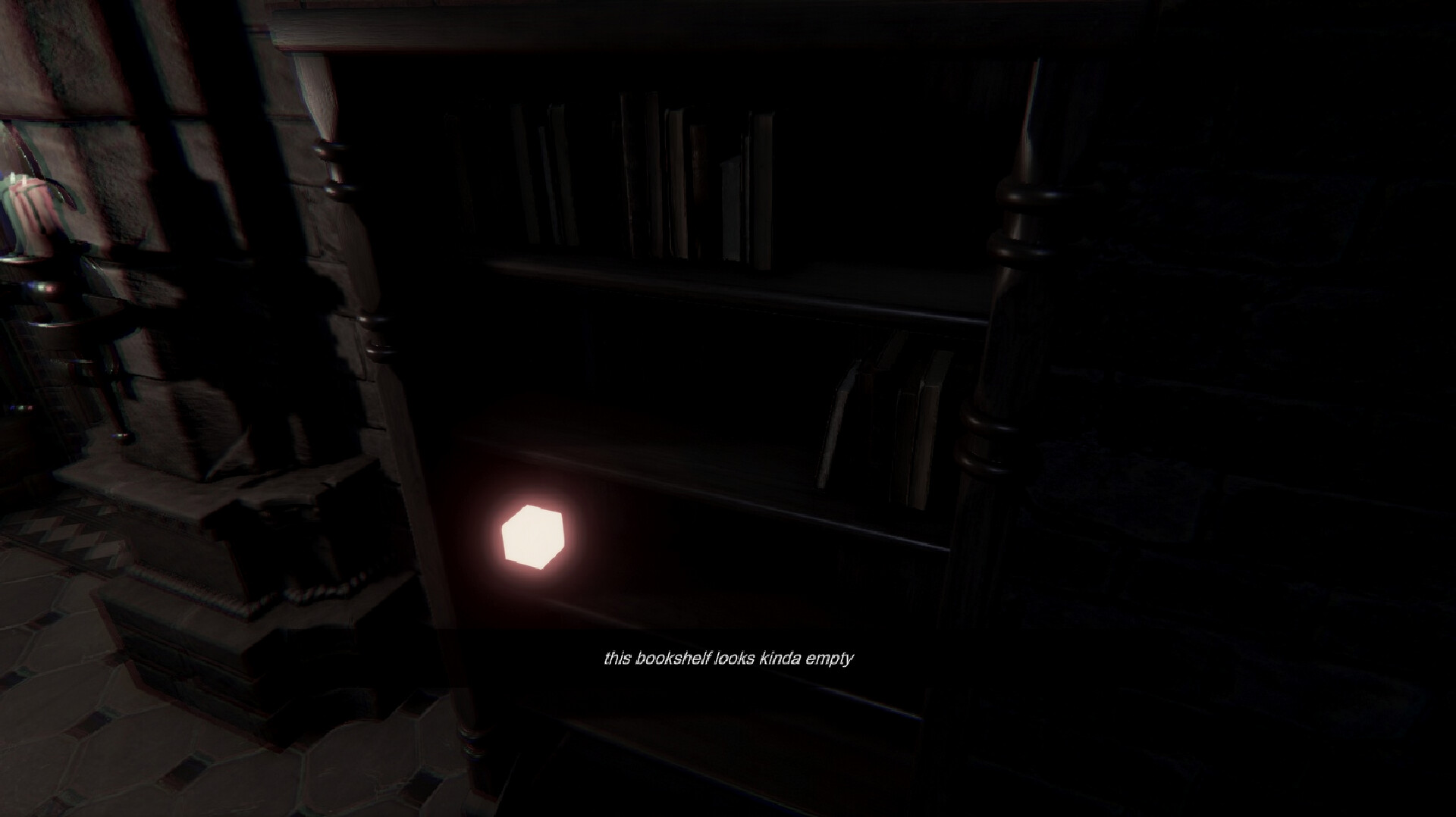
- Light you can change. Put out the candles and lanterns, and the dark they leave behind hides you for as long as you stay in it, because your exposure is recalculated every frame and feeds straight into what the guards can see
- Sound that behaves like sound. Flooring changes how loud your footsteps are, walls muffle noise according to what they're made of instead of blocking it outright, and the organ covers you the whole time it's playing
- Guards who talk to each other. One who spots you brings the rest, and a body left where it can be found puts the whole area on edge
- Civilians, informants and screamers, each reacting to violence the way that kind of person would
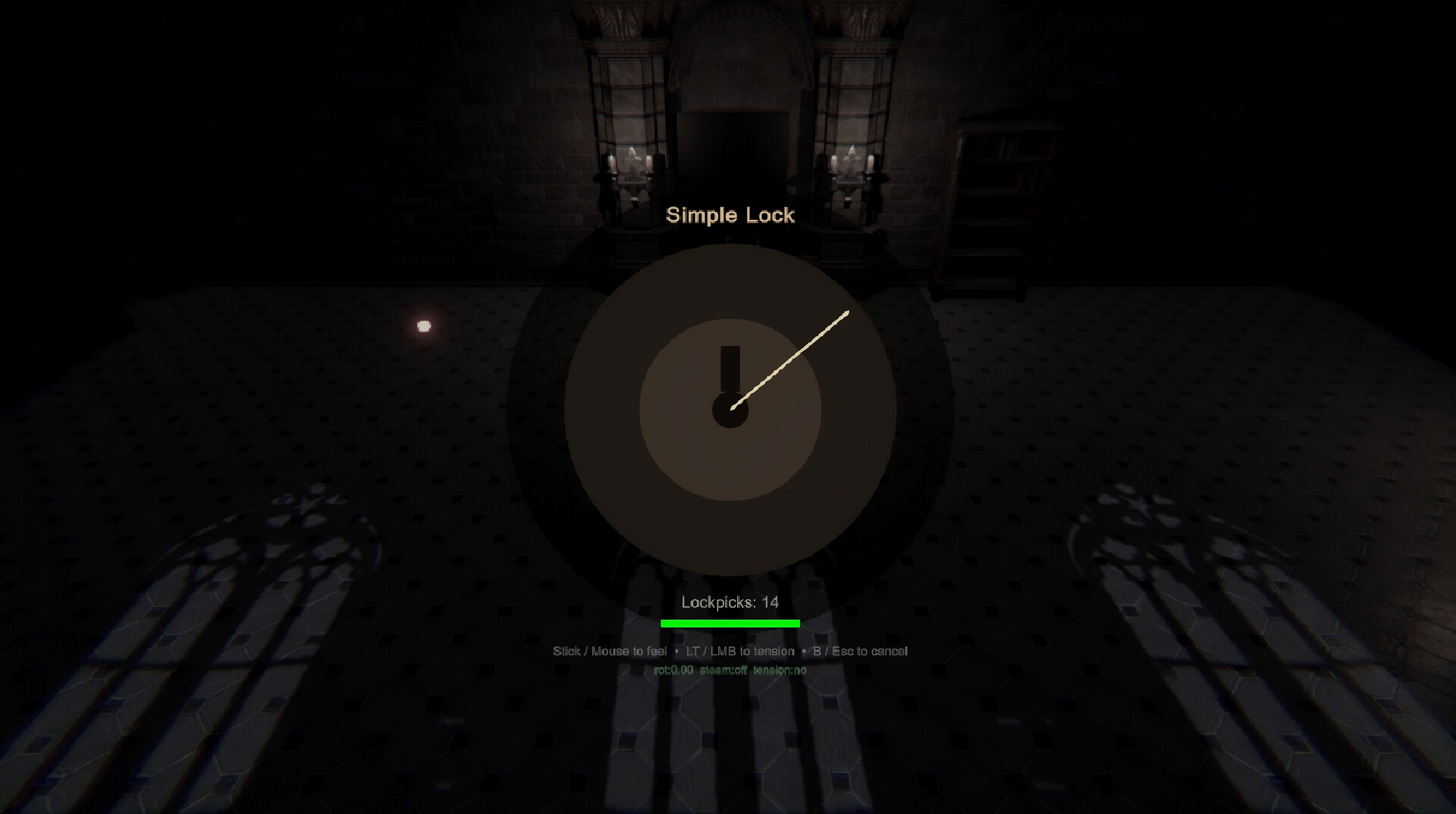
- Lockpicking where the picks break, on locks that will beat you if you rush
- Stats that go up because you used the skill, not because you spent a point
- Saving is something the character does: pray, light a candle, sit down and write in the diary
- Controller-first, with a native Linux/SteamOS build developed and tested on Steam Deck
Three ways to read it
Everything in this church supports three readings at once. That the Maestro is running a scheme, and there's a ledger behind every miracle. That you've been down here too long, and your own journal has started to contradict itself. Or that something under this building is very old and very awake, and the rite is doing exactly what it says it does.
The evidence is identical in all three, and the game never tells you which one it was.