💙 Streaming & Spoiler Notice
FREE TO STREAM
SPOILERS AT YOUR DISCRETION
Feel free to stream, upload, and post about the full game!
Thank you for playing! 💙
Follow us on X for more updates.
About the Game
The demo takes about 30–50 minutes to complete, depending on the player's reading speed.
Power structures can dissolve. So can people.
Dissolution of My Self is a point-and-click psychological horror narrative game about exile, dependence, and the collapse of identity.
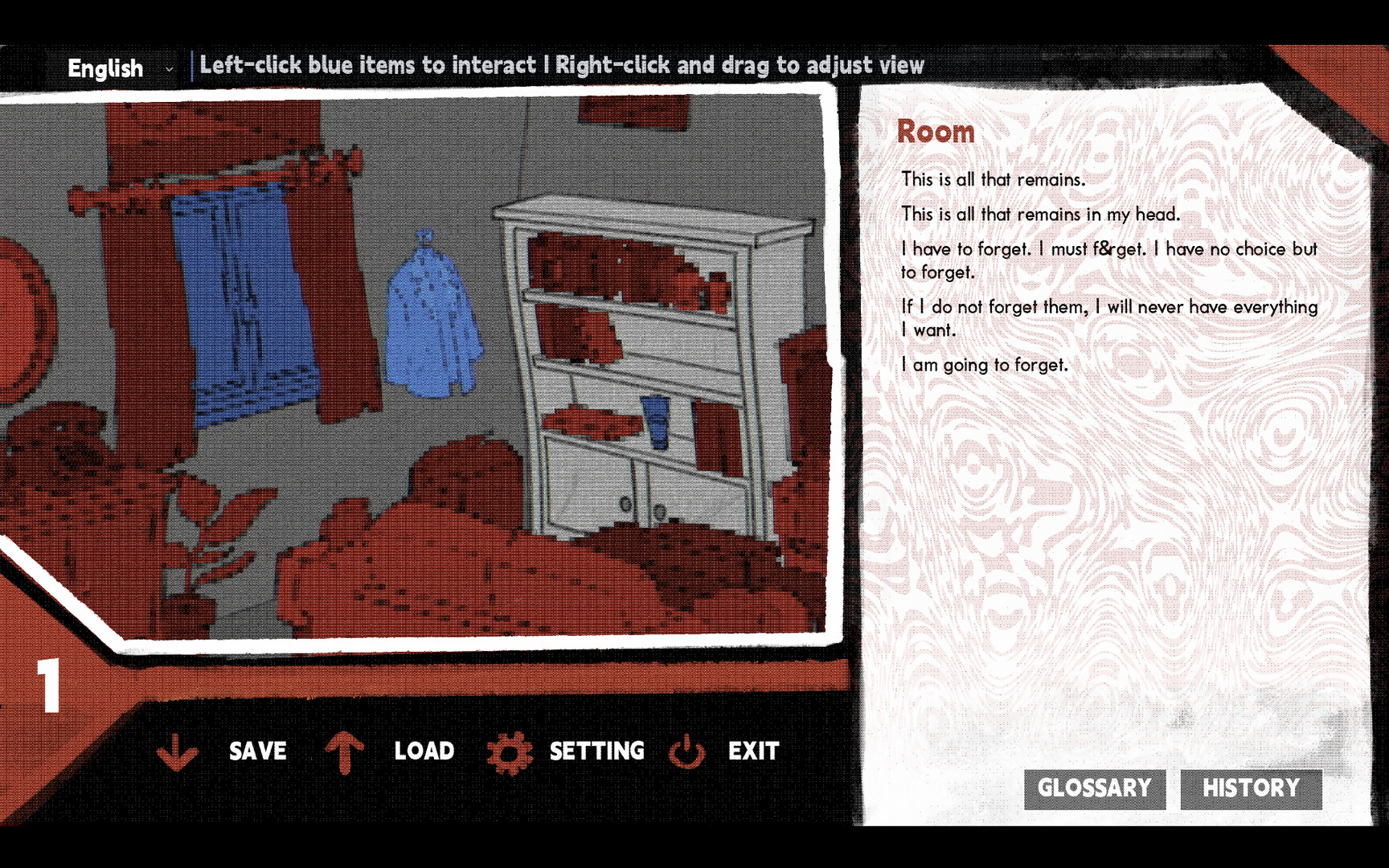
In a rented room, you will click on objects, read fragments of Hector’s memories, and help dismantle his identity.
Before you is an ordinary rented room.
And yet, for Hector, the prince of a fallen kingdom in exile, every seemingly ordinary everyday object inside it is evidence left behind by an intimate tyranny.
Can you blame him for becoming cruel? After all, all he has left is his uncle.
Today, he has decided to forget it all.
Your task is to investigate these objects, awaken the memories Hector refuses to face, and help him erase them.
He has to forget.
After all, remembering who you are can be far too painful.
Characters

Hector (CV: Netoru Irakusa)
“Your body is my only territory.”
An exiled prince of a fallen kingdom, trapped in a rented apartment far from home. After losing his identity, homeland, and future, he drags his dependence on Matvey—along with his resentment and love—into the depths of self-dissolution.

Matvey (CV: Tetsuto Furukawa)
“If you were nothing more than family to me, my child would be old enough to walk by now.”
Hector’s uncle and aide-de-camp, who fled with him under an alias after their kingdom fell. He now supports their life as an unlicensed electrician. Unfortunately, Hector treats him as subject, uncle, caregiver, wife, and mother all at once.
Game Features
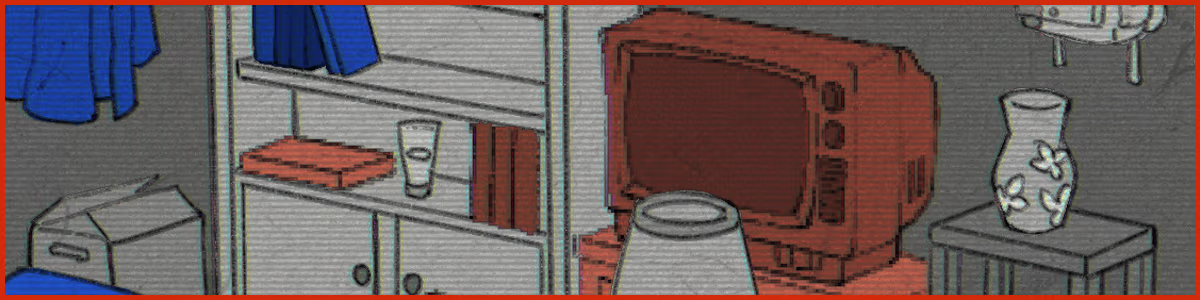
Piece together your own path through dissolution
What you touch first is what Hector remembers first. Exploration changes the order and rhythm of how the story unfolds—not the ending. This game has a single ending; in-game options mainly affect how you read and experience the text, and do not unlock alternate endings or a second storyline.
Explore memories inside a rented room
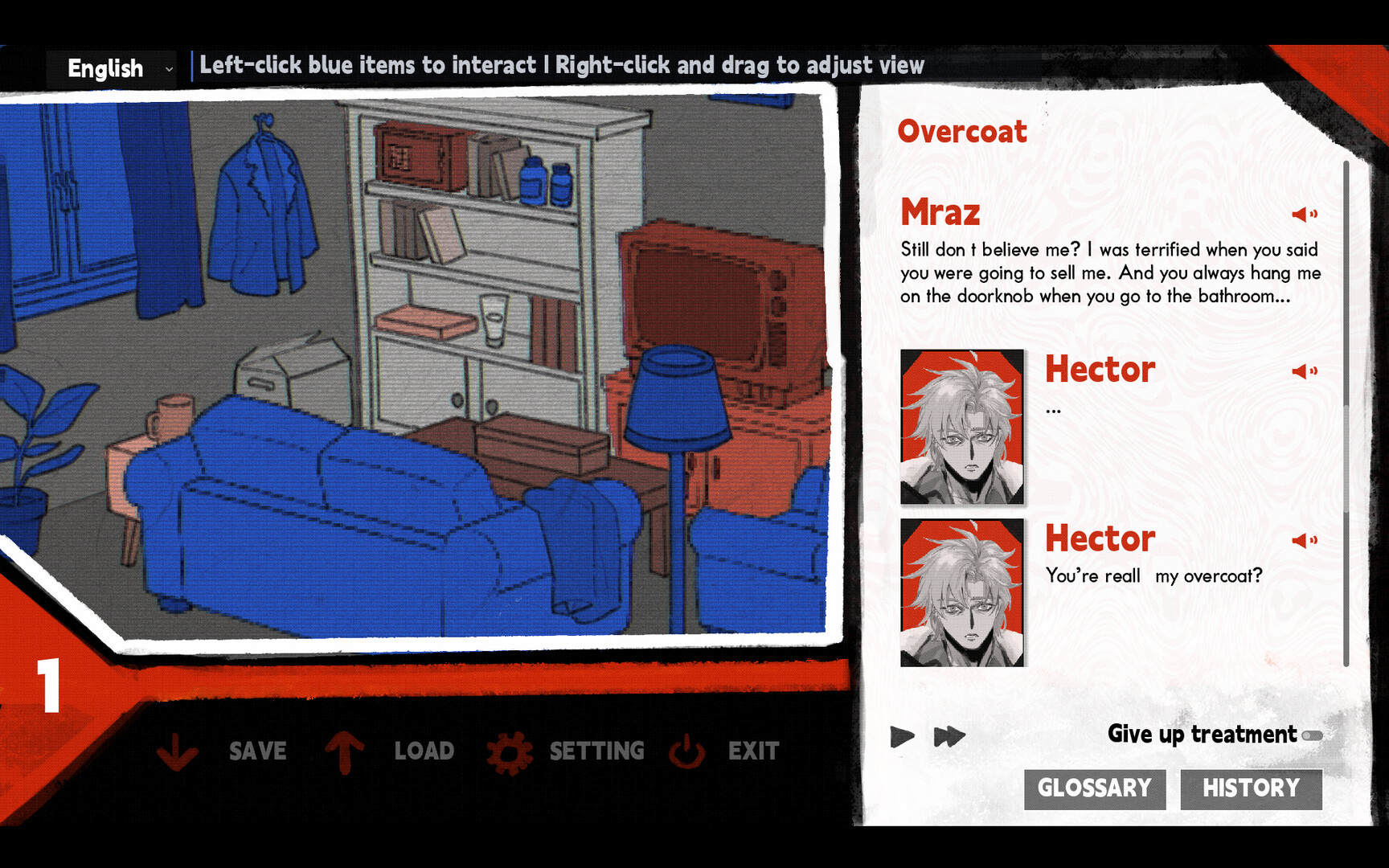
Investigate everyday objects such as windows, a television, dining chairs, and medicine bottles to trigger memories Hector refuses to face.
Don’t take everything he says at face value. The way he recounts his memories depends entirely on his state of mind at the time.
Watch memories peel away one by one
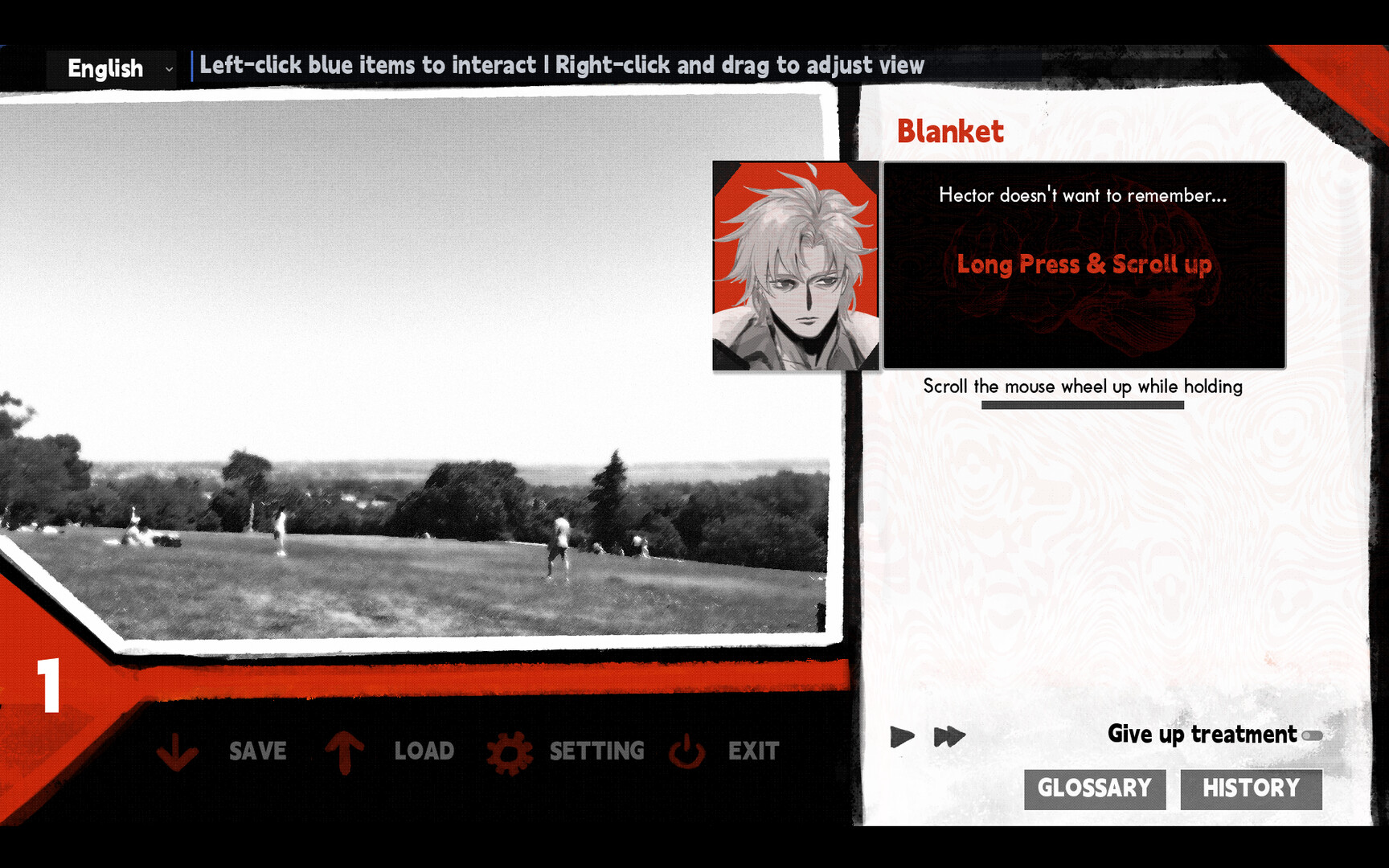
As Hector gradually gives up his past and his self, the objects you have triggered will slowly blur and lose their function.
Psychological horror with no monsters
The horror comes from a sealed space, life in exile, and the twisted decay of family affection, love, and devotion to country between the two of them. Expect oppression and unease—not jumpscares.
A dark intimate relationship narrative
Uncle and nephew, sovereign and subject, “mommy” and his manchild, caretaker and patient
— an abnormal bond so intimate and suffocating it turns your stomach.
Recommended for players who
- Enjoy psychological horror, but not monsters, jumpscares, or combat
- Enjoy object investigation and fragmented storytelling
- Enjoy codependency, pathological dependence, and unequal / distorted relationships
- Enjoy dark humor and jokes straight from hell
- Can accept an extremely oppressive atmosphere, ethical tension, and dark taboo intimacy