#EarlyAccess #2D #Football(Soccer)
99Managers Futsal Edition
A futsal management game with a 2D match engine and integrated editor. Can you find the next wonderkid and become the best manager? Proudly open source.
View game
$10.00
1 user reviews · 0 reviews
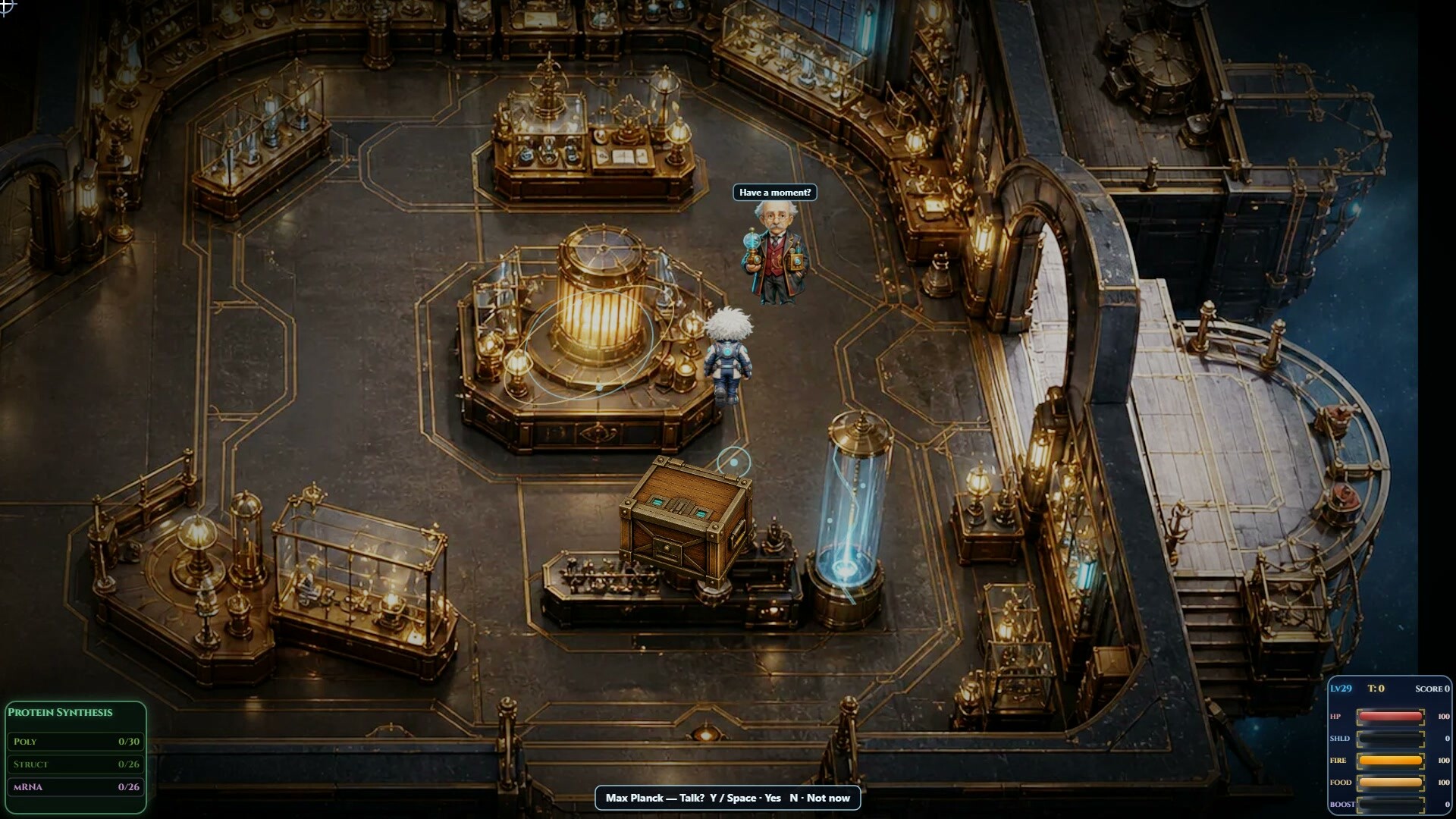
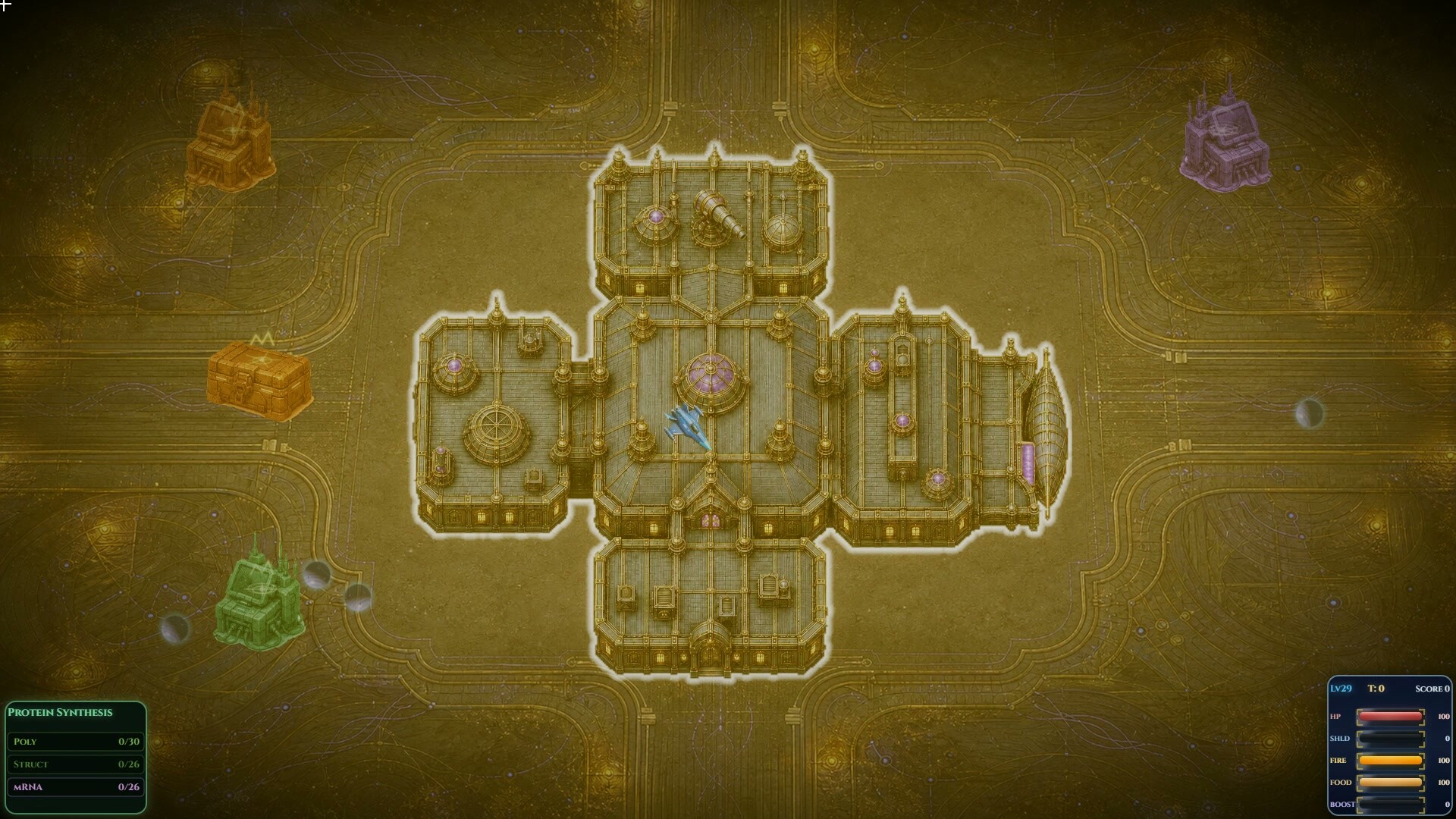
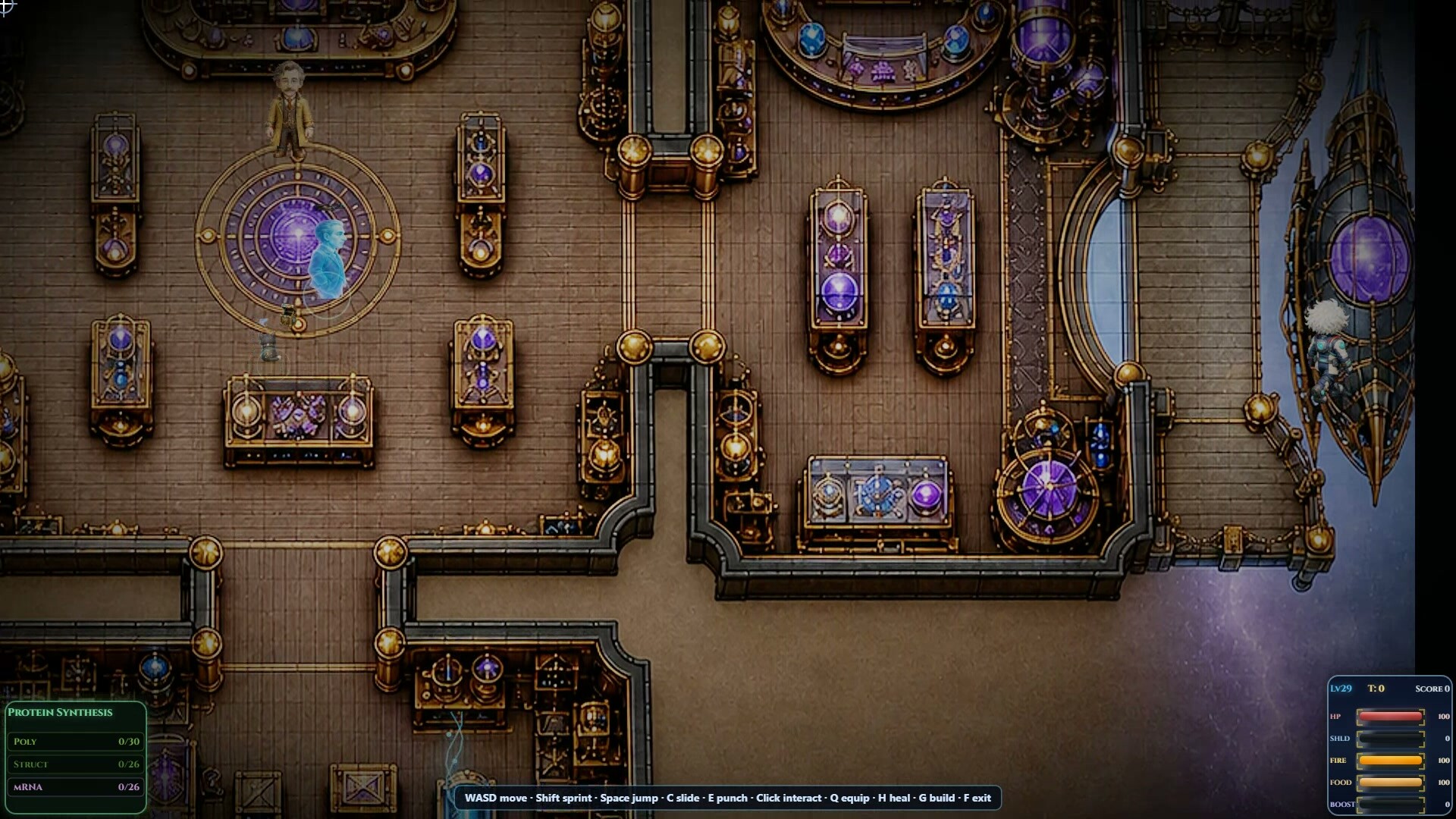
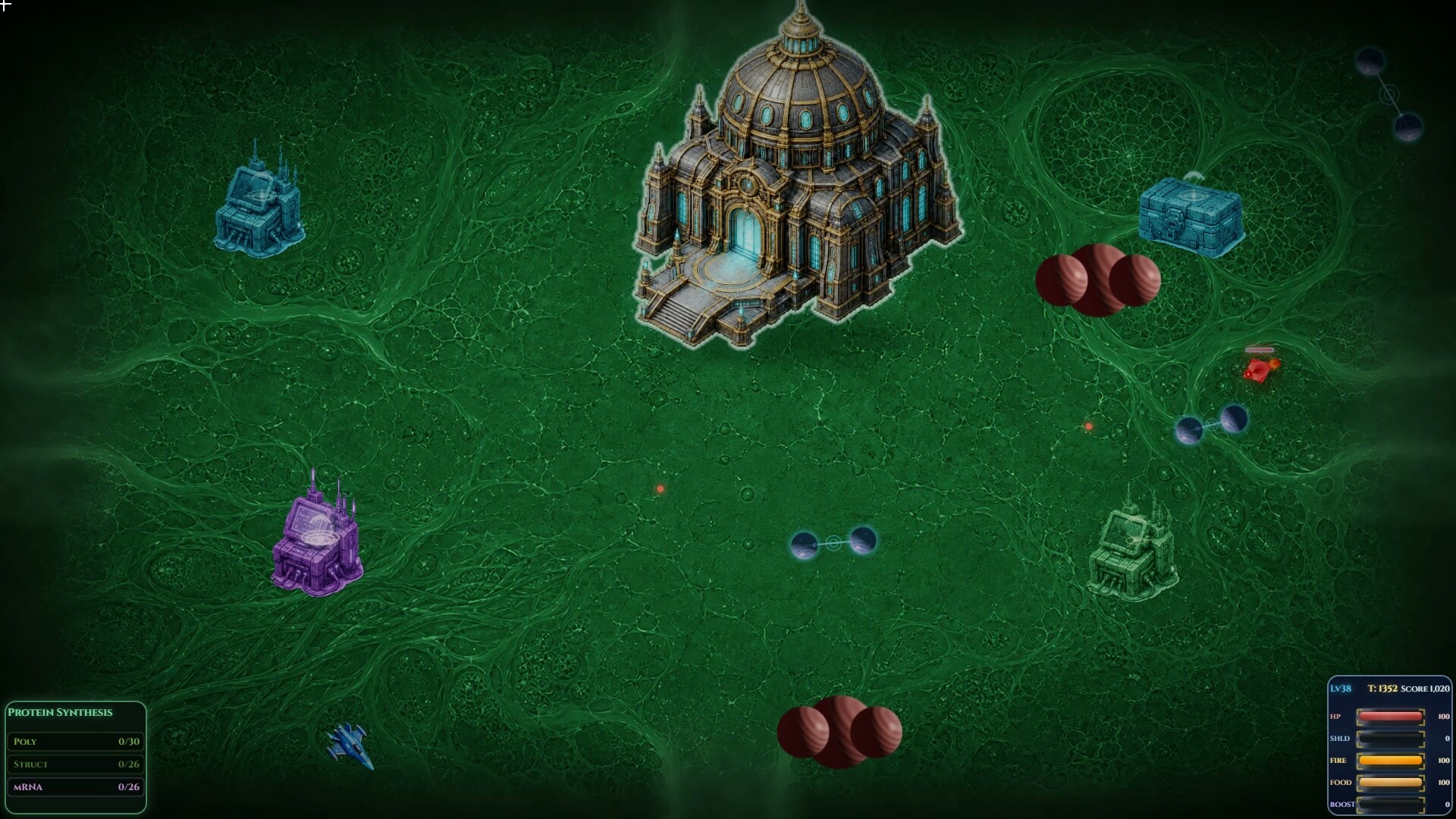
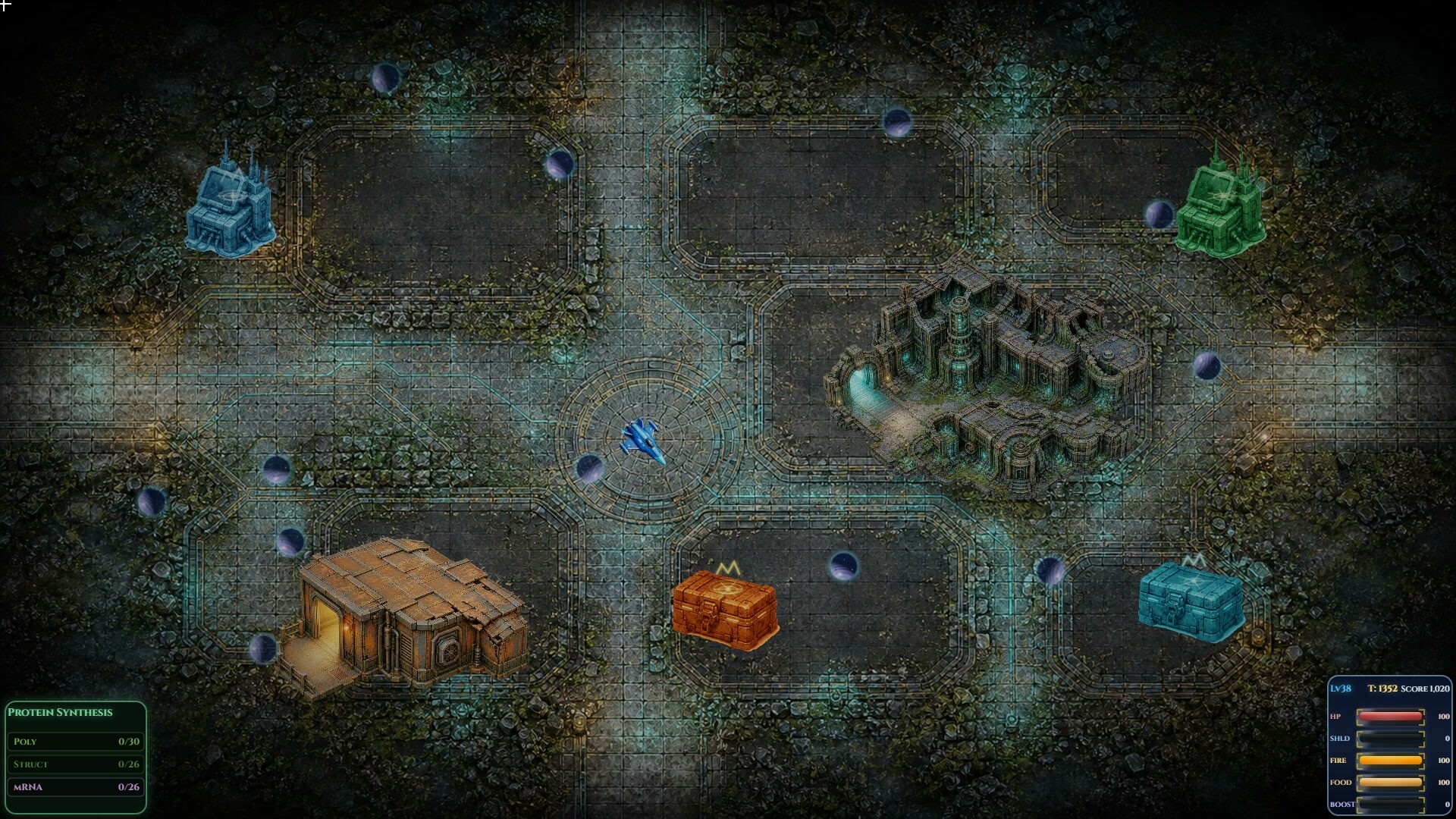
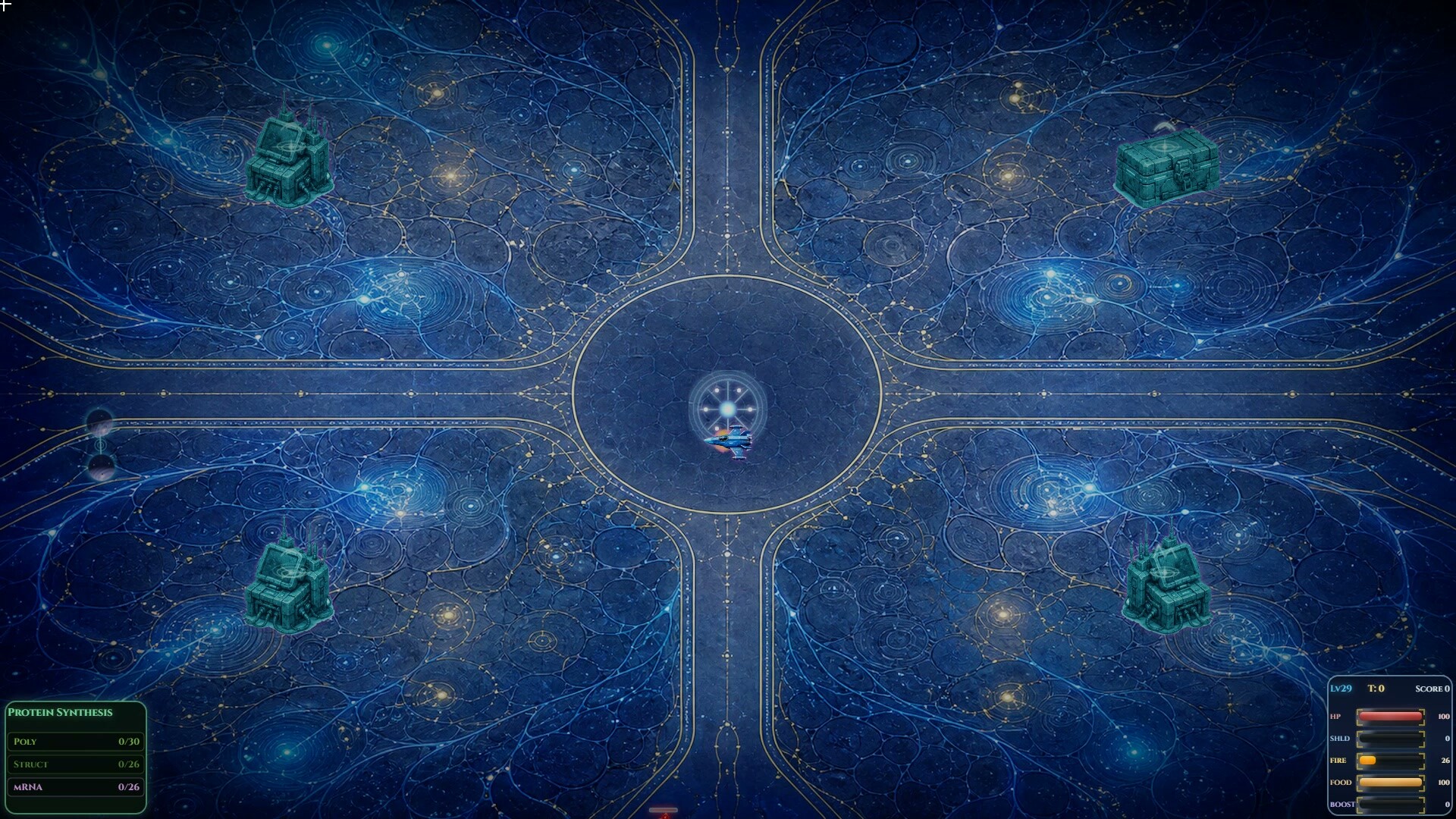
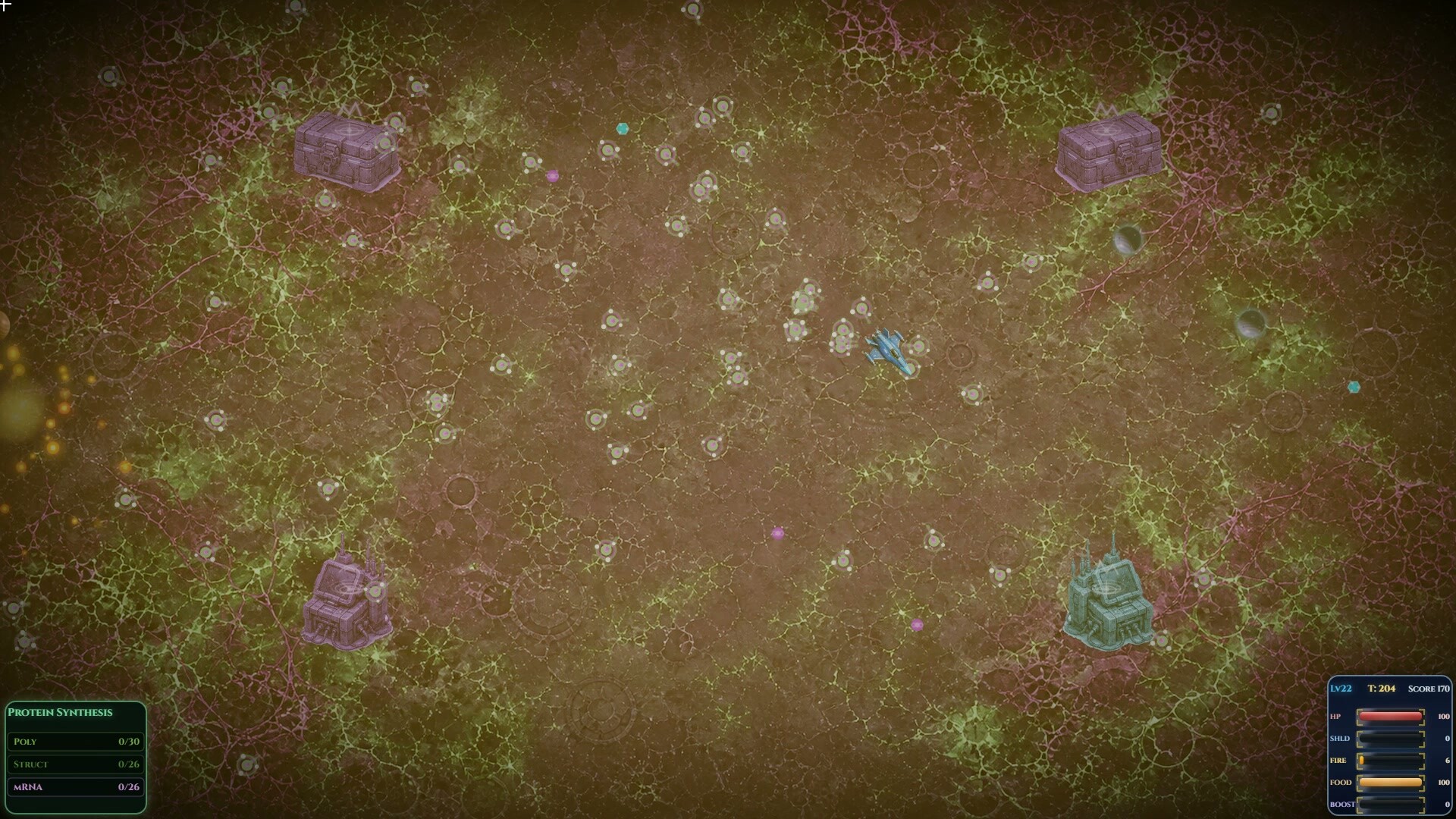
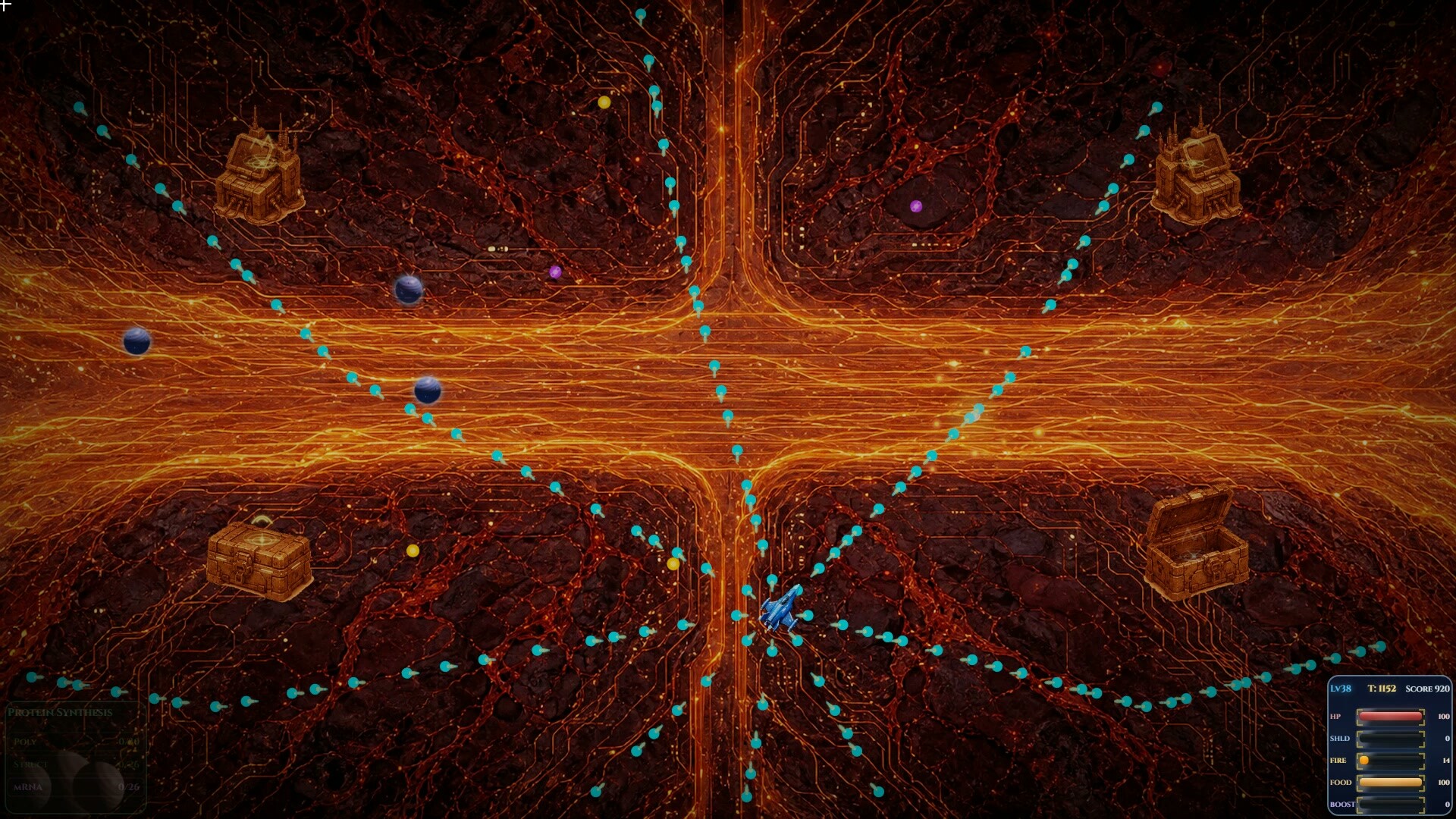
SpaceBell is the first Sci-Hy (Scientific-Hypothesis) game. Embark on a crafting, survival, rogue-like, RPG journey as you break free from Bell's mind and discover the missing framework for the Foundations of Physics--play the hypotheses.
Released
April 7, 2026
Price
Platforms
Linux · Windows
Developer
Publisher
Last sync
August 31, 2026
SpaceBell is a science-driven action roguelite set not in outer space, but deep within the atomic and neural world inside physicist John Bell’s mind.
Pilot a quantum ship, battle biological threats, turn surrounding particles into weapons, recover strange materials, and construct a powered base. The scientific model you choose changes how combat behaves—and how you understand the world around you.
You are Einstein.
After Bell’s time-machine journey from 1964 to 1949 goes wrong, Einstein is pulled into the fractured world inside Bell’s mind. To escape, you must recover the Neurokeys, reconstruct the missing theoretical framework, and survive the consequences of a quantum theory that was never designed to describe an individual system.
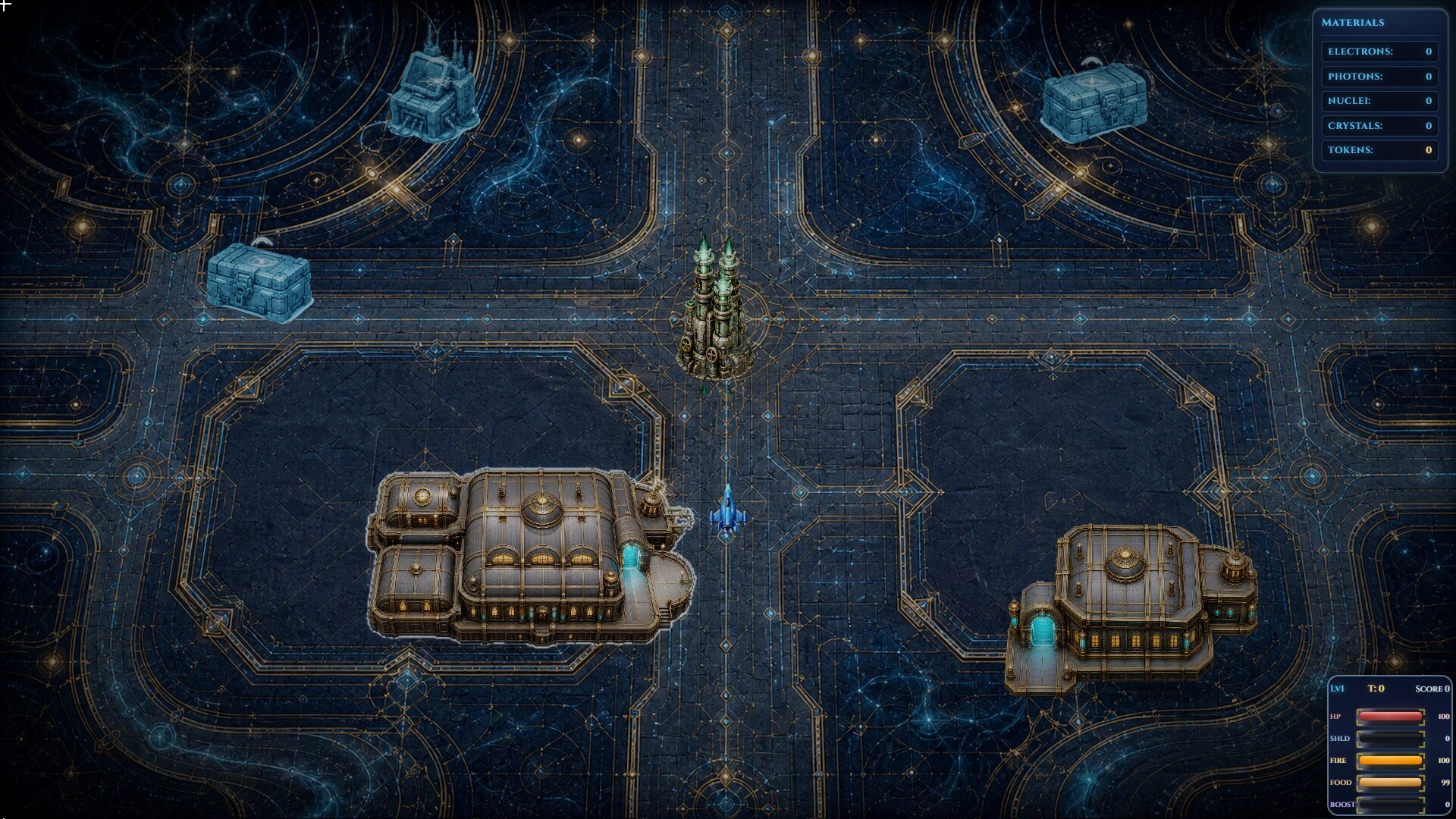
Navigate a connected neural world in your ship, dodging projectiles and returning fire with bullets, lasers, and crafted weapons.
Combat is physical. Your attacks create knockback, enemies collide with one another, and particles in the environment can become weapons. Ram into dormant particles to temporarily energize them, then use their collisions to destroy molecular targets and damage biological enemies.
Face viruses, bacteria, prions, free radicals, and other hazards capable of inflicting translation hijack, oxidative stress, and membrane damage.
Dock at enterable locations, leave your ship, and continue exploring and fighting on foot as Einstein.
Choose between three interpretations of the quantum world, each with different combat rules:
These are more than difficulty settings. Each mode changes how you aim, fight, solve problems, and interpret events within the world.
Travel freely through a persistent grid of neural regions. Enemies grow more dangerous as you venture farther from safety, while the world remembers the objects, resources, and threats you leave behind.
Collect quantum materials and biological compounds to craft:
Manage hunger, equipment durability, health, and your methane-powered boost. When you are ready to advance, return to the Synapse Portal and convert what you have learned into greater power.
Use your ship’s construction beam to place modular rooms and create a working base within the neural landscape.
Dock your ship, step inside as Einstein, and equip your base with crafting stations, repair benches, upgrade consoles, beds, storage, food supplies, defenses, and other specialized rooms.
Build a functioning power grid by connecting reactors to consumers. Manage fuel, operate assemblers, and protect your base with powered turrets and shields.
Your base is more than decoration—it is your workshop, shelter, supply network, and foothold in an increasingly hostile world.
Search ruins, open abandoned drawers and chests, undertake quests for Planck, and recover the Neurokeys needed to continue your journey.
Explore locations including Planck’s Market, Schrödinger’s shop, the Grand Library, abandoned relays, biological laboratories, and forgotten ruins. Puzzle-driven bosses and unusual win conditions will test more than your weapons.
SpaceBell calls its approach Sci-Hy: a Scientific-Hypothesis Game.
Instead of simply presenting scientific facts, Sci-Hy turns competing ideas into playable systems. Different hypotheses produce different rules, consequences, puzzles, and strategies.
The central question is inspired by Einstein’s 1949 criticism of quantum mechanics: does the conventional wave function completely describe one individual system—such as a single radioactive atom with a definite decay event—or does it describe only statistical ensembles?
The story places that question beside Bell’s later work on correlated systems and invites players to explore a speculative Additional Variables program through gameplay and narrative.
SpaceBell treats this as a scientific hypothesis to investigate—not a conclusion the player is required to accept.
No physics degree is required. Learn the world by flying through it, fighting within it, building inside it, and testing its rules for yourself.