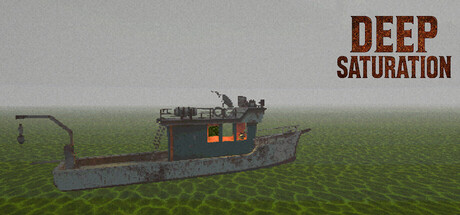
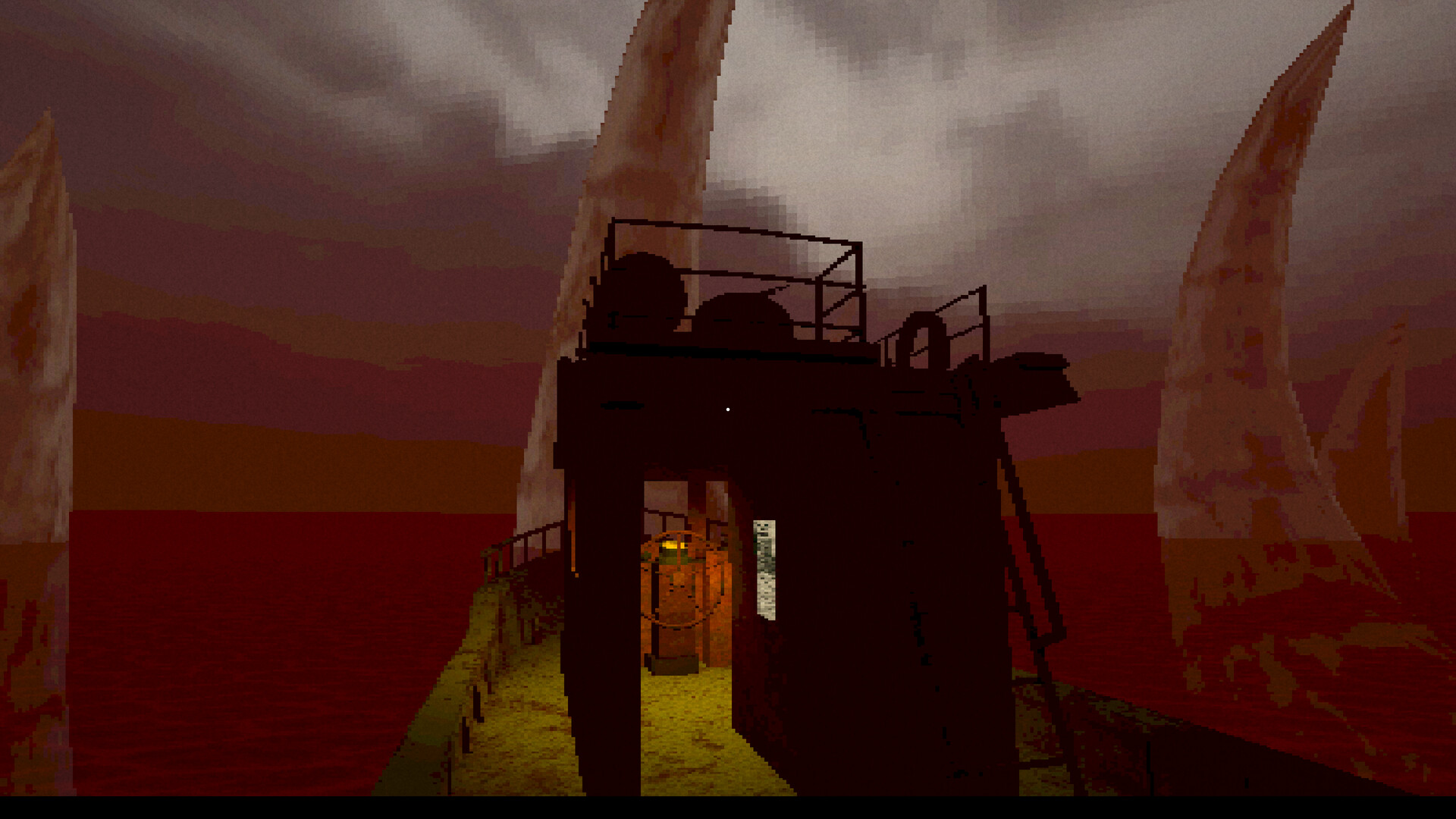
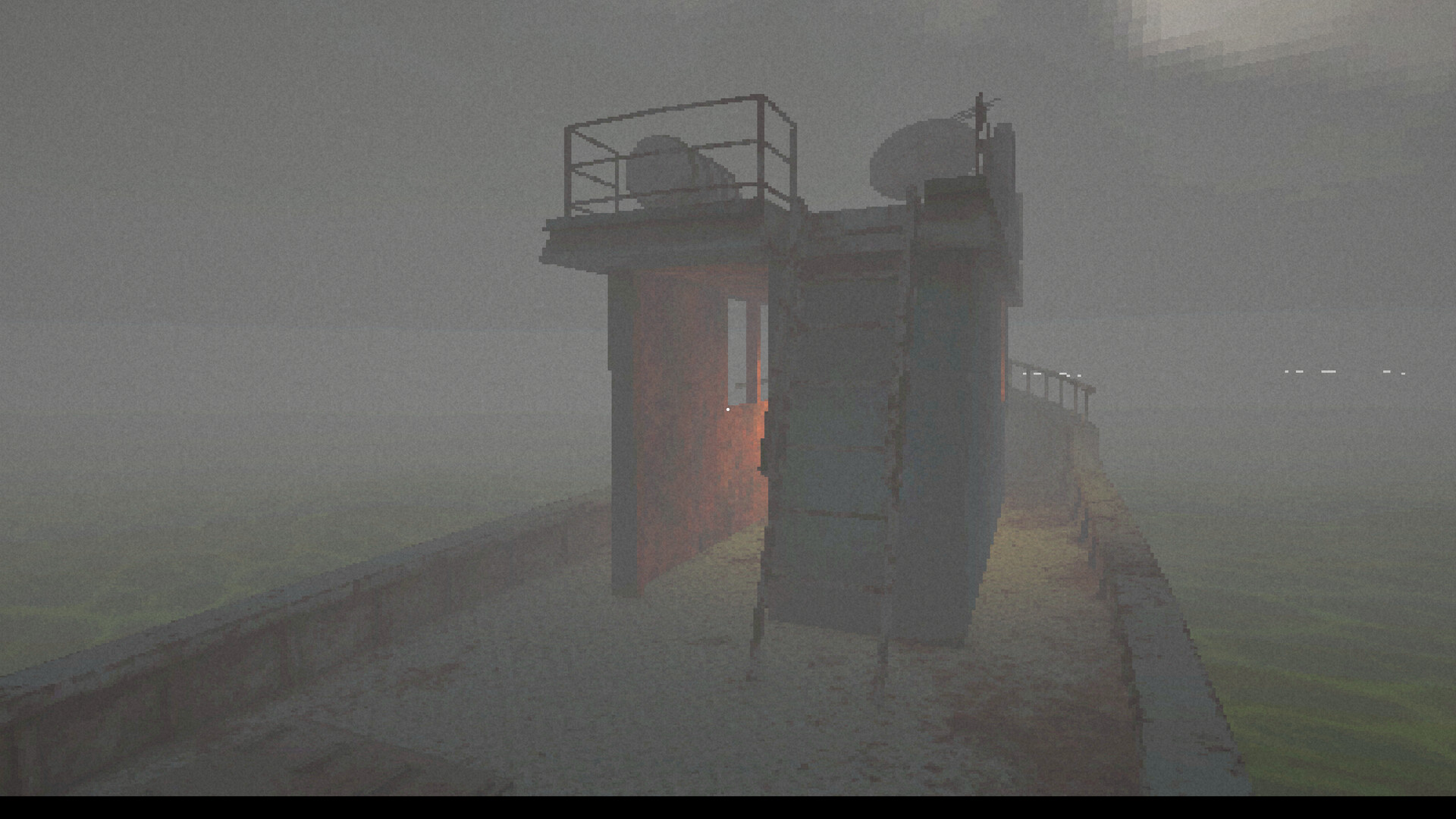
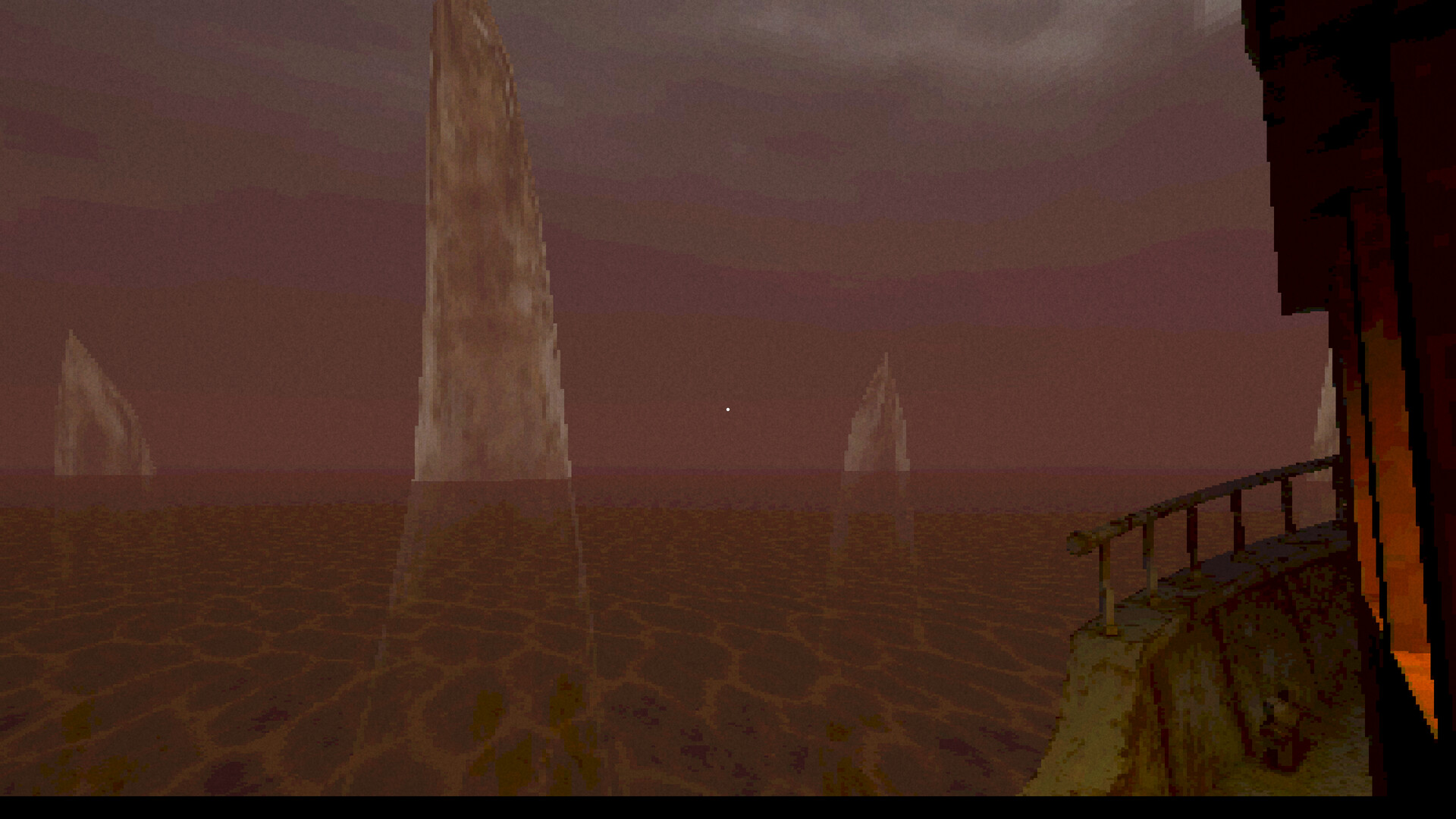
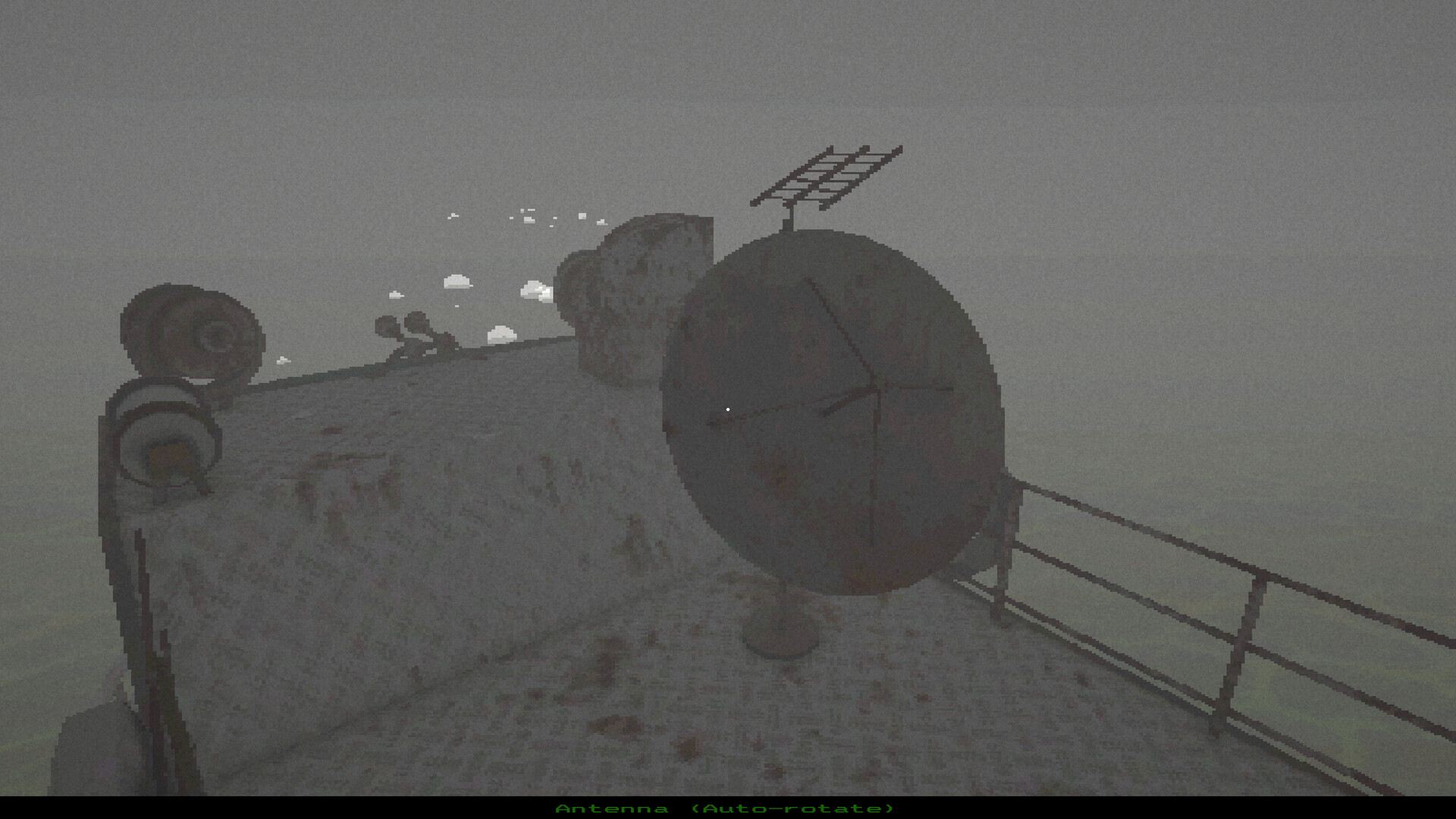
Deep Saturation is a short dread-driven surface vessel horror game inspired by real-world limnic disasters and the claustrophobic terror of analog scientific equipment.
FEATURES
- Experimental atmospheric gameplay where thick fog limits your vision and isolation breeds paranoia
- Navigate treacherous waters using only radar, coordinates, and a single-use deep-water camera
- Document the undocumented through grainy photographs that reveal more than they should
- Horror built on scientific responsibility, equipment failure, and the terror of the unknown depths
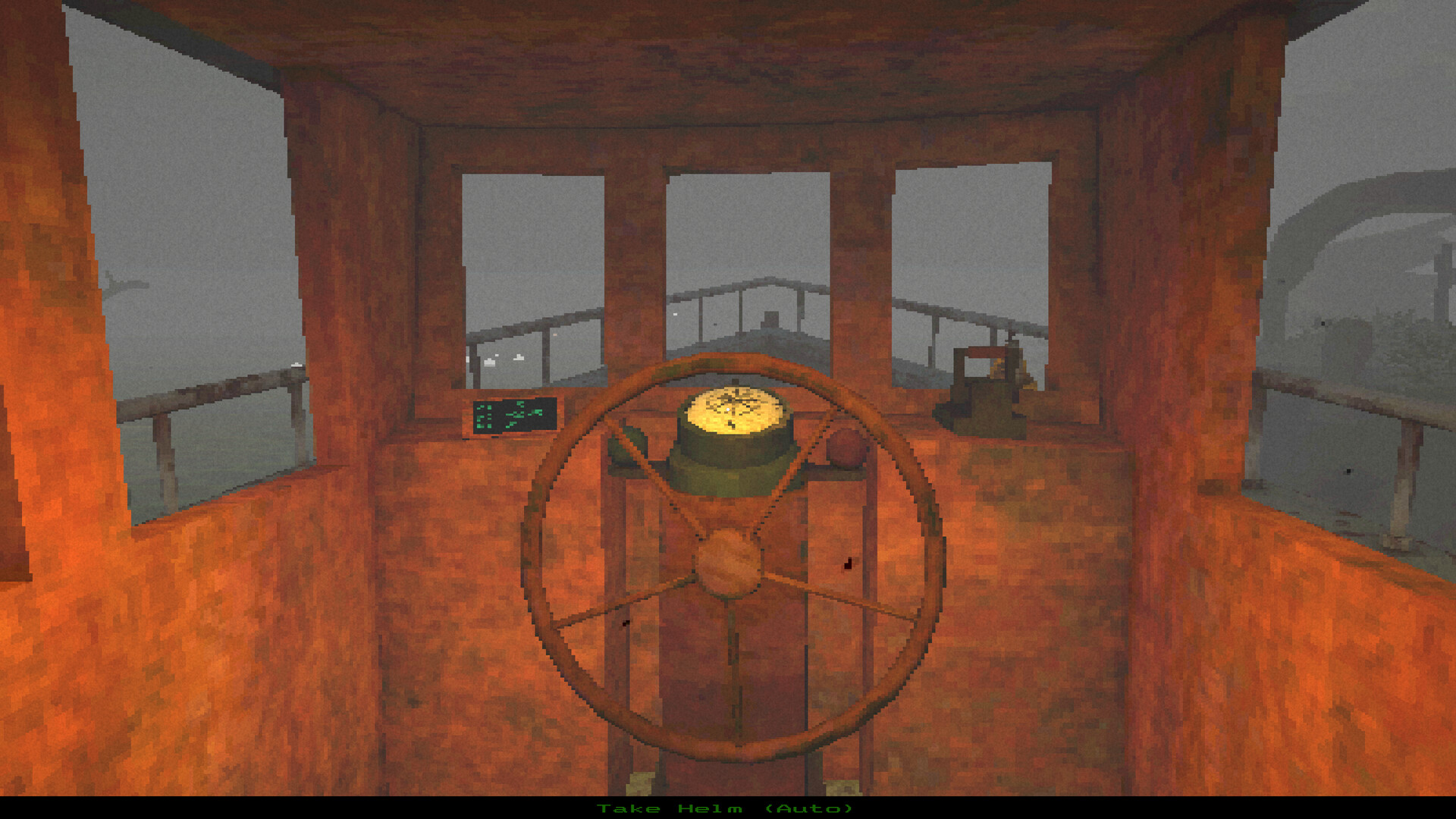
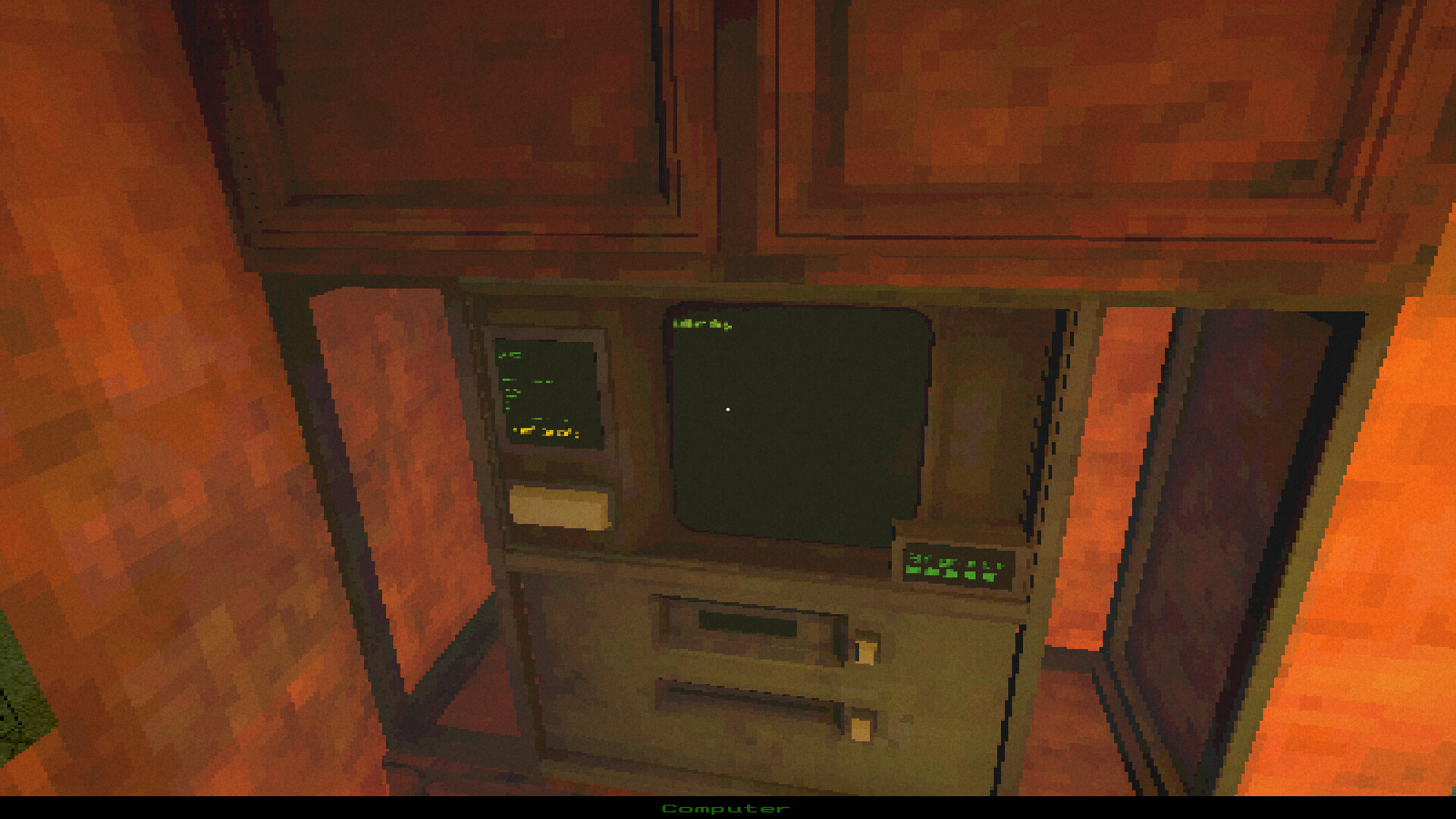
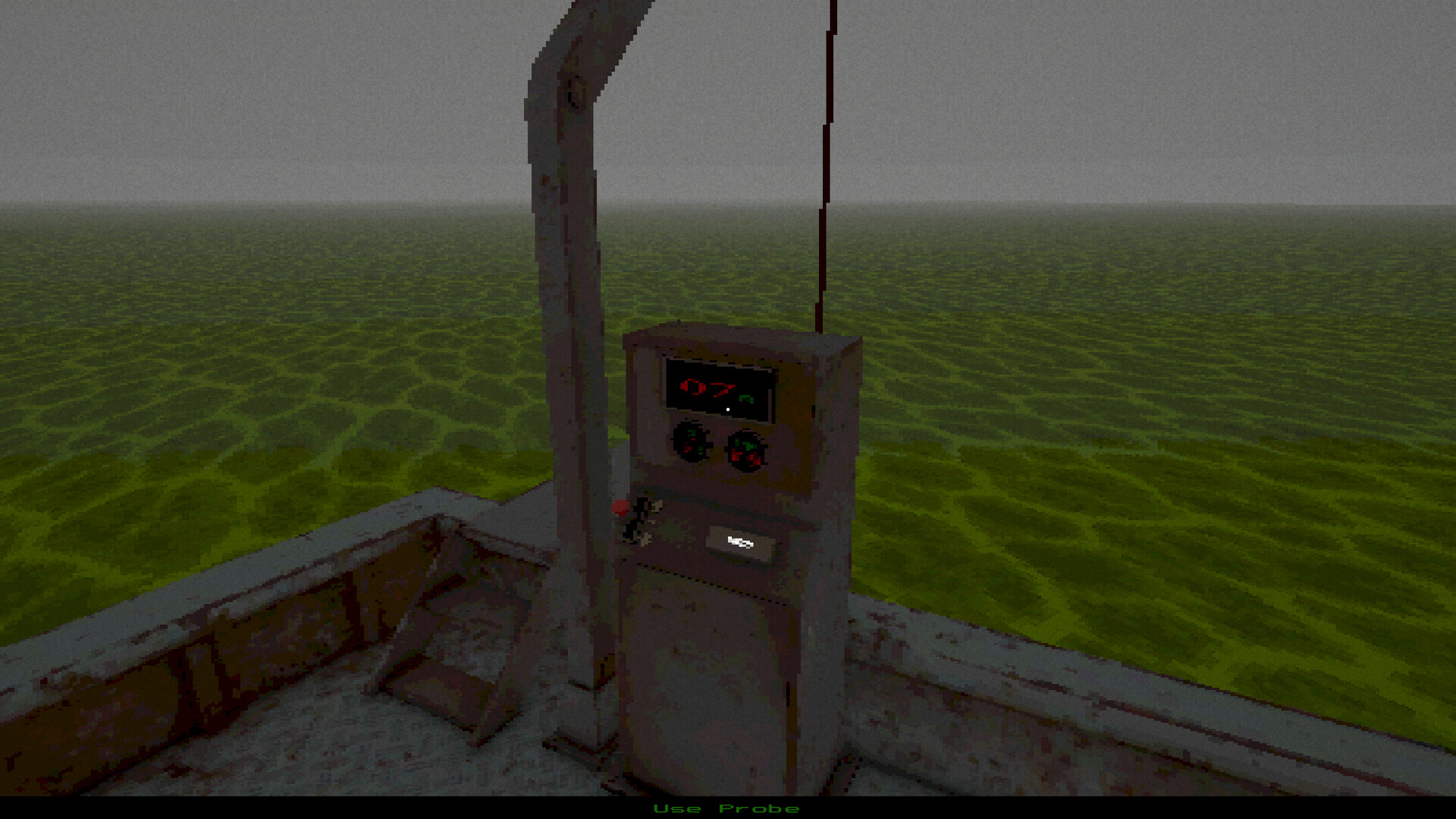
- Authentic analog interface design with CRT displays, mechanical controls, and radio static
- A focused experience designed to be completed in 1-2 hours of mounting dread
THE GAMEPLAY
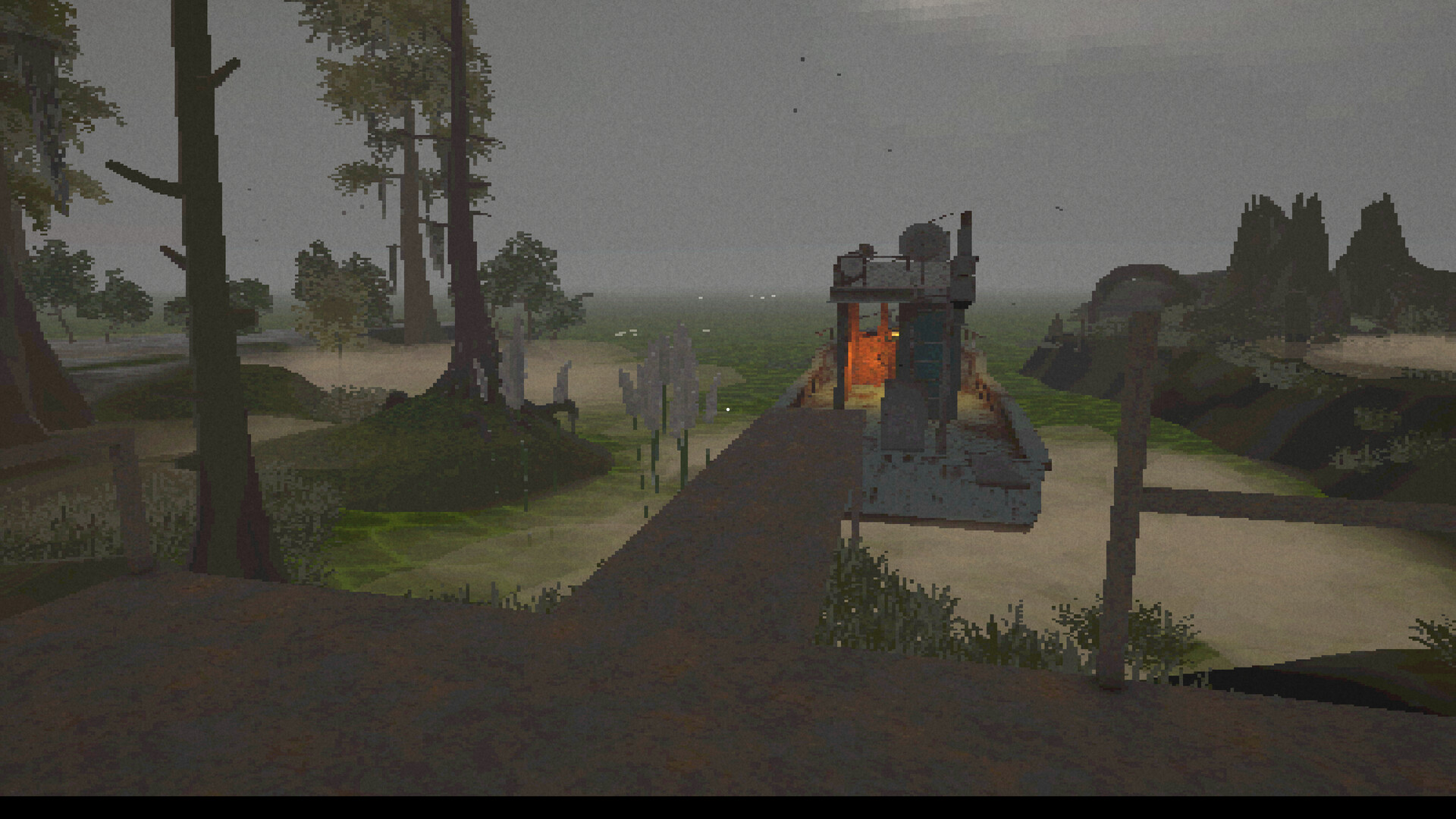
Set entirely on a weathered research vessel floating on a mysterious lake, you must navigate through dense fog to predetermined coordinates, deploy scientific equipment into the depths, and photograph whatever lies beneath the murky surface. Your only window to the underwater world is a primitive tethered camera that produces single Polaroid-style photographs - your sole source of visual information about what lurks below.
There are no windows facing downward, no sonar imaging, no direct observation. You must rely entirely on analog instruments, coordinate navigation, equipment sensors, and the horrifying clarity of still photographs to complete your data collection mission. Success requires patience, scientific methodology, and the courage to keep looking when every instinct screams to stop.
THE STORY
Following the 1986 Lake Nyos disaster in Cameroon, where a limnic eruption killed over 1,700 people in their sleep, international monitoring protocols were established for similar geological formations worldwide. For decades, these systems remained dormant, relegated to automated data collection and routine maintenance.
Then came the Deep Saturation Incident.
Satellite monitoring detected CO2 signatures matching the pre-eruption patterns of Lake Nyos - but magnified beyond any previously recorded levels. The lake, absent from official geological surveys and showing impossible depth readings, began exhibiting thermal anomalies that defied conventional understanding.
A hastily assembled research consortium deployed the "Deep Saturation" monitoring station - a single-operator vessel equipped with deep-water sensing equipment. The mission parameters were deliberately minimal: collect data, document anomalies, transmit findings. What they didn't mention was why the previous three monitoring teams had gone silent.
You are a limnologist specializing in dissolved gas dynamics. Alone on the research vessel with failing equipment and increasingly disturbing data, you must photograph the lake's depths and transmit your findings to a facility that may no longer exist.
Navigate through the fog, deploy your equipment, and document what lies beneath. Try to complete your mission before the lake claims you too... or before you discover why the others never returned.
KEY ELEMENTS
- Analog Horror Aesthetic: Authentic CRT displays, mechanical gauges, and radio interference
- Photographic Discovery: Limited visual information through single-use camera deployments
- Environmental Storytelling: Uncover the truth through accumulated data and equipment degradation
- Isolation Mechanics: Complete communication breakdown with outside world
- Scientific Realism: Based on real limnic disaster research and monitoring protocols
- Atmospheric Tension: Dense fog, equipment failure, and the constant threat of the unknown
"The lake remembers what we choose to forget. Every measurement brings us closer to understanding... and further from safety."