#Casual #2.5D #Cute
End Chess Arrow
It seems like Chinese Chess, but perhaps you can hold the entire game with just a crossbow. A strategy-based turn-based roguelike game.
View game
Free
 -20%
-20% No Reviews · 0 reviews
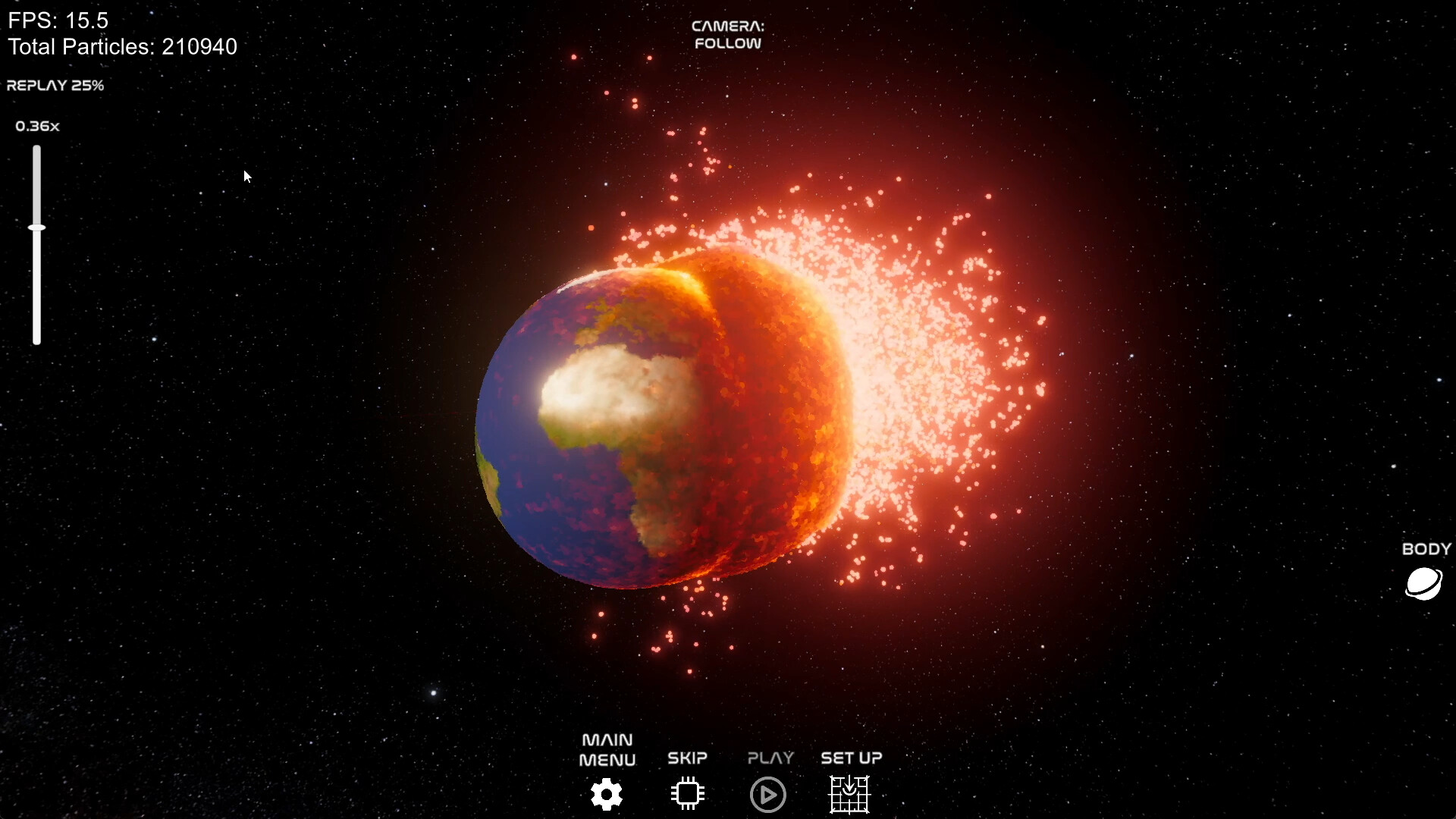
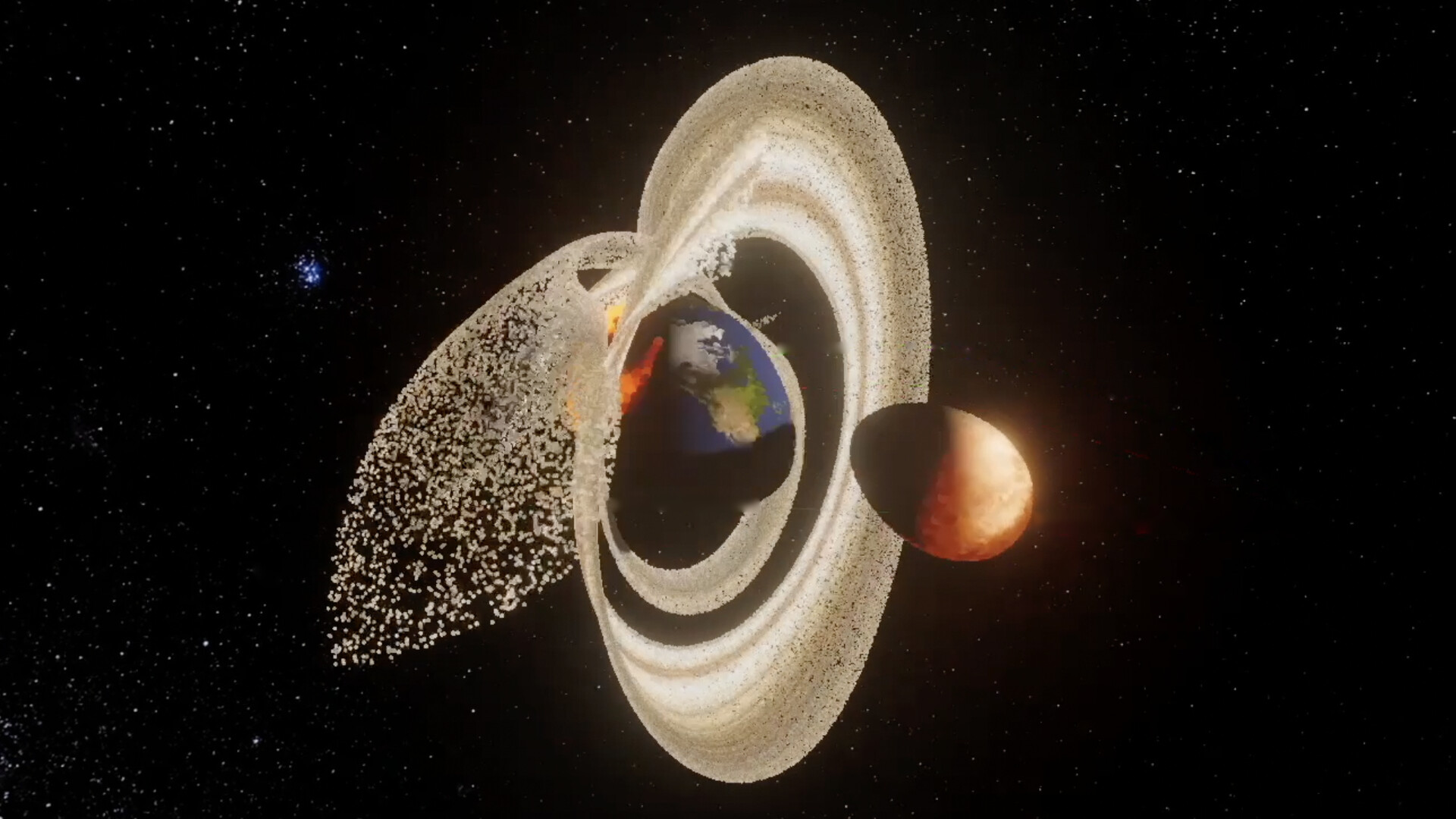

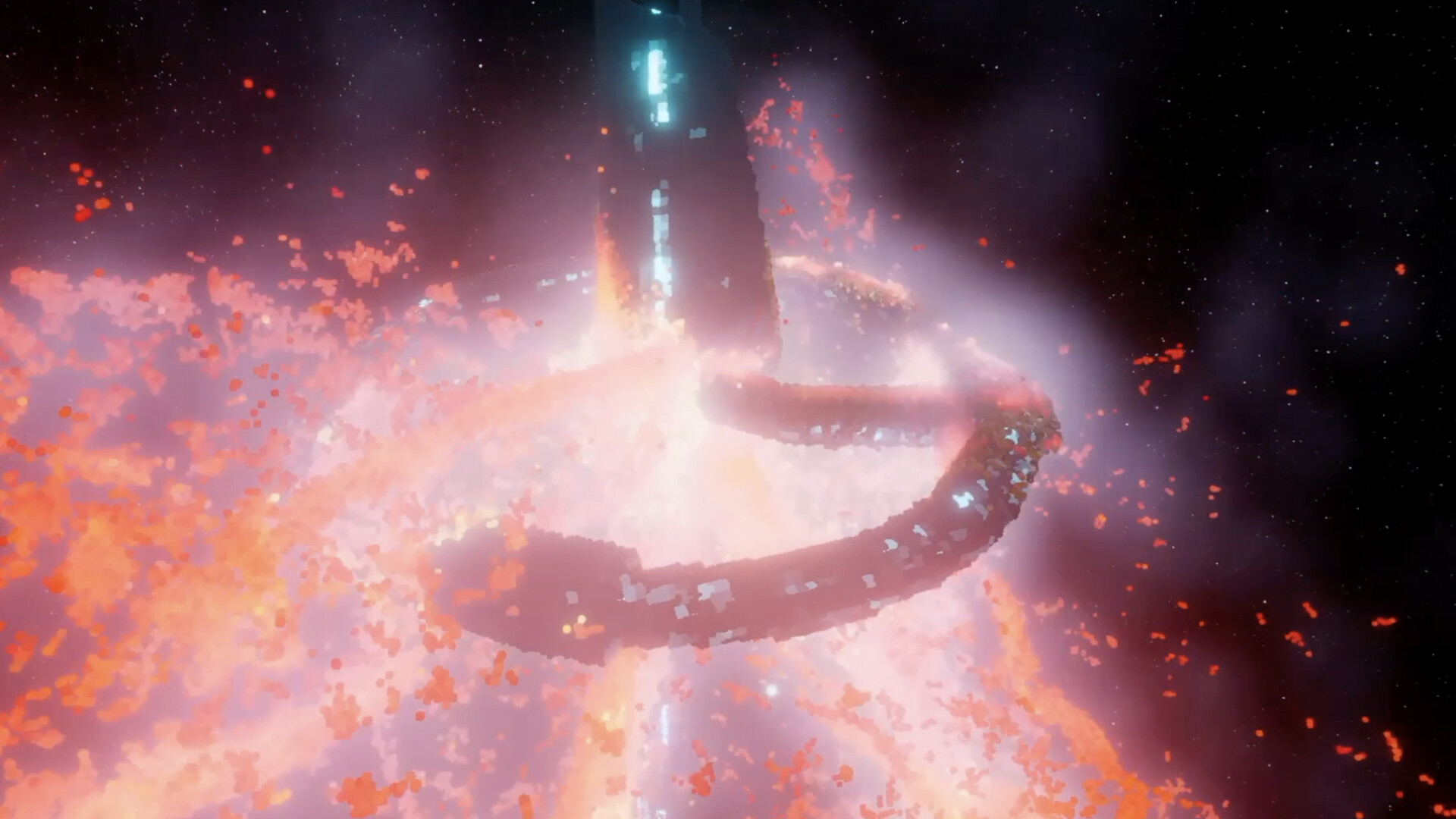
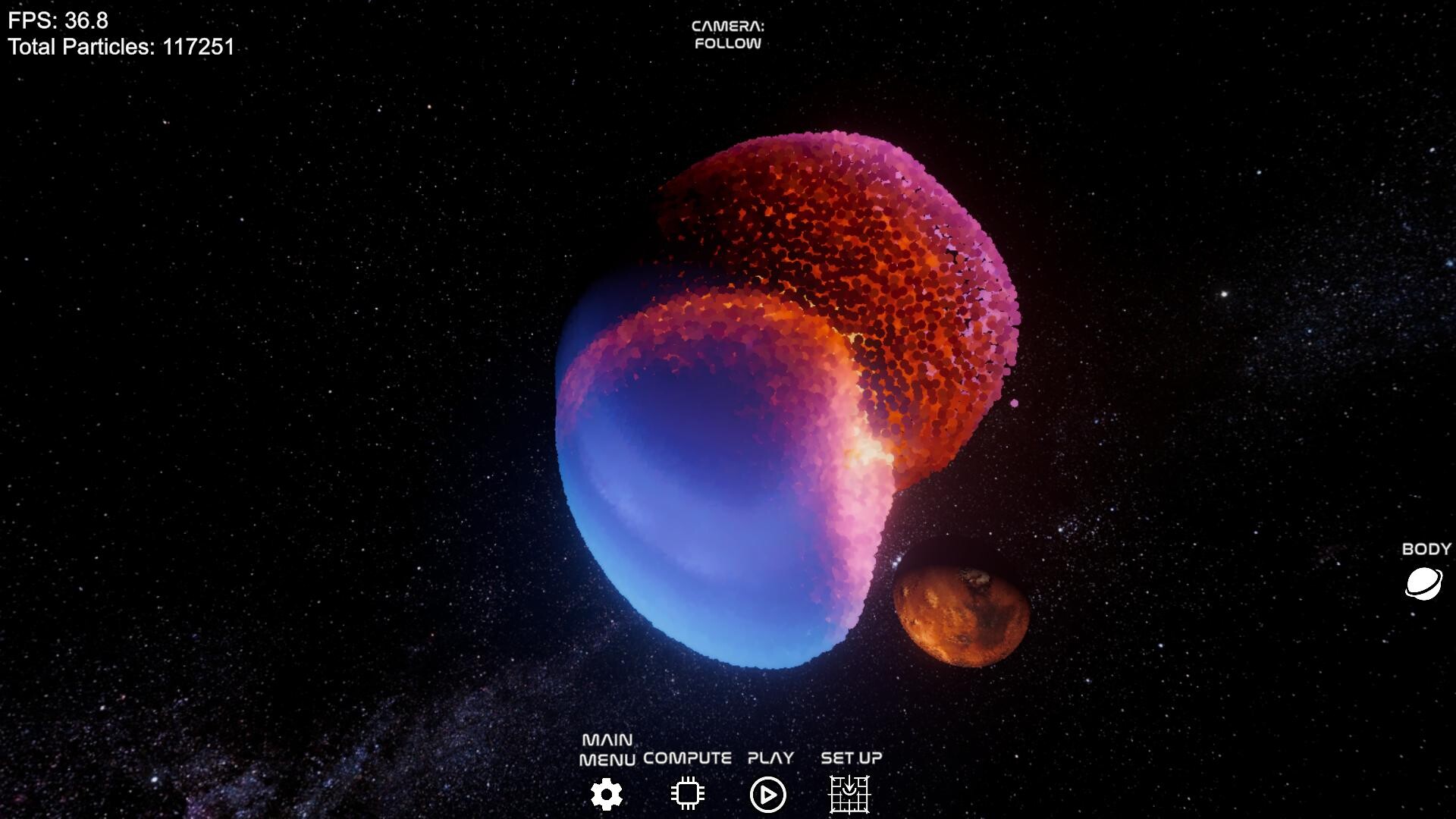

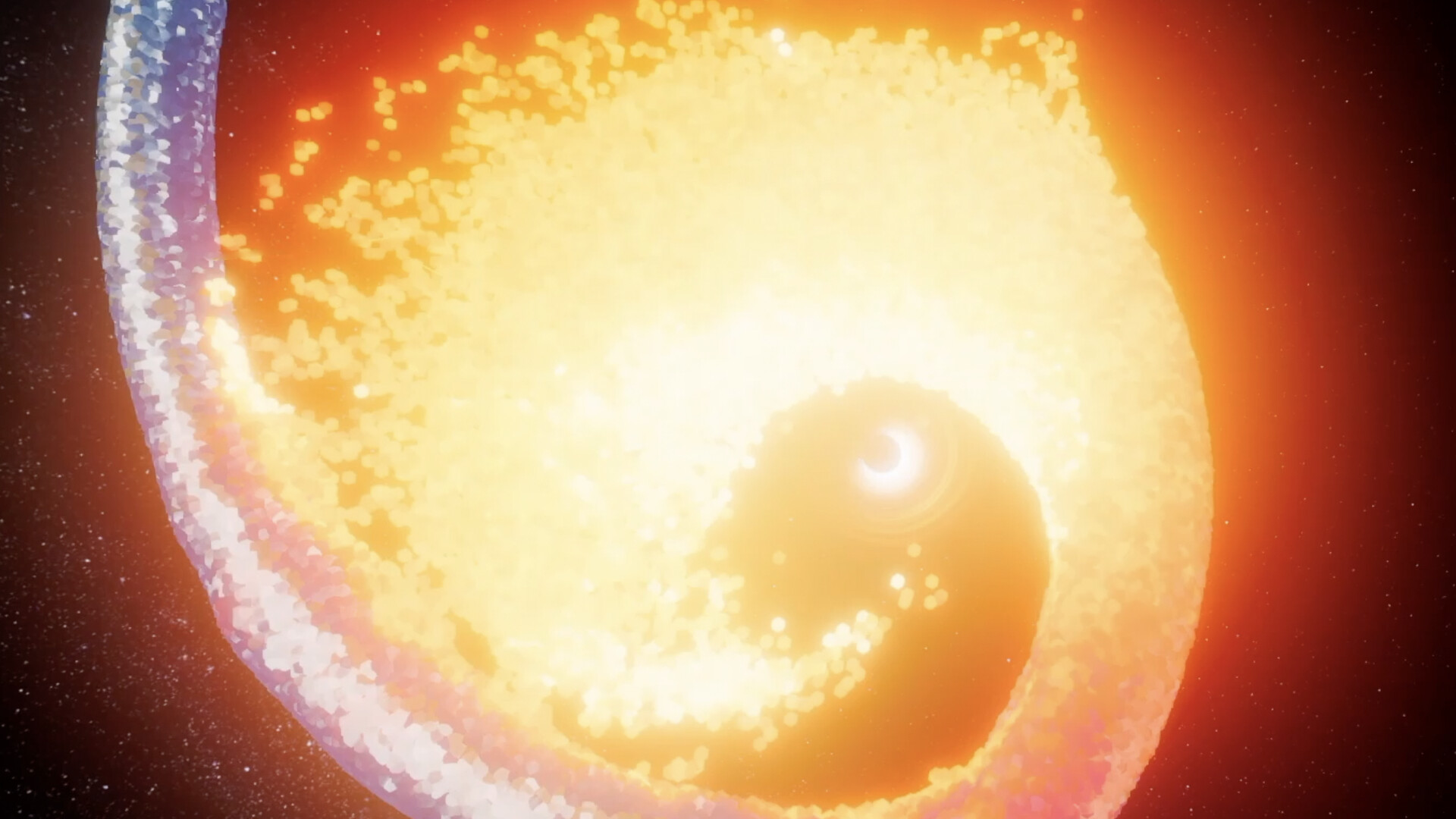
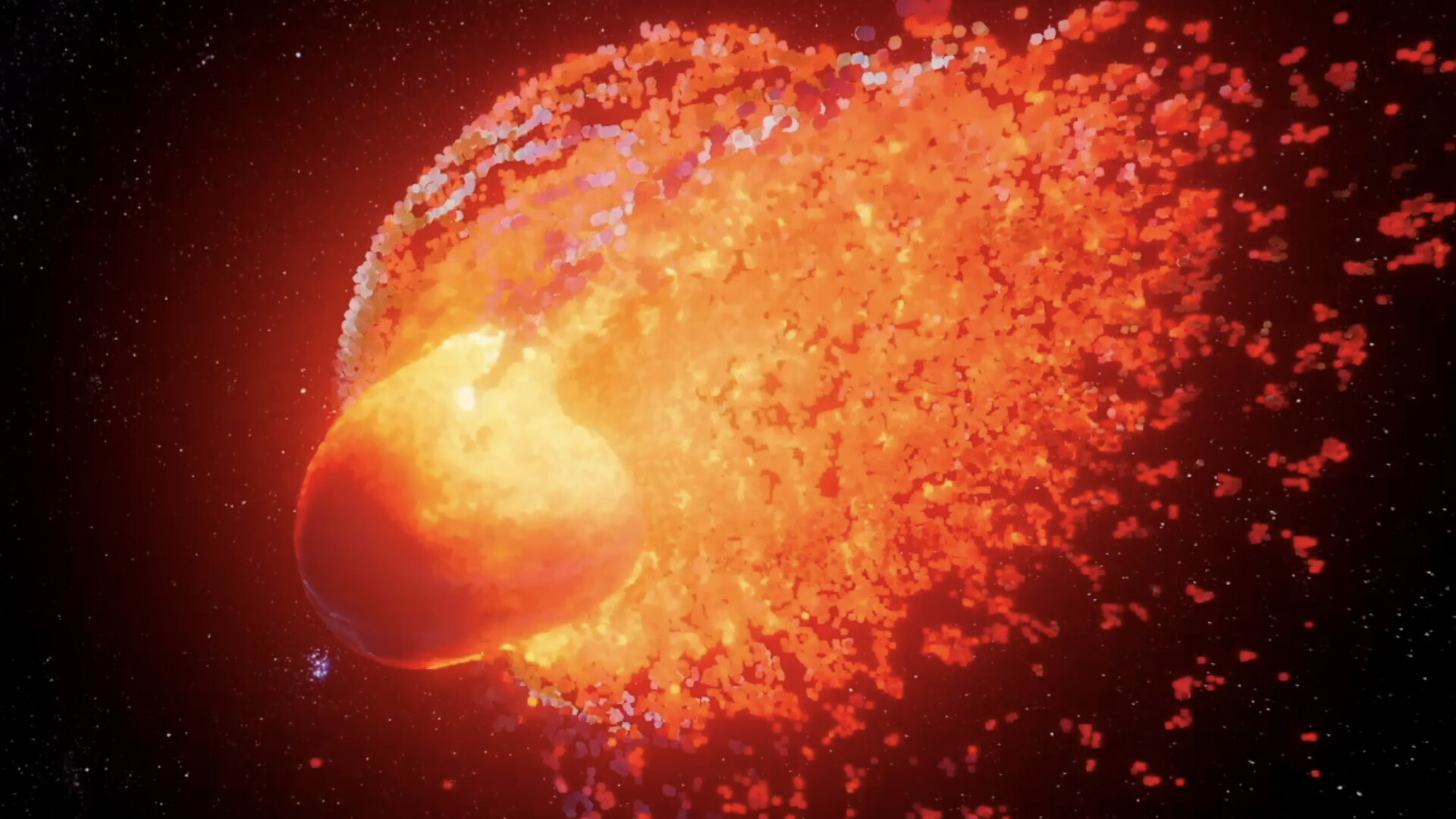
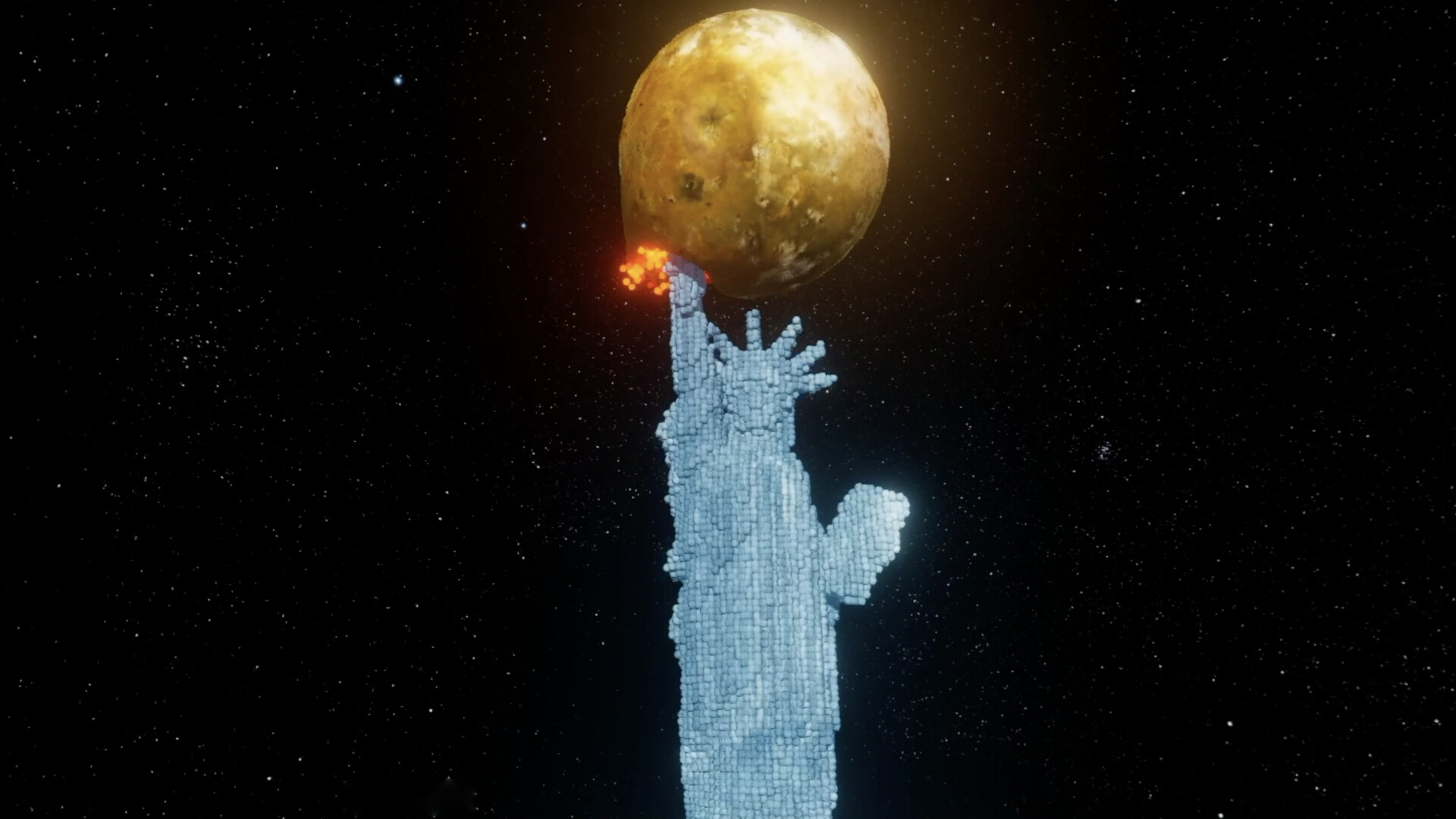
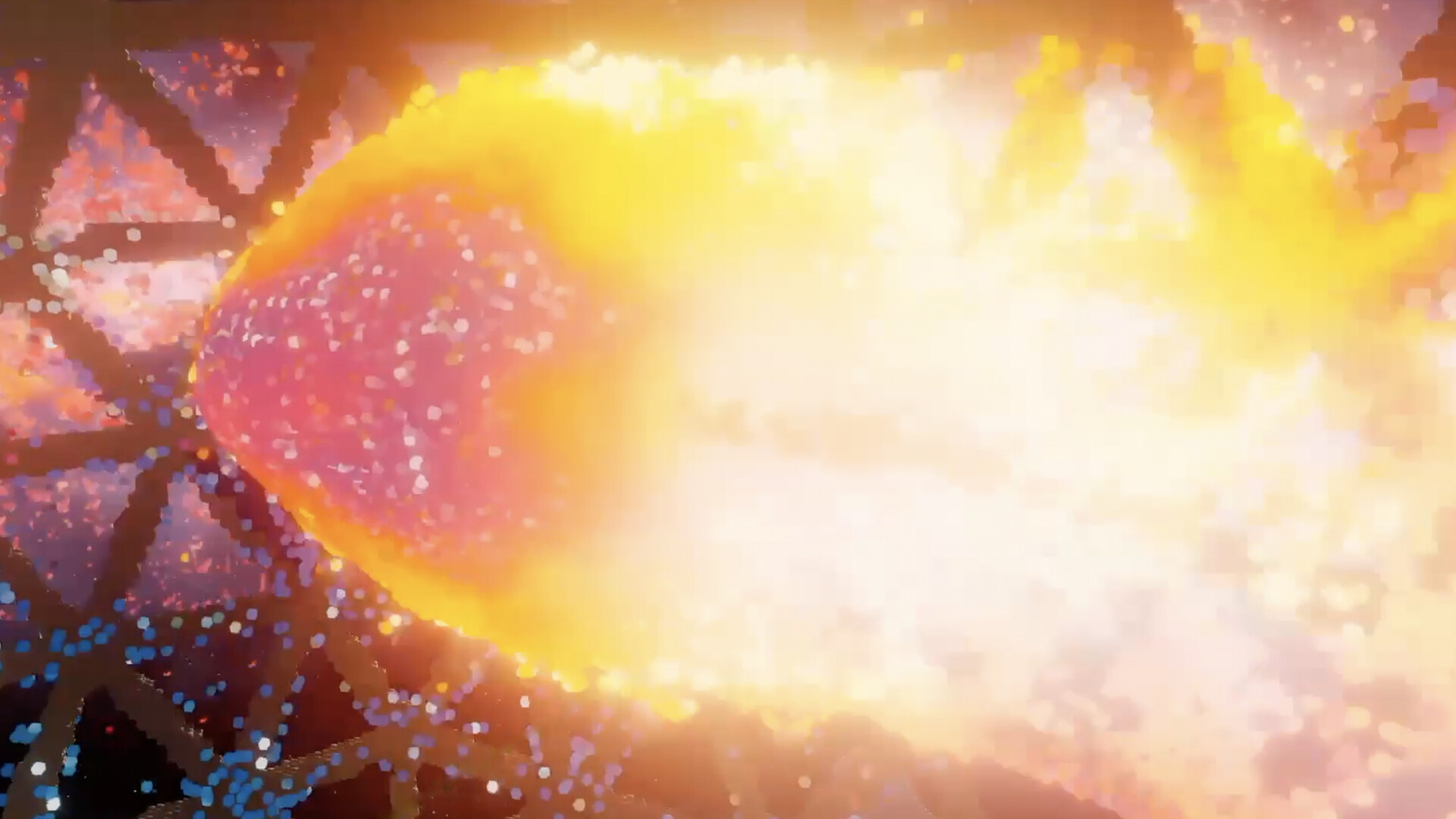
Real-time planetary collision sandbox powered by SPH physics: smash planets together and watch the destruction and its aftermath!
Released
November 26, 2025
Price
Platforms
macOS · Windows
Developer
Publisher
Last sync
October 7, 2026
Collide planets built from a million interacting particles.
Space Crash Simulator is a real-time planetary collision sandbox built on GPU-accelerated Smoothed Particle Hydrodynamics — the same class of method used in scientific impact simulation. Every planet, star, and fragment is made of individual particles that attract, compress, melt, and break apart under the forces you set up. Nothing is scripted: fragmentation, shock fronts, tidal stretching, moon formation and accretion all emerge from the equations.
There are no missions and no objectives. You set the initial conditions, press play, and watch what physics does with them.
Scale
Build the bodies
Control the physics
Simulation modes
What this is, and isn't
Space Crash Simulator is an open-ended physics tool for people interested in astrophysics, orbital mechanics, impact dynamics, and scientific visualization, or anyone who wants to build a scenario and watch it play out. There is no storyline, no progression system, and no competitive mechanics. The focus is entirely on constructing situations, adjusting parameters, and observing the physical behaviour that follows.