#Action #3D #Action-Adventure
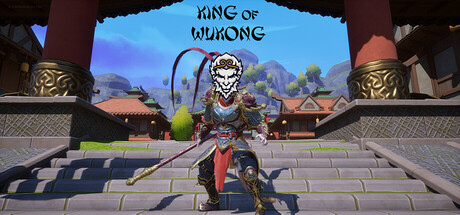
King of Wukong
In your absence, the enemy king has taken over the entire country. He awaits you for the final duel. To return everything to its former state, you need to travel back in time.
View game
$9.99
 -10%
-10% No Reviews · 0 reviews
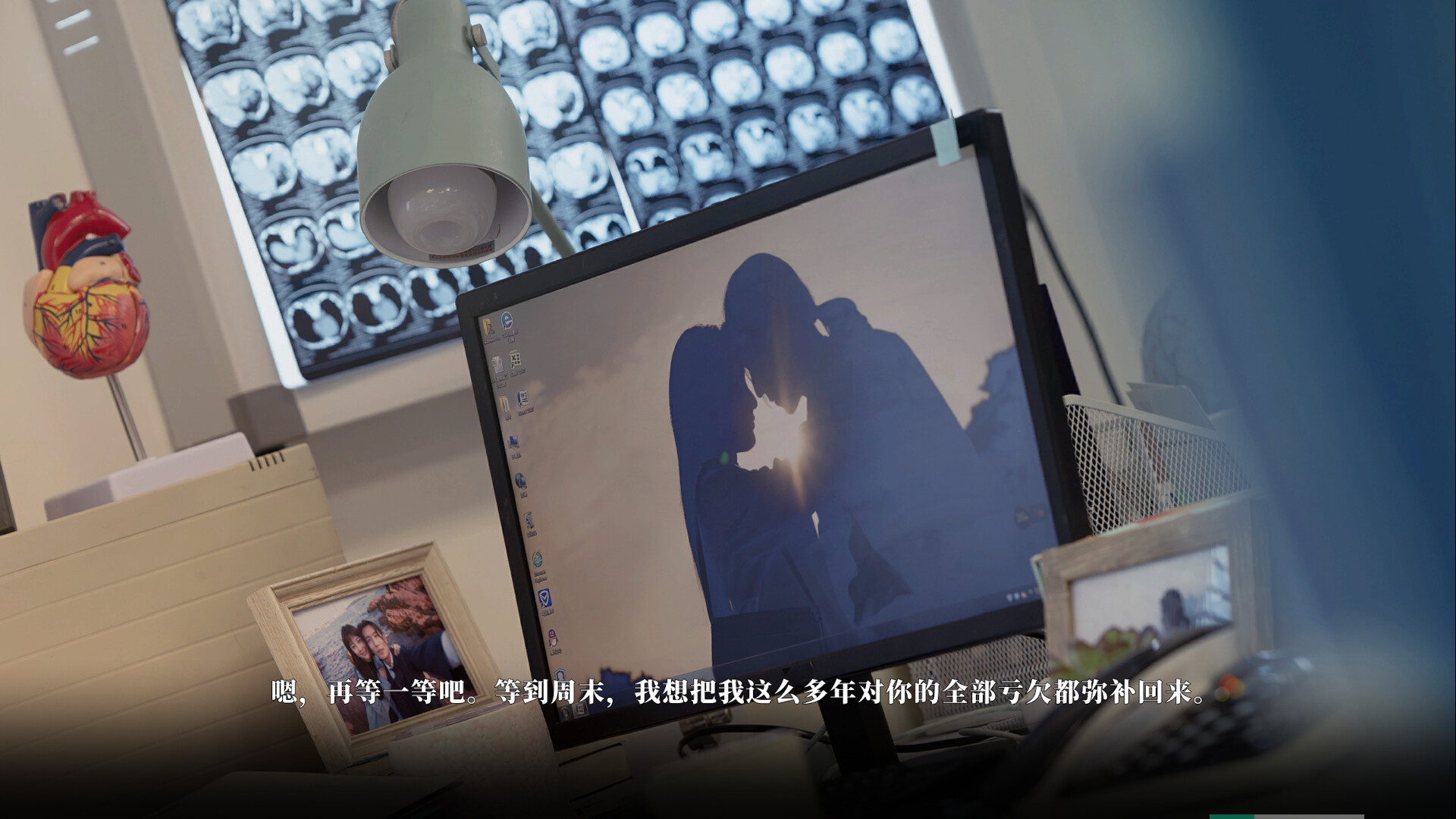
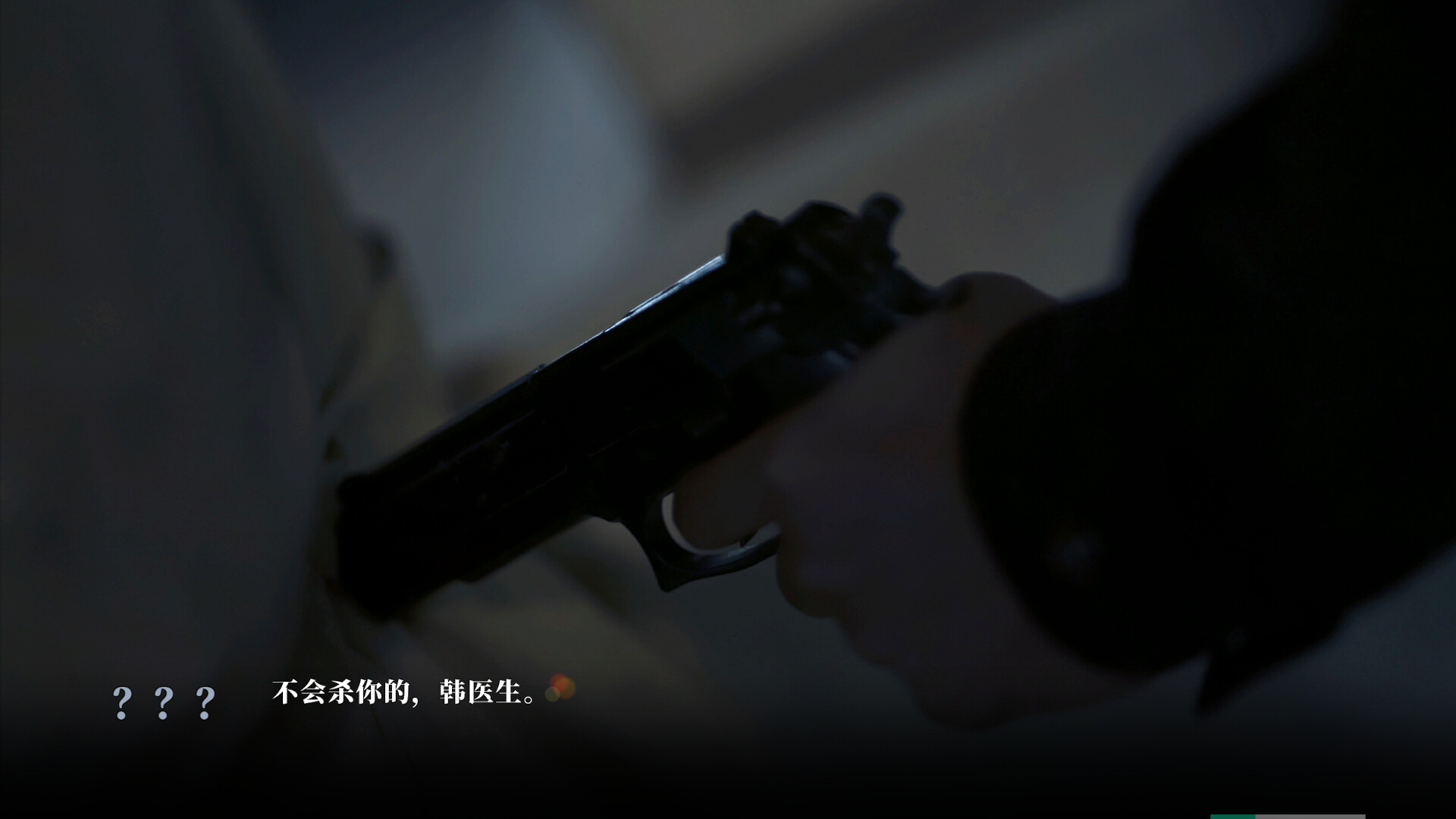
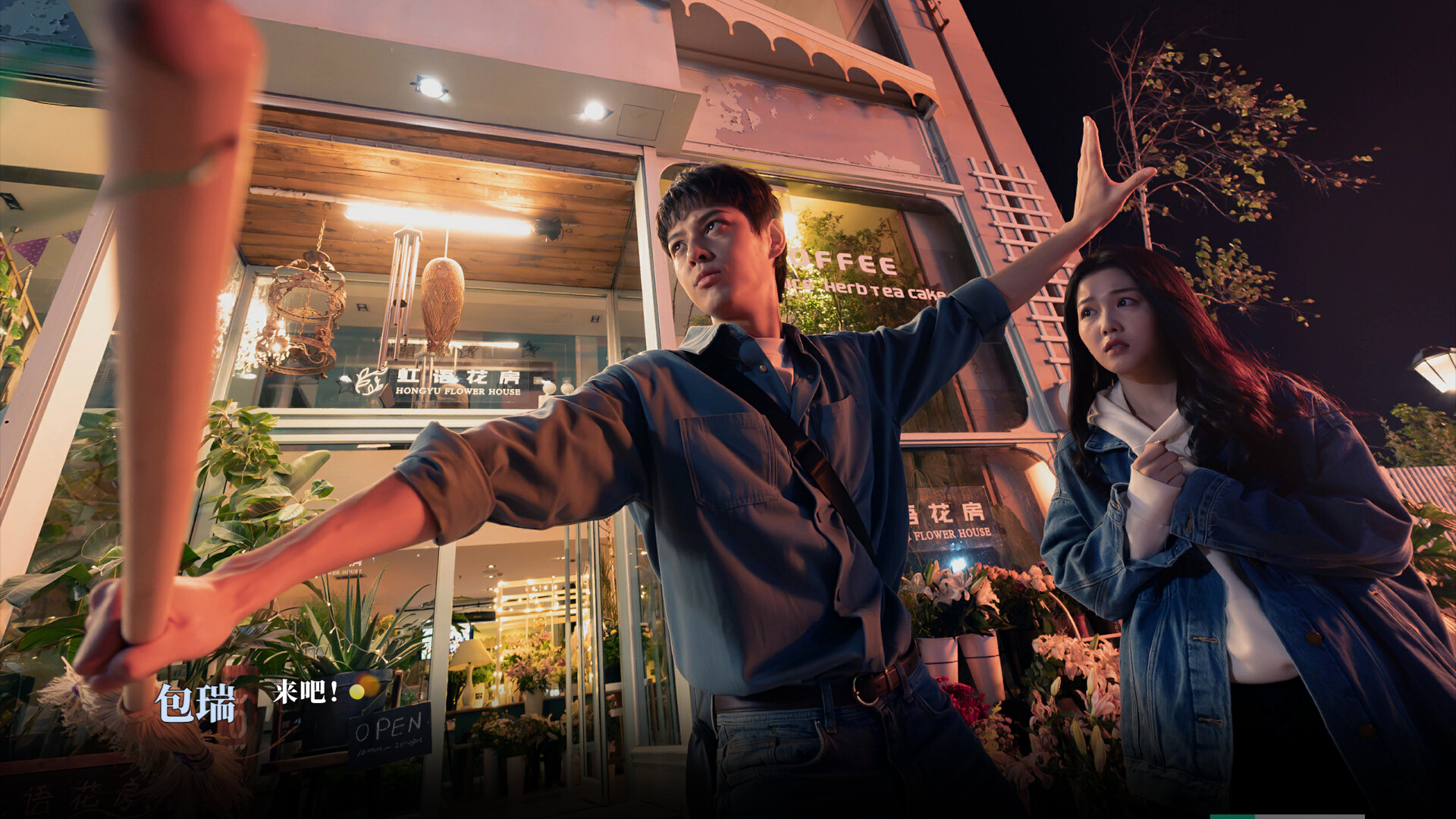

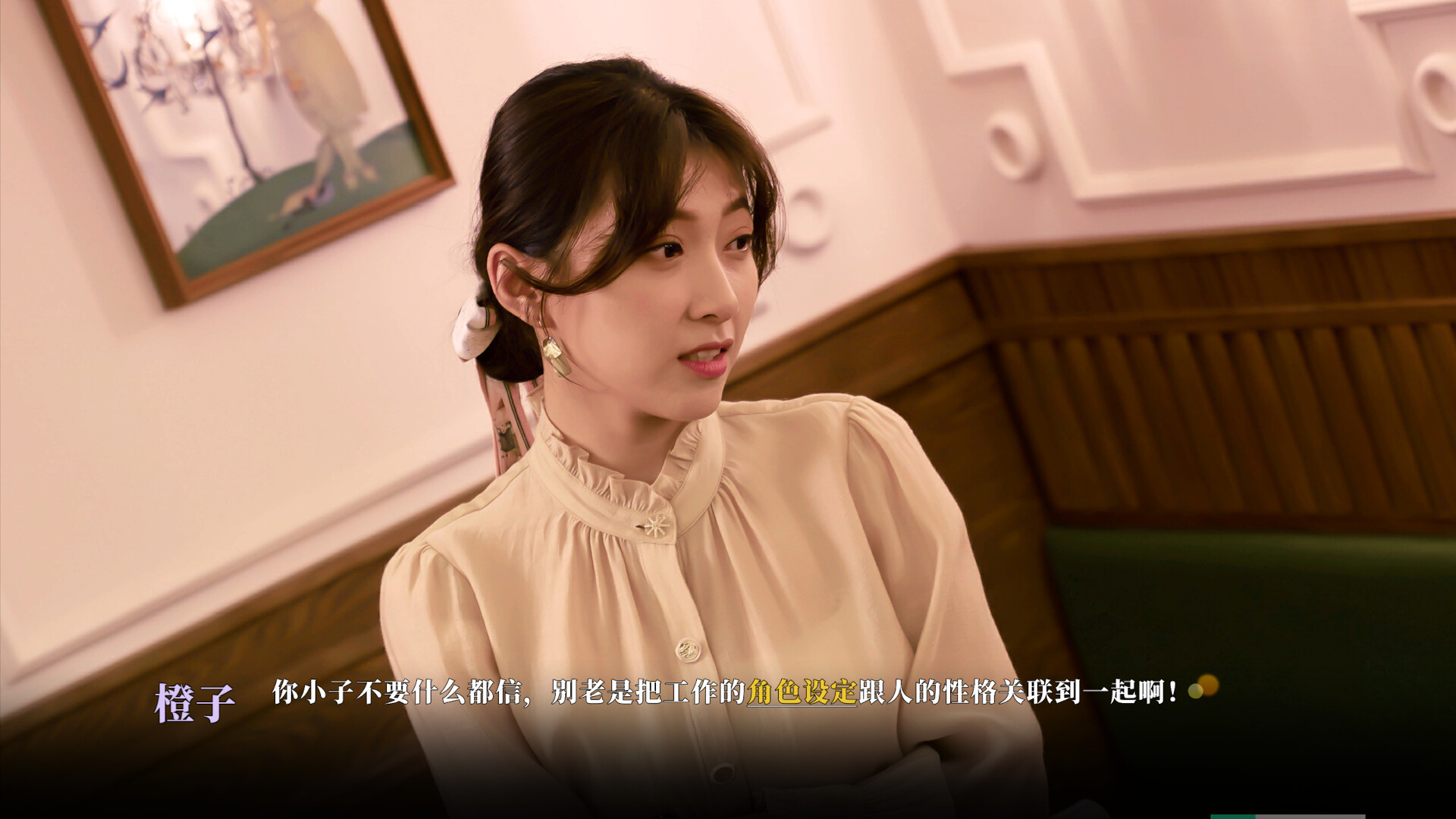

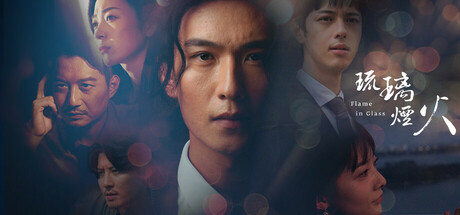
他期待着事业的成果,她期待着追逐的爱情,她期待能给身边的人们带来笑容,他期待能成为故事的主角,他们生活的这座城市期待着海啸后的痊愈……可是,一场突如其来的爆炸扰乱了这一切。烟火暗淡,琉璃蒙尘,他们所期待的,能够实现吗?
Released
September 24, 2026
Price
Platforms
macOS · Windows
Developer
Publisher
Last sync
October 3, 2026
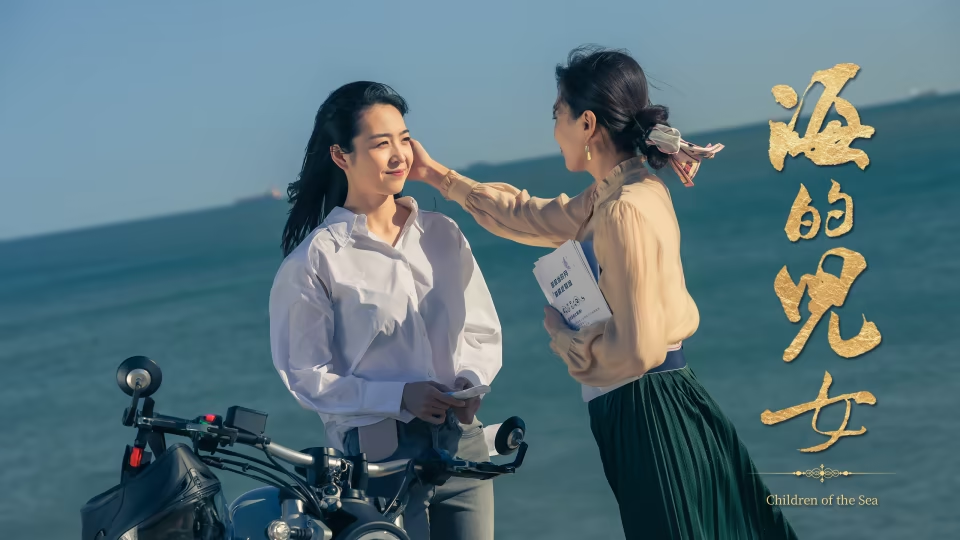
The sea can nurture a city. It can also destroy one.
As Yiqing City struggles to rebuild after more than half of it was devastated by a tsunami, a sudden bombing casts yet another shadow over its people. Through it all, the sons and daughters of this city—washed, battered, and tempered by the sea—come together to write a story of sorrow, courage, and hope.
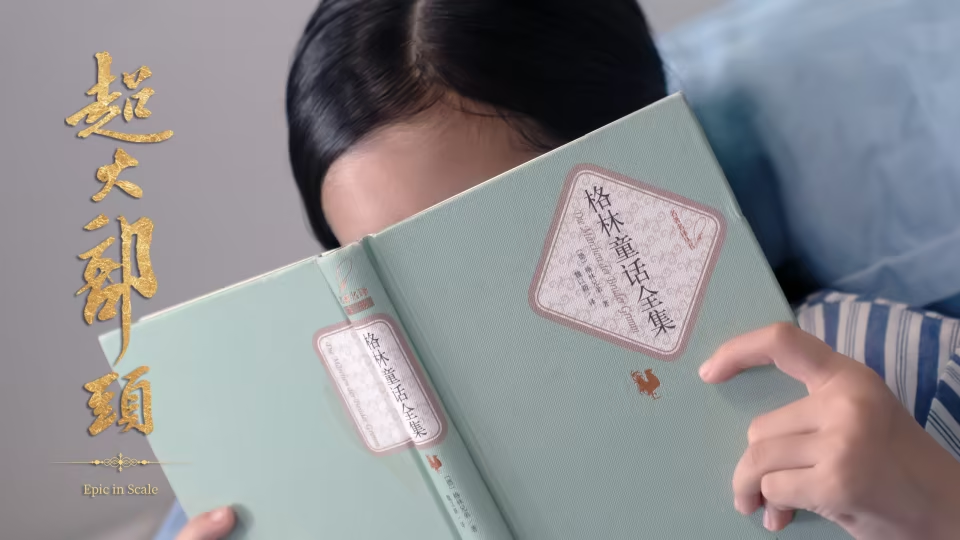
Four to five years spent polishing the script. One month living with the film crew. More than a hundred thousand production stills left behind when filming was over.
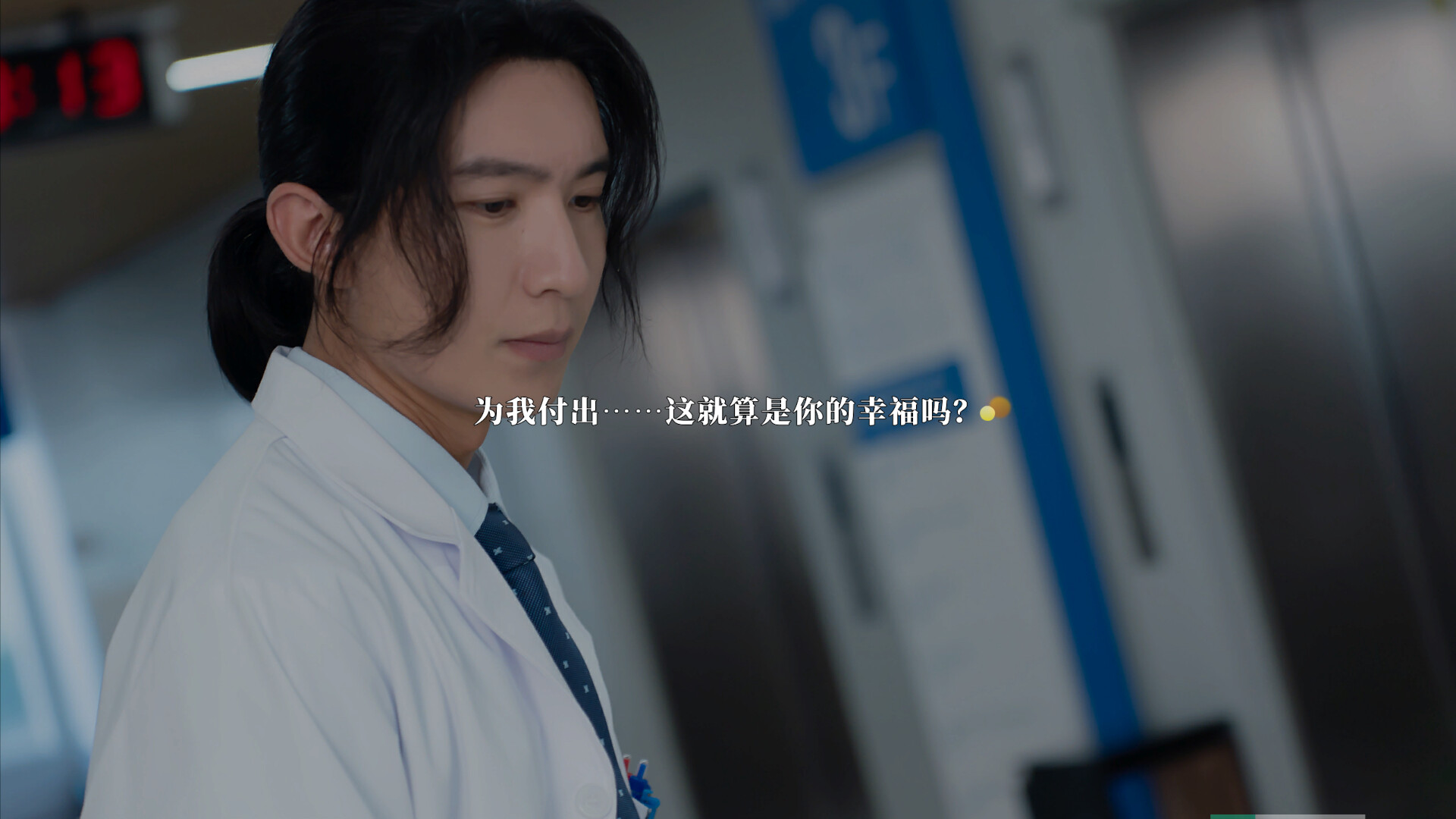
From them, we selected OVER TEN THOUSAND IMAGES to tell a story of roughly 600,000 CHINESE CHARACTERS. If you listen to the voiced dialogue without fast-forwarding, the complete game is expected to take around 35–40 HOURS.

“How much will it take to finish the shoot?”
“Ten million yuan.”
“I… I’ll sell my house.”
And that is more or less what happened.
With no outside investment whatsoever, the production was kept alive through selling a home, personal debt, company loans, and support from friends. Somehow, it became a production on the scale of RMB 10 million.
The upside is simple: no investor gets to tell us what to do. No one gets to restrain the story. We are free to put everything we have into making the best version of it that exists in our heads.
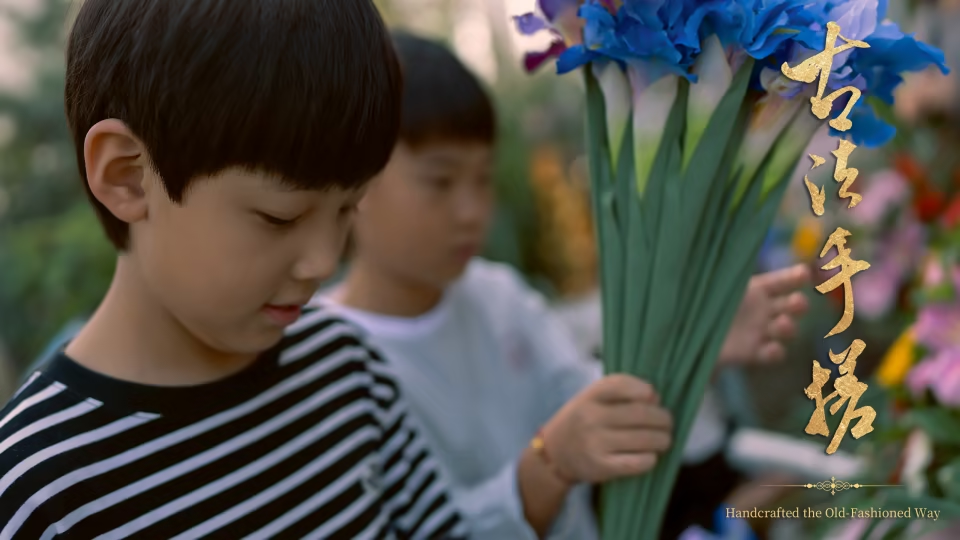
This project was first conceived nearly ten years ago, long before live-action interactive games became as common as they are today. So naturally, we chose an older way of telling this story.
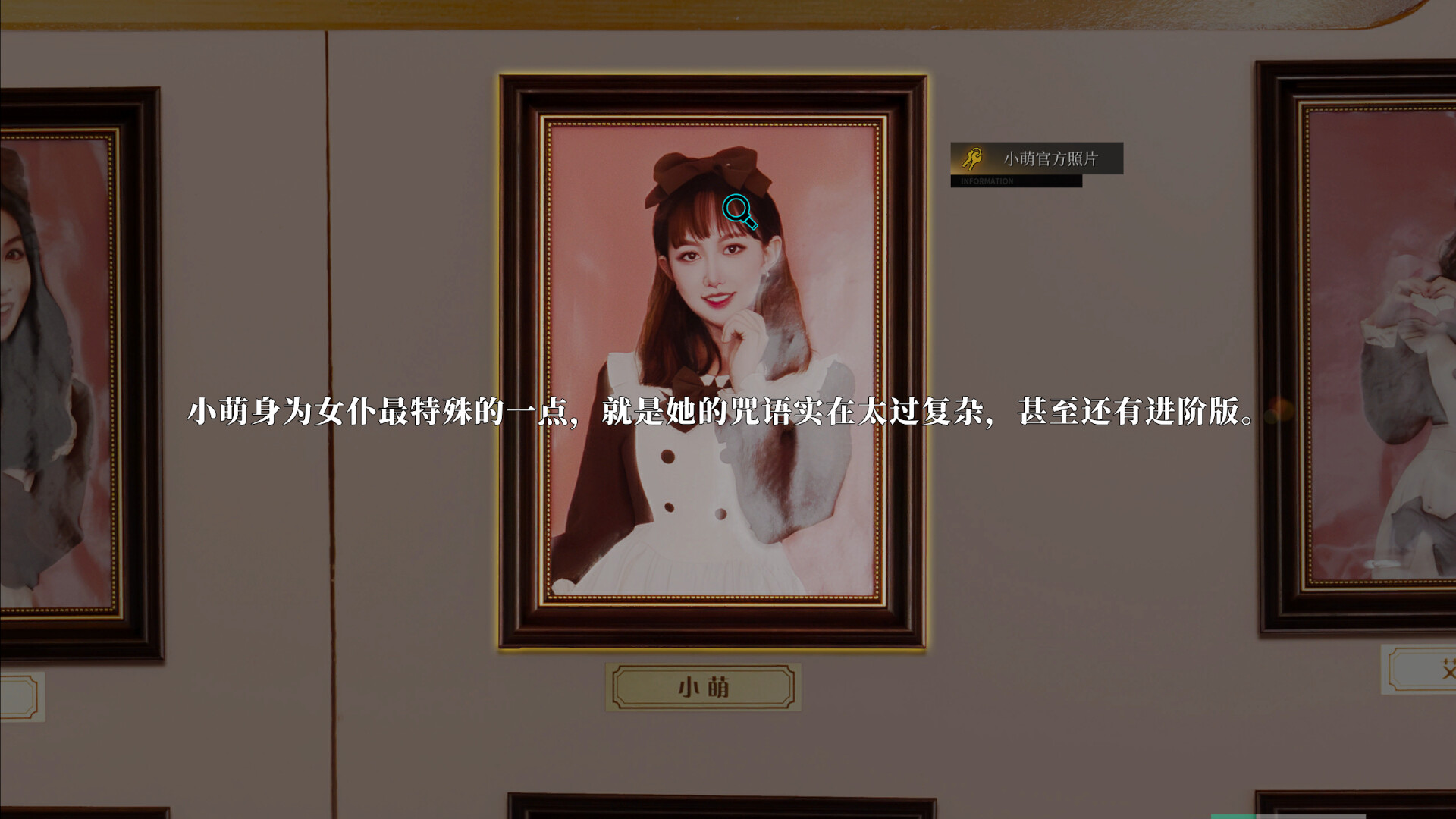
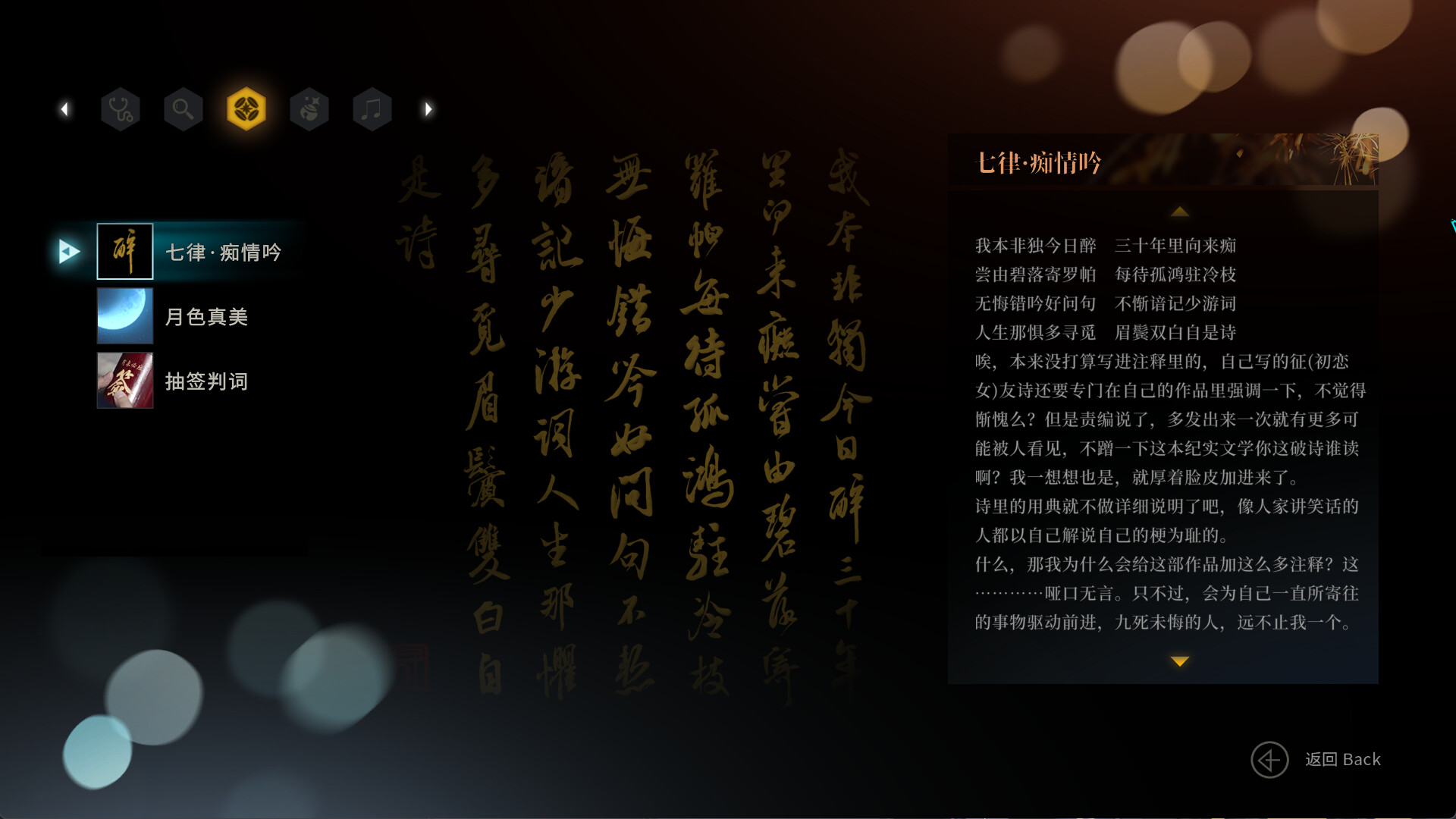
As a traditional visual novel, it is simpler in form—and vastly more laborious to make. Every image has to be chosen with care and placed at exactly the right point in the text. But in return, the rhythm of reading belongs entirely to the player. You decide when to linger, when to move on, and how quickly the story unfolds.
That freedom is one of the reasons we love this form.
As the sole writer of the script and the person overseeing the entire shoot, I personally go through well over a hundred thousand stills, selecting the right image one by one and matching each moment with the right sound, so that every scene can be presented as precisely as possible.
Whether you are an old friend who has loved traditional visual novels for years, or someone who discovered this kind of storytelling through the recent rise of interactive live-action games, you are welcome to experience a large-scale production built with an old-fashioned craft.
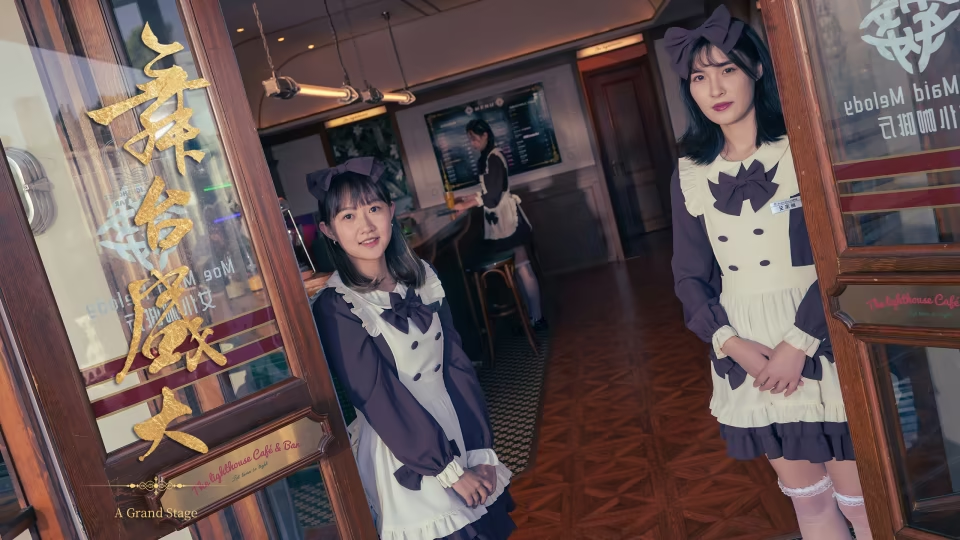
This is not a chamber drama confined to a handful of interiors.
During our month-long shoot, the entire crew moved constantly, filming at dozens of locations throughout the city. There are all kinds of interior scenes, but also a great many outdoor sequences. We dodged typhoons and torrential rain, and on overcast days we sometimes waited for the few fleeting seconds when sunlight finally broke through.
And later chapters still have a certain secret weapon—■■■—waiting in reserve.
The scale, sweep, and emotional force of the finished work are only possible because it stands upon such a large and varied stage.
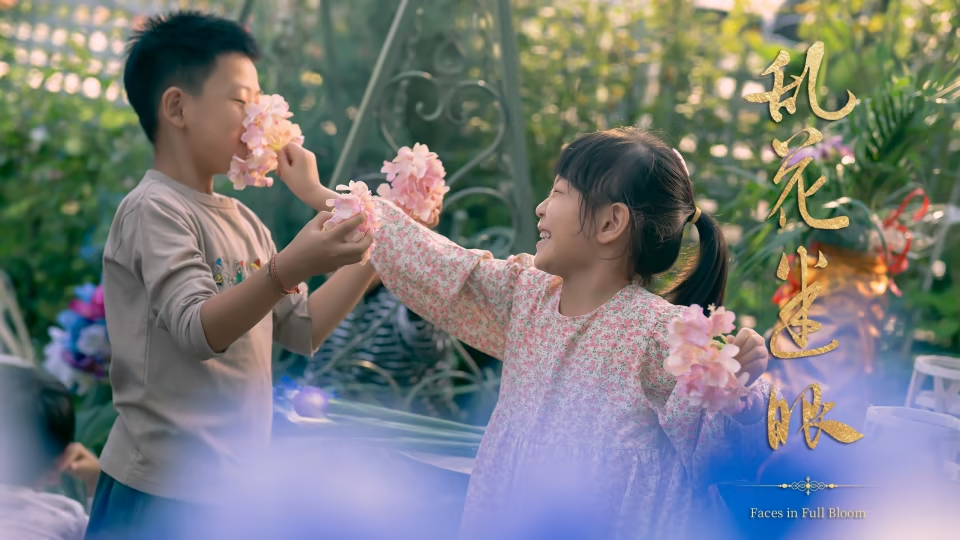
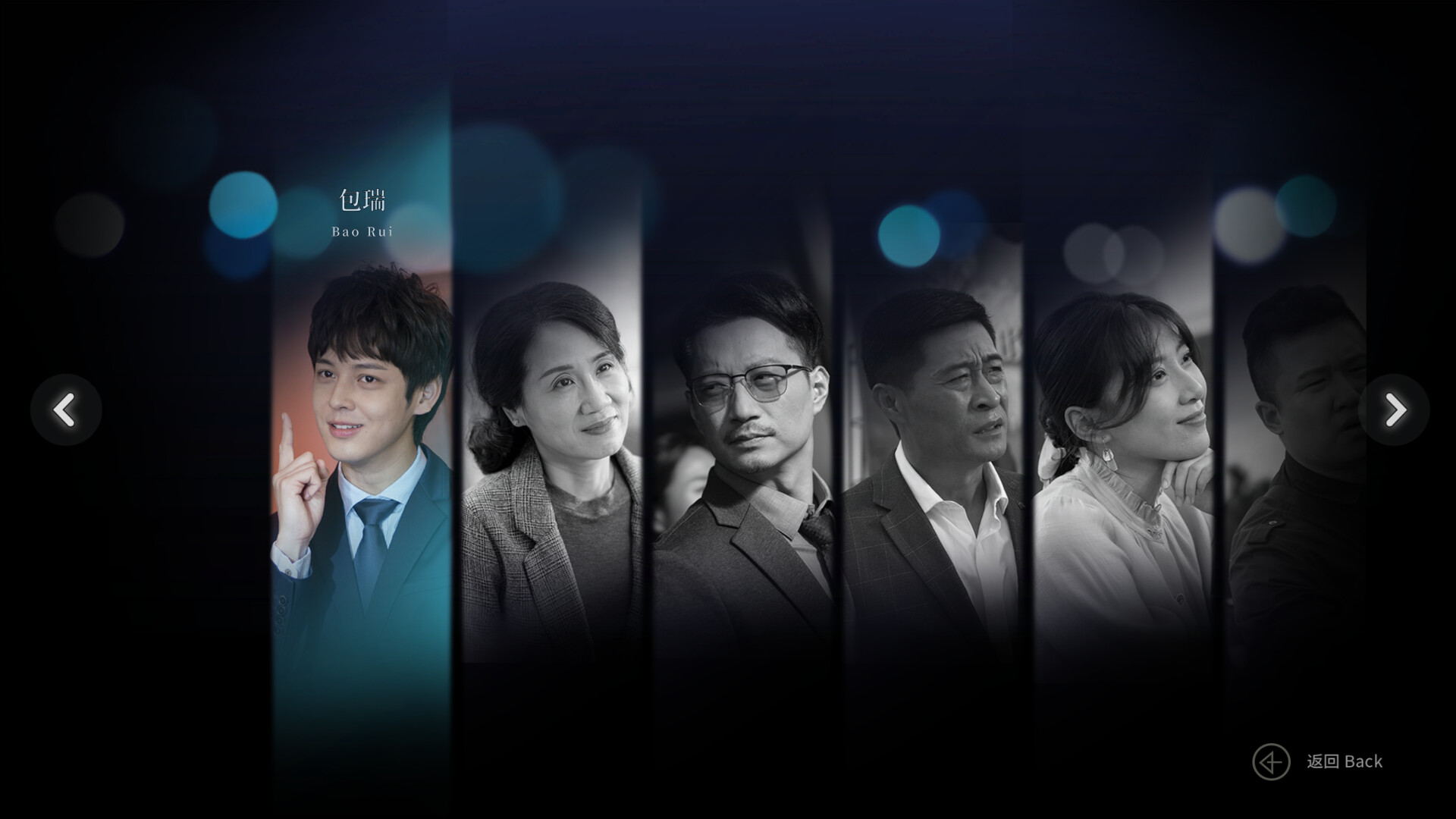
The story contains FORTY TO FIFTY NAMED CHARACTERS.
Each is a different color, and together they form a brilliant scroll depicting the city of Yiqing.
Some are mature; others inexperienced. Some are optimistic; others weighed down by life. Some are simple and pure; others deeply complicated.
Among them, there will almost certainly be someone you come to love—and someone in whom you recognize a part of yourself.
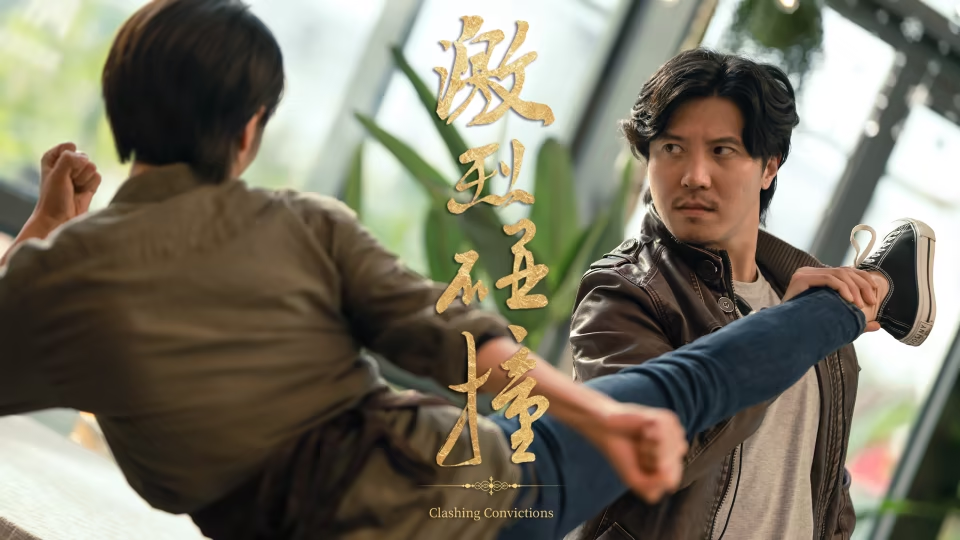
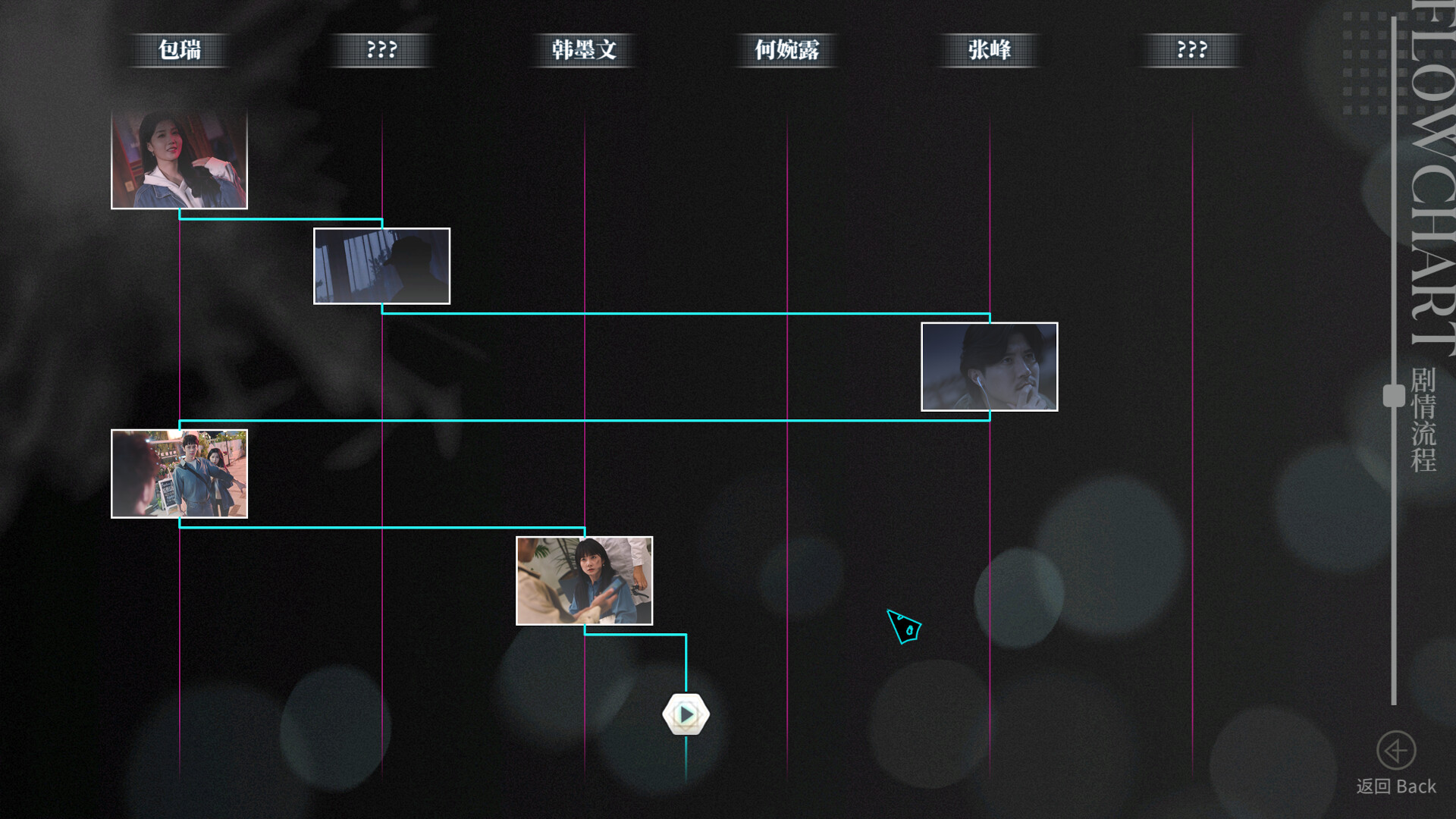
The story begins from the separate perspectives of several protagonists. As events progress, those viewpoints gradually cross, intertwine, and converge.
Different people carry different beliefs, different priorities, and different ways of acting. Fierce clashes are inevitable.
And the sparks thrown off by those collisions are the most colorful fireworks of all—fireworks that glitter like liuli, colored glass in the light.
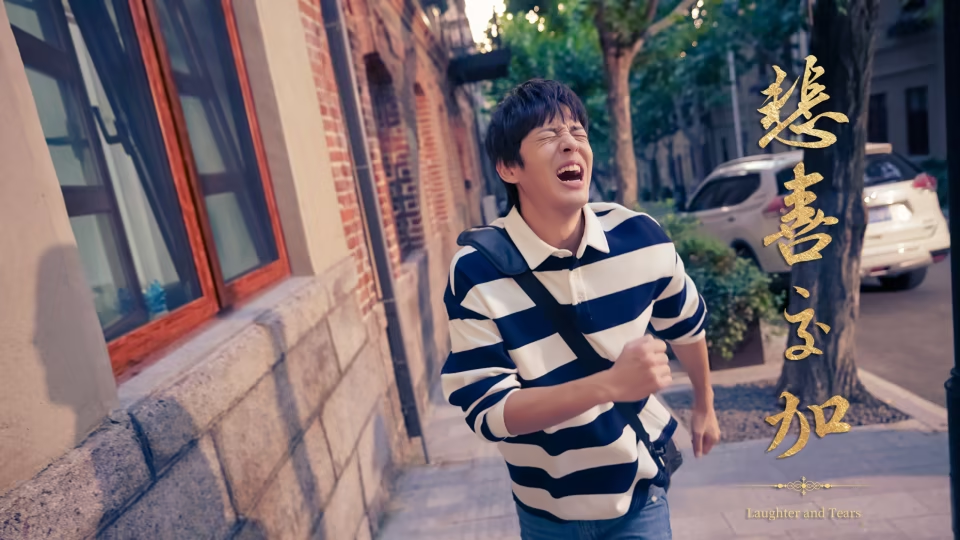
Mystery. Passion. Comedy. Tragedy.
Stories of radically different tones shift back and forth as the viewpoint changes.
Follow these characters and witness the pasts they carry, the present they must confront, and the futures they still hope for. Through them, experience every joy and sorrow, every anger and delight, of the city that raised them.

Once the groundwork of the opening chapters is finally in place, the story suddenly accelerates like a snowball hurtling downhill, then surges forward like a breaking sea.
As the plot rapidly draws together, new clues, new turns, and new developments arrive one after another.
Our hope is that, at its most intense, it becomes the kind of story that makes you forget to breathe.
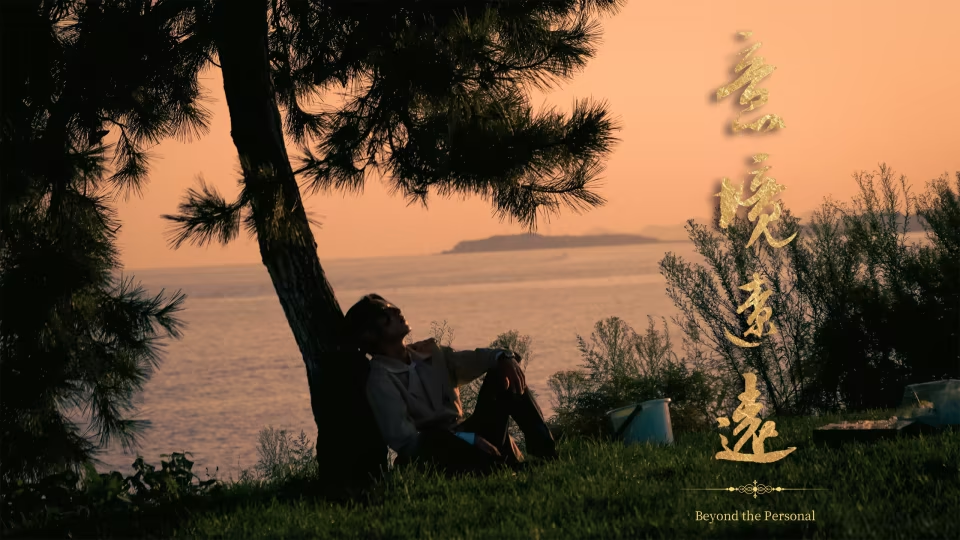
We filled this story with love between people, with private joys and private griefs.
And yet, perhaps presumptuously, we also wanted those small and delicate emotions to reach beyond themselves—to touch an entire era, and to capture something of the world through which we ourselves have lived.
When people face suffering and regret, it is individual courage and the care we offer one another that allow us to keep moving forward together.
That is how people endure.
And that is how a city remains alive.
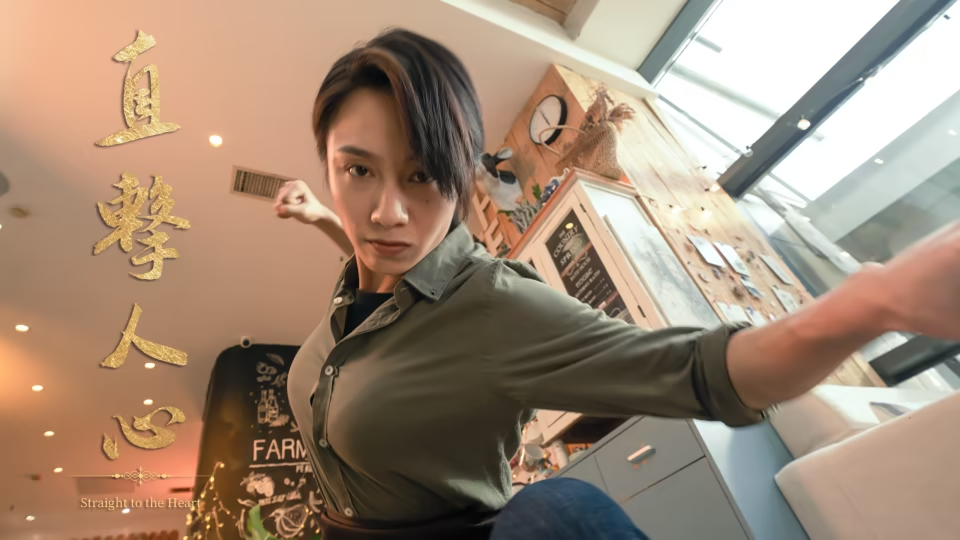
Among the people who have read the story or worked on the game, some laughed at the comedy until they cried. Others simply could not stop crying at its more emotional moments.
(Of course, we assume none of the staff were crying because they had joined a terrible project and permanently ruined their careers.)
Quite a few people have described the experience in similar terms: that something in the story seemed to strike them directly in the heart.
We hope it can do the same to you.
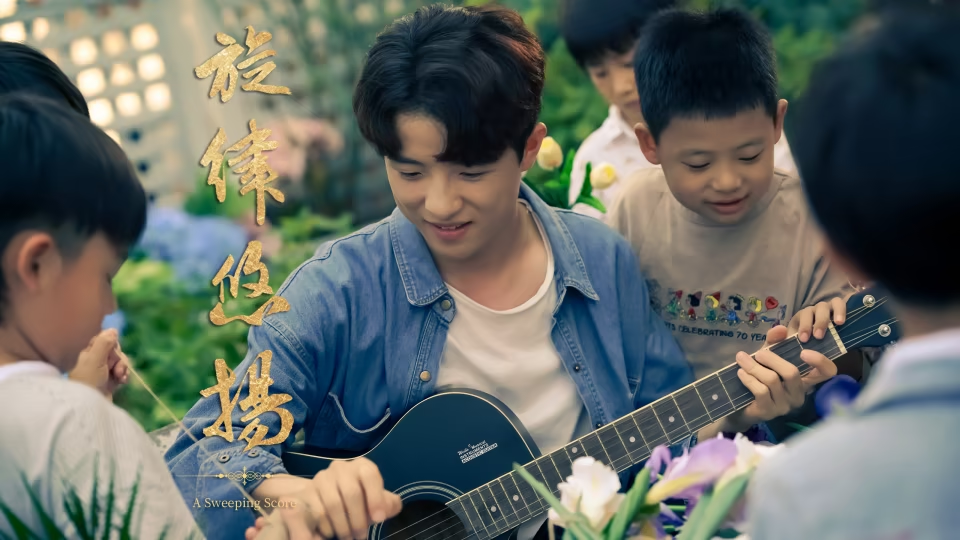
MORE THAN FIFTY INSTRUMENTAL PIECES and another FOUR OF FIVE VOCAL TRACKS form a cinematic-scale original soundtrack designed to give this story a living atmosphere—to make you believe that these events truly happened somewhere in this city.
And even removed entirely from the story, we believe the music is rich enough to lose yourself in on its own.
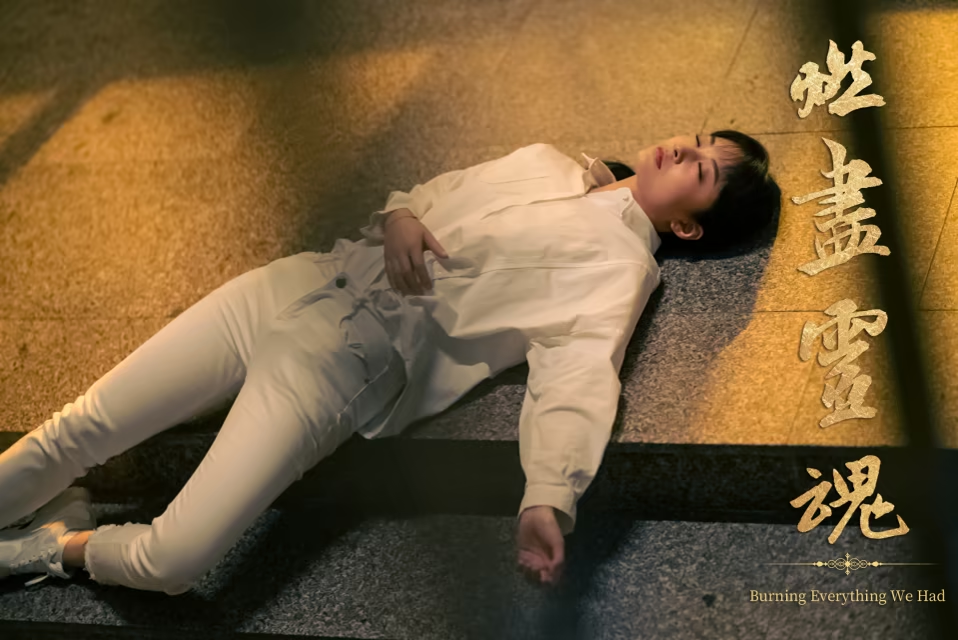
It is difficult to imagine another work being made quite like this one.
The people behind it had accumulated years of industry experience, earned the recognition of respected veterans, and finally found an overwhelming reason to create something of their own.
So we did it without accepting outside investment. We emptied our own pockets. We were helped by countless friends. We faced every kind of difficulty, both practical and personal, carrying a sense of responsibility and obligation all the way through—as though pouring every feeling accumulated over our youth into this single story, and setting the rest of our lives alight to finish it.
Strangely, the experience of making the work began to echo the work itself: facing hardship without surrendering our passion, supported by others, struggling forward together.
That kind of creative experience cannot simply be planned or reproduced. It is something you can only encounter once.
At least, we will never do this to ourselves again. The suffering was far too bitter—and we are no longer as young as we were.
This is the story we completed at the end of our youth.
We hope, sincerely, that it reaches you.